There was a time when flatbread arrived like an afterthought: warm, agreeable, tucked into a basket to keep hands busy while the ‘real’ food took the stage. It was passive, polite. Something to tear, dip, mop up, forget.
Step into a good restaurant now and you’ll feel the shift before you even taste it. Flatbread isn’t waiting in the wings anymore. It’s striding right into the light, wearing bold flavours like jewellery, asking to be noticed.
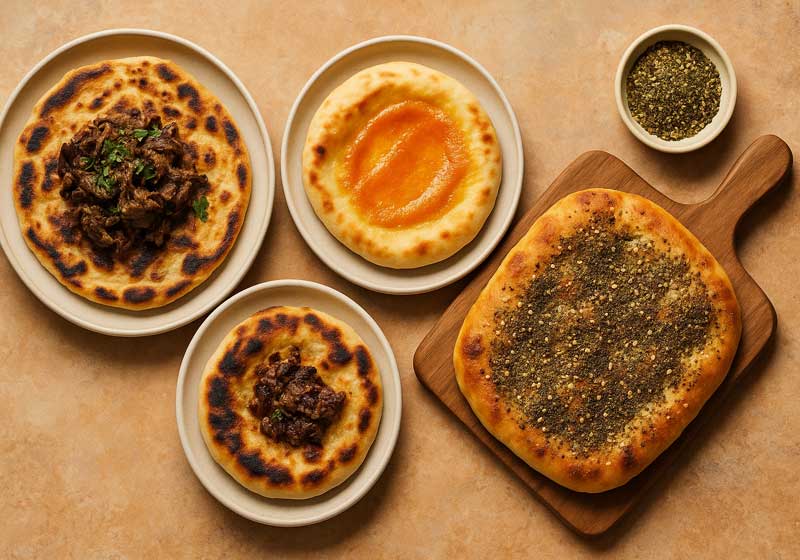
Part of the magic is how flatbread sits at the crossroad of comfort and possibility. It’s ancient and utterly familiar - flour, water, heat, a little salt, a little time - yet it’s endlessly open to reinterpretation. A flatbread can be crisp as a leaf or soft as a pillow, blistered and smoky or tender and yeasty. It absorbs, carries, amplifies. It’s a vehicle, yes, but it’s also a stage.
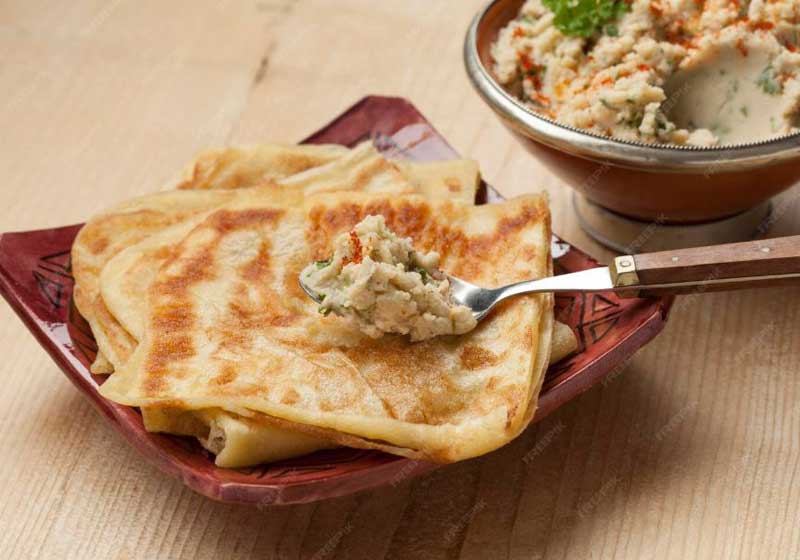
Take a charred Moroccan msemen, for instance - that laminated, pan-fried marvel with its rippled layers and buttery chew. Tomorrow’s version might be swaddled around lamb neck that’s been cooked low and slow until it collapses into itself, rich and dark with cumin, preserved lemon and the sweet bite of caramelised onion.
The bread comes charred at the edges, almost bitter in the best way, to cut through the fatty intensity. You tear into it and the steam smells like spice markets at dusk. The bread isn’t supporting the lamb; it’s in conversation with it, pushing back, insisting on texture and smoke.
Consider Greek pita, the kind that puffs, then collapses into a soft pocket of warmth. Once it was a neutral home for souvlaki. Now it might arrive still hot from the grill, brushed with bottarga butter - oceanic, umami-deep, tinted gold - so the first bite hits like a wave. Salty, briny, silky.
The pita becomes almost luxurious, as though it’s always known it could be more than a wrapper. You don’t fold it around the topping; you let the topping melt into it, the way butter sinks into toast, the way the sea finds every crack in the shore.
Even focaccia is getting a new kind of swagger. Za’atar focaccia, thick and airy, soaked in olive oil that shines on your fingertips. The za’atar blooms under heat - thyme, sesame, sumac - fragrant, tart, nutty, alive. The crust is bronzed and snappy; the crumb is a gentle cloud, full of little tunnels that catch herb oil like hidden treasure. It doesn’t need to be dipped or paired. It’s already complete. A meal and a mood.
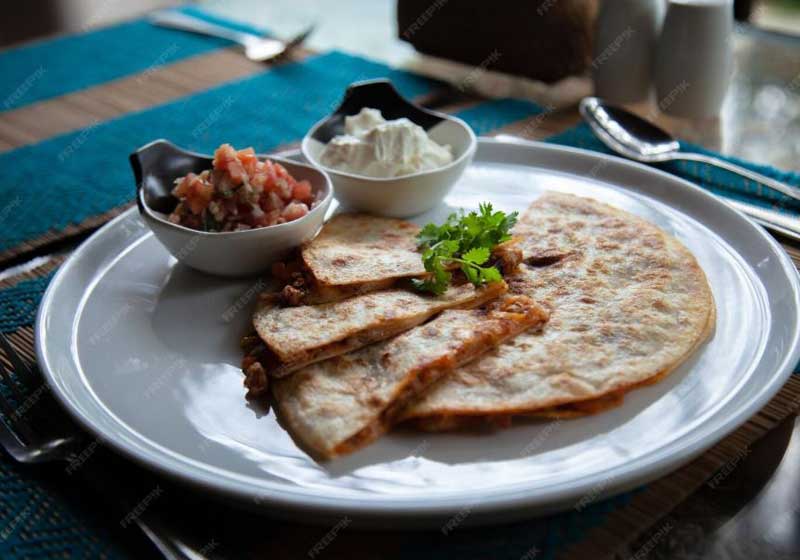
What’s driving this flatbread renaissance is not just technique, but attitude. Chefs are treating bread like a canvas instead of a coaster. They’re leaning into regional stories and personal quirks - borrowing a grandmother’s dough method, then topping it with something audacious.
Flatbread is also wonderfully democratic: it welcomes luxury without requiring it. The same form that cradles caviar can hold charred eggplant and yoghurt, or a riot of roasted vegetables, or a slick of fermented chilli honey. It speaks every dialect of hunger.
Maybe that’s why it feels like a statement now. In a world where plates can be performative, flatbread remains deeply human. It invites hands, sharing, a little mess. It insists on presence. The act of tearing, scooping, folding is intimate, almost primal - you’re not just eating flatbread; you’re participating in it. When something so humble gets elevated, it doesn’t lose its soul. It gains a microphone.
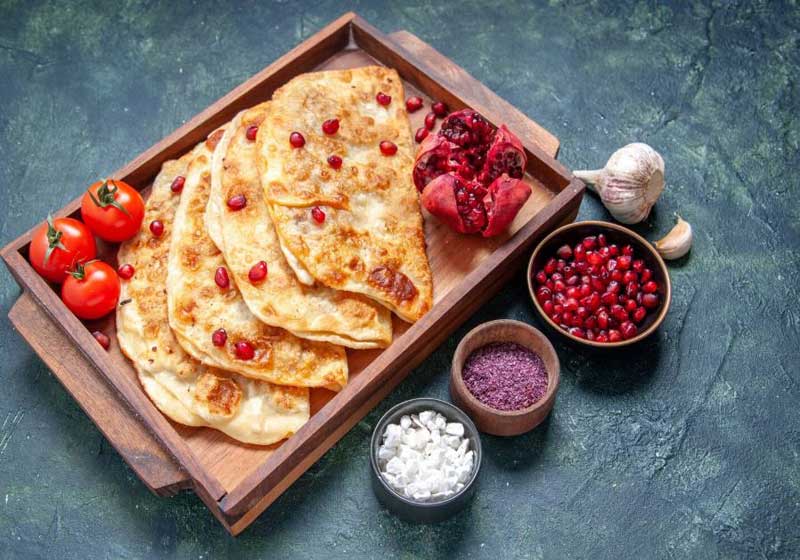
The next time flatbread lands on your table, don’t treat it like background music. Listen. It’s telling you who the kitchen is, where it’s been and how boldly it intends to feed you.