There is a small, pleasing revolution happening in Australian kitchens and it begins with a soft click of metal.
A tin of fish doesn’t announce itself the way a glossy fillet does. It’s quiet, unassuming, almost humble. Yet in 2026, it’s becoming one of the most sophisticated things you can keep in the pantry - a shortcut to Mediterranean flavour that feels both worldly and deeply practical, the kind of ingredient that belongs equally to a sunlit terrace in Cádiz as it does to a breezy verandah in Fremantle.
Mediterranean cooking has always been a cuisine of common sense and great taste: ingredients that travel well, keep well and turn everyday meals into something to linger over.
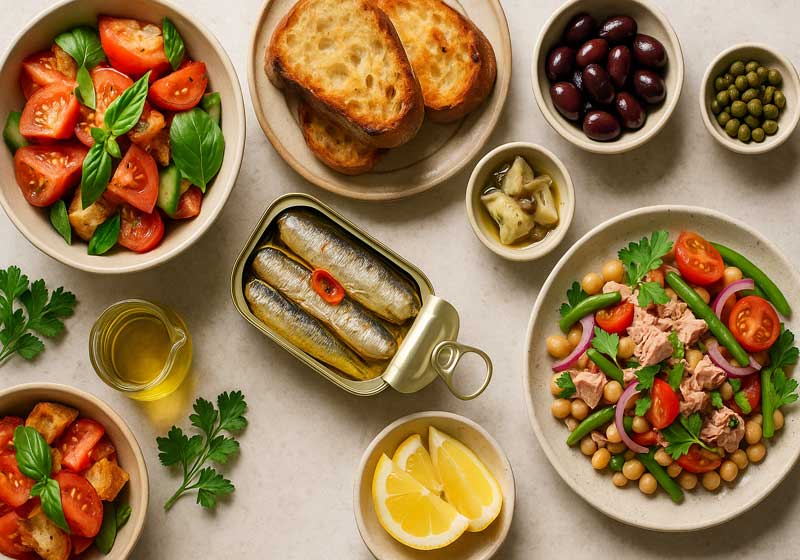
In Australia, we understand that ethos instinctively. Our Summers are long, our produce is loud and bright and our appetite for food that’s social, simple and generous only keeps growing. Tinned fish fits perfectly into that rhythm. It’s ready when you are. It asks only that you treat it kindly.
The tins on shelves now read like little postcards. Sardines pressed into olive oil with lemon and chilli; plump Sicilian tuna that flakes into silk; anchovies so glossy and savoury they melt into sauces like a secret.
These aren’t the dusty ‘emergency proteins’ of old. They’re curated, often regional and proudly expressive. Open one and the smell alone is transport - brine, citrus, pepper, smoke, the faint sweetness of good oil. It’s the sea made tidy. It’s luxury without fuss.
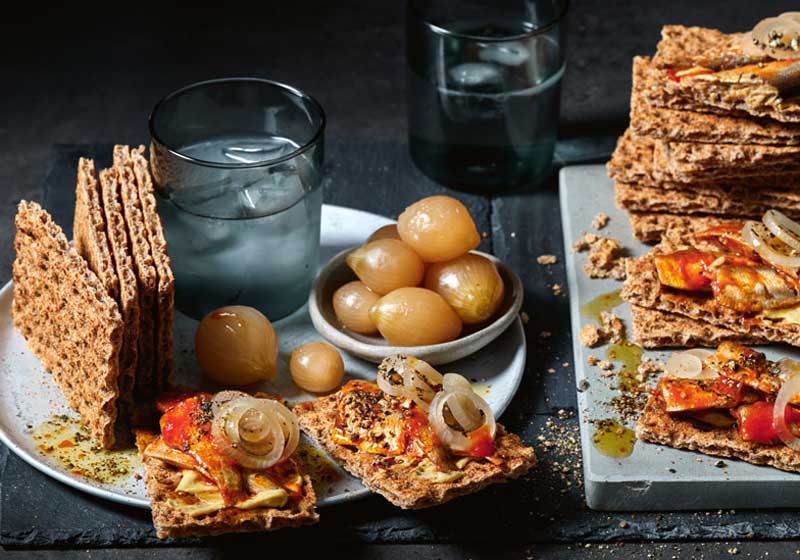
Across Australia, Mediterranean cooking in 2026 is leaning harder into pantry brilliance paired with fresh, local abundance. We’re buying better olive oil - grassy, peppery, often Australian-grown, used not sparingly but as a finishing glaze.
We’re reaching for preserved lemons, capers and marinated artichokes, because they bring an instant, sun-warmed depth. There’s a quiet love affair with beans: creamy cannellini, nutty chickpeas, tiny lentils that hold their shape in salads. They make meals feel substantial without heaviness and they welcome tinned fish like old friends.
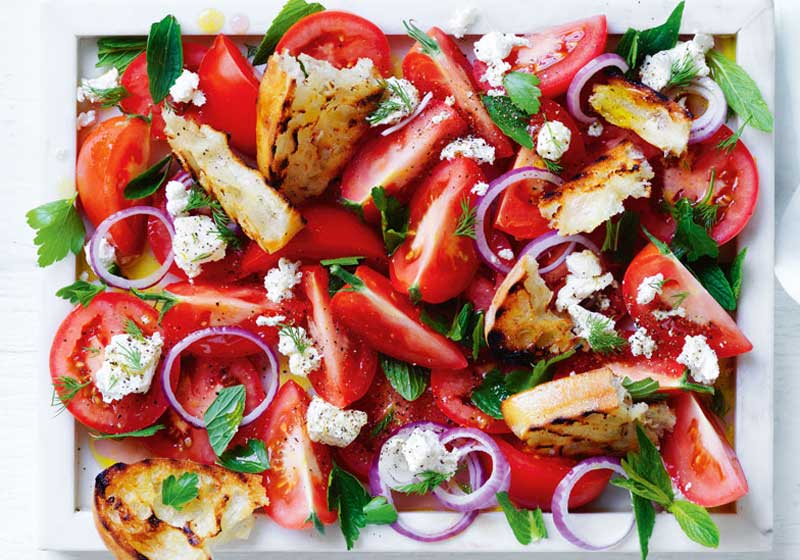
Tomatoes are everywhere, of course - not just in sauces, but grated raw over toast, blistered in pans, folded into hand-torn panzanella with cucumbers and herbs. Herbs matter more than ever: dill with sardines, mint with tuna, parsley with anchovy-laced dressings, oregano scattered over everything like confetti. Australians are also cooking with more bitter greens - radicchio, rocket, chicory - because bitterness makes the ocean sweetness of fish sing.
If there’s a flavour mood for 2026, it’s brightness plus salinity. Think charred bread rubbed with garlic, crowned with sardines and a tumble of tomatoes slicked in oil. Think spaghetti turned glossy with anchovies, lemon zest and pangrattato that crackles like sand underfoot.
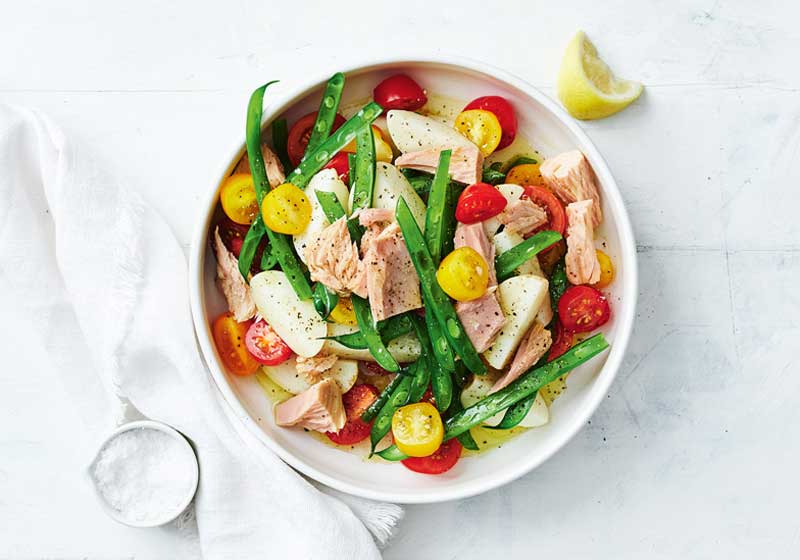
Think a warm salad of potatoes, green beans and olives, where tuna feels like the natural punctuation mark. These are meals that don’t require a big shop or a long plan; they require appetite and a bit of attention and they reward you with something that tastes far larger than its effort.
The charm of tinned fish is that it makes Mediterranean cooking feel possible on a Tuesday. It’s a bridge between Australia’s casual lifestyle and the Mediterranean’s slow-food soul. It’s the pantry as a promise: that good eating doesn’t have to be rare, expensive, or complicated.
Sometimes sophistication is just knowing what to open, what to drizzle, what to tear and when to sit down - preferably with someone else, while the light is still good.