We’ve been taught to hear ‘pasta’ and picture Italy first: a twirl of linguine, the ribbed grace of rigatoni, a raviolo splitting open like a small gift.
The Mediterranean has always been a wider table than any one country and its doughs and noodles - rolled, pinched, steamed, shredded - carry stories that drift on sea-winds from North Africa to the Levant, from Greece to Turkey. Pasta, out here, is not a passport stamp. It’s a way of living with wheat, water, heat and time.
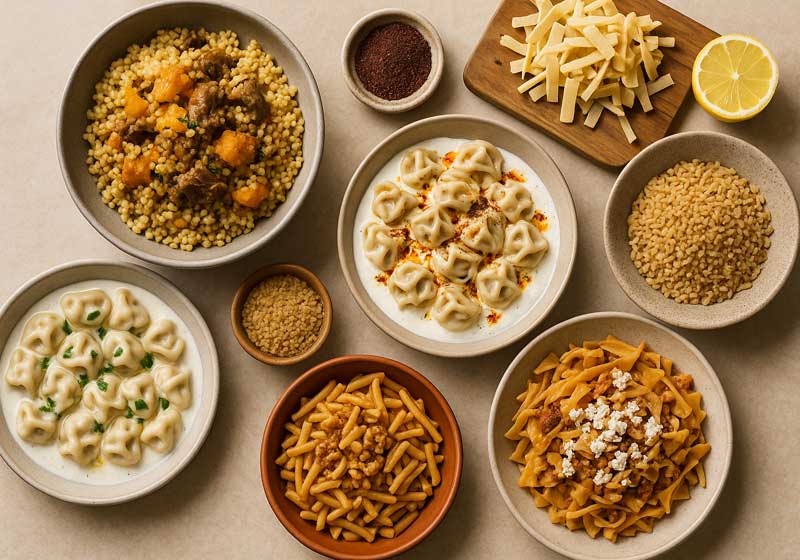
In North Africa, couscous is not a side dish but a ceremony. Tiny grains of semolina are rolled between palms until they’re as even as beach sand, then steamed above a pot of bubbling broth, swelling with cumin, saffron, onion and the scent of patience.
In Morocco it arrives crowned with lamb and sweet carrots, chickpeas and cinnamon, the whole bowl warm as a family gathering. In Tunisia it leans smoky and harissa-hot, eager for fish and octopus, tasting like a shoreline at dusk. Here, pasta can be as small as dust and still carry the weight of a coastline.
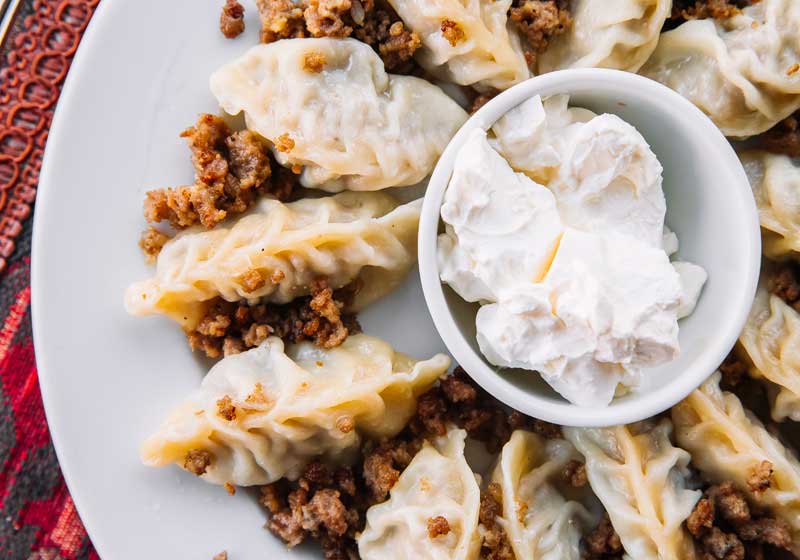
Across the Levant, pasta takes the shape of comfort and cleverness. Shish barak - little dumplings folded like ears and bobbing in garlic-mint yoghurt - tastes like cool shade on a Summer afternoon, tangy against the hush of lamb.
In Lebanon and Syria, toasted vermicelli is stirred through rice, a simple alchemy that turns pantry staples into celebration. In Palestine, maftoul is couscous’s larger, chewier cousin, rolled with bulgur and flour, then served with olive oil, caramelised onions and chicken stock that smells of allspice and black pepper. Each bite is soft grit and nourishment, the kind of food that steadies you.
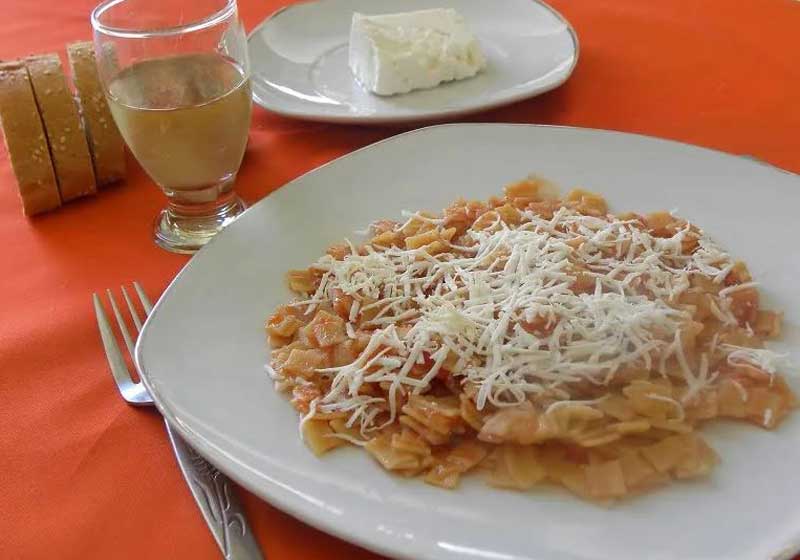
Greece and Turkey speak in ribbons and rosettes. Hilopites - short egg noodles, often dried on sheets in village courtyards - soak up tomato and oregano like thirsty cloth. There’s trahanas too: fermented wheat and yoghurt rolled into granules that melt into Winter soups, tangy and soothing, a reminder that pasta can be sour, alive and Winter-wise.
In Turkey, eriste comes hand-cut and sun-dried, then tossed with brown butter and walnuts; manti are thumb-sized parcels, the labour of many hands, finished with chilli oil, sumac and yoghurt. The textures move from silky to bouncy to tender-chew, as if the region itself is speaking through your teeth.
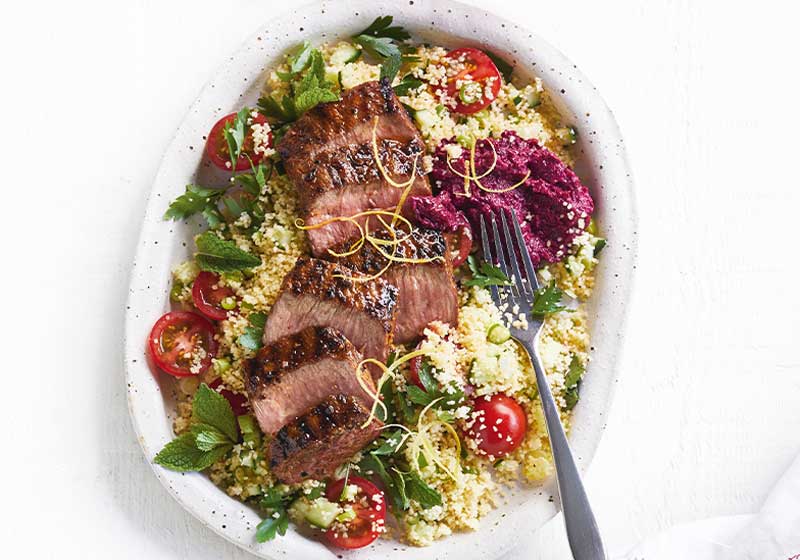
These traditions are finding fresh voice in Australia, where the Mediterranean isn’t a single flavour but a chorus. Chefs in Sydney shave harissa into squid-ink couscous, letting the heat kiss the sea. In Melbourne, maftoul turns up beside roast pumpkin and native herbs, chewy pearls catching lemon oil and smoky yoghurt.
At home, families fold shish barak on Sunday afternoons, freezing a tray for future nights when comfort is required on demand. Greek grandmothers still dry hilopites on tea towels, while younger cooks play with trahanas as a base for brothy bowls spiked with greens and grilled prawns. It’s tradition meeting curiosity, without either losing its accent.
To follow these pastas is to follow the sea itself - restless, connective, refusing borders. They remind us that noodles are not an invention but an instinct, born wherever wheat met water and hands longed to make something lasting.
Italy’s pasta is magnificent, yes, but it is one bright note in a sprawling Mediterranean song. Beyond Italy, the region’s other pastas wait like letters in a drawer, ready to be opened. Once you taste them, you don’t just discover new shapes. You discover how big pasta has always been.