Image: Aaron Schembri - Kadota
By Joseph Steele
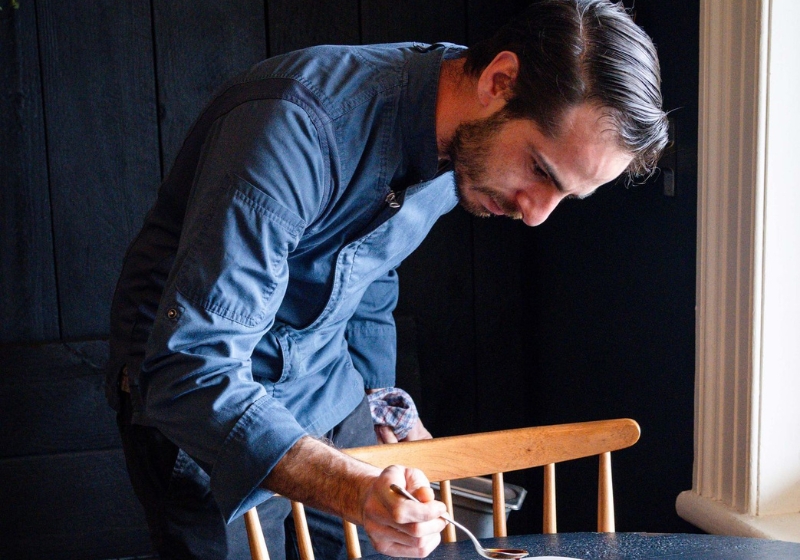
Daylesford is a town better known for mineral springs and spa weekends than meticulously presented Japanese fare. Kadota has become one of Australia’s quietly powerful dining experiences. At its helm is a Chef shaped by two worlds: the respectful, precise and vibrant culture of Japan and the grounded, produce-driven rhythm of Daylesford life.
Where many fine-dining operators chase pace and instaworthy moments through snack-heavy menus and quick turns, Kadota has taken the opportunity to slow life down. Thoughtful sittings. Deliberate pacing. A dining room built on omotenashi - the Japanese philosophy of wholehearted hospitality. In this current climate it can be perceived as a commercial risk, but it’s true statement of intent.
Together with his wife Risa, they have built more than a restaurant and created a cultural bridge. One that threads Japanese restraint through regional Victorian produce, proving that luxury doesn’t have to shout, it simply needs clarity, care and conviction.
Kadota has forged a path that seems unstoppable. Having consistently held 3 Chef Hats at a score of 18 consecutively for the last 3 years, it’s a dining experience that leaves you changed for the better. Dishes are delicately presented, the service impeccably personal and the ethos surrounds you every step of the way.
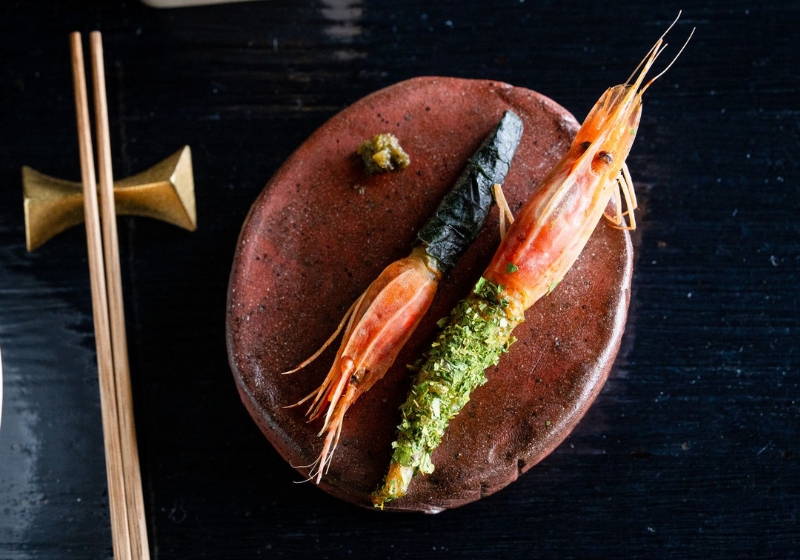
Image: Kadota
You’ve worked in some of the most exacting kitchens in Australia and Japan. What did Hajime Yoneda’s three-Michelin-star kitchen teach you that still shapes the way you cook in Daylesford?
Hajime was a place I chose to go — it was my favourite restaurant in the world. Being such a small operation, it was something I deeply resonated with. I knew what I wanted to achieve as a Chef, and it was the kind of place that proved that vision could actually work.
His philosophy of elevating the flavour of seasonal, local produce taught me clarity — not just on the plate, but personally. There was no excess, no distraction. Everything had intention. It gave me real clarity in who I am as a Chef and reinforced that simplicity, when executed at the highest level, can be more powerful than complexity.
Kadota has been built around slow, considered dining — thoughtful sittings, deliberate pacing. In a hospitality landscape driven by quick turns and margins, was that a commercial risk?
Yeah, 100%. In a fine-dining landscape fuelled by lots of small snack-style items and quicker turns, choosing to slow things down was definitely a risk. But it also gave us a real point of difference.
It’s important for us to take guests out of their busy world and give them a sense of relief — to let them slow down, breathe and really relax into the experience. There were two simple choices for us: be considered and slow, or fast-paced. For me, the slower, more deliberate approach felt honest to what we were trying to create. It may not maximise volume, but it maximises meaning.
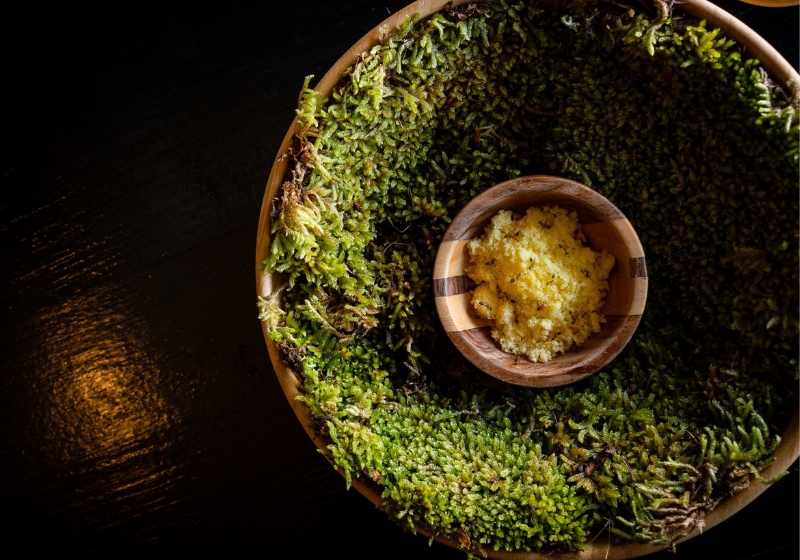
Image: Kadota
You’ve spoken to us before about a life growing up in Daylesford and finding focus in hospitality. When did cooking shift from job to calling?
It was probably when I was 23. By then, I’d already spent a solid eight years cooking, but I still didn’t have a full sense of direction. I remember speaking to a cousin about the knowledge I’d built up in the industry, and that conversation brought so much clarity.
It clicked for me that this wasn’t just something I was doing — it was something I wanted to fully commit to. That was the moment it shifted from job to calling. I kept learning, kept pushing. Then Risa took me to Japan, and that experience expanded my whole world — culturally, technically and philosophically.
Daylesford is better known for spa weekends than sashimi. Why was this the right place for a restaurant grounded in omotenashi?
To offer the kind of experience we create in a town already focused on relaxation felt like a natural fit. Daylesford is about slowing down, reconnecting and being present — and that aligns beautifully with omotenashi. We also have incredible local produce at our fingertips, which blends seamlessly with the region. It’s a place where we’re able to showcase both Risa’s upbringing and mine, bringing together Japanese philosophy and regional Victorian ingredients in a way that feels grounded rather than forced.
Your menu pairs some incredibly delicate ingredients with bold flavours. How do you balance theatre with restraint?
Theatre is important in fine dining — but it’s never more important than the dish itself. There’s always an awareness of it in the back of my mind, but theatre has to have purpose.
It can come through scent, presentation or the layering of small intricacies that build a moment. When all of those elements combine with intent, you create something memorable. But it’s very easy to get lost in theatre or trends, and that’s not where the real value lies. Japanese dining is ultimately about the guest experience, so we lead with that. The dish comes first, the guest comes first — the theatre simply supports it.
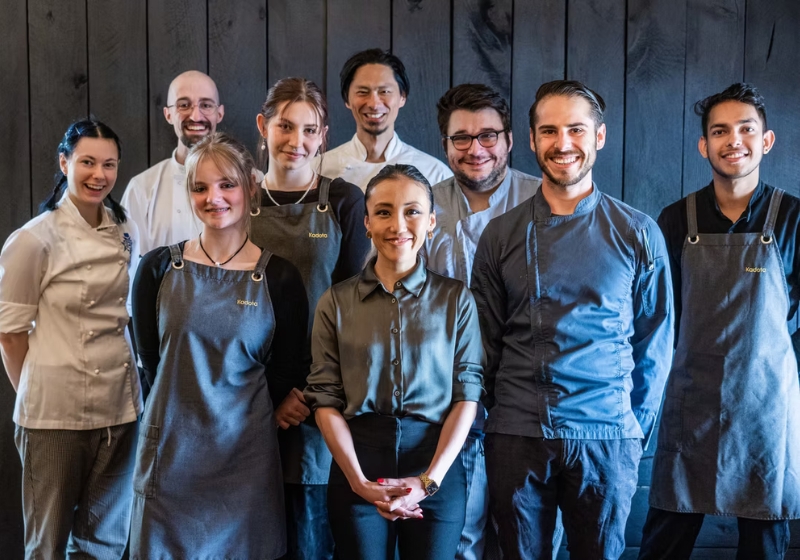
Image: Kadota
Given that Kadota is a shared vision, how has Risa shaped Kadota beyond the name on the door?
Before I met Risa, I knew I wanted to open a restaurant. When I met her, she introduced me not only to her culture and cuisine, but to her family and a completely different way of thinking.
We built Kadota together — together, but separately in some ways. We initially had different ideas about what it might look like and through that tension came clarity. She has been a driving force behind the restraint that defines Kadota today. Her influence across the back of house, consistency and discipline has shaped everything into what it is. It’s very much a shared vision, even if our strengths sit in different areas.
How do you teach the philosophy of Omotenashi to a regional Australian team?
We’re lucky to have great staff, but we also understand that this style of hospitality isn’t for everyone. At Kadota, the guest comes first — every decision we make is based on that principle.
Our guests visit for a special experience, so we train our team from the ground up with an awareness of how the entire experience is perceived. It’s about understanding every angle — from the greeting to the pacing to the final farewell. We implicitly trust our staff, and we strip everything back to who we are and what Kadota stands for. Omotenashi isn’t scripted; it’s a mindset rooted in care, humility and anticipation.