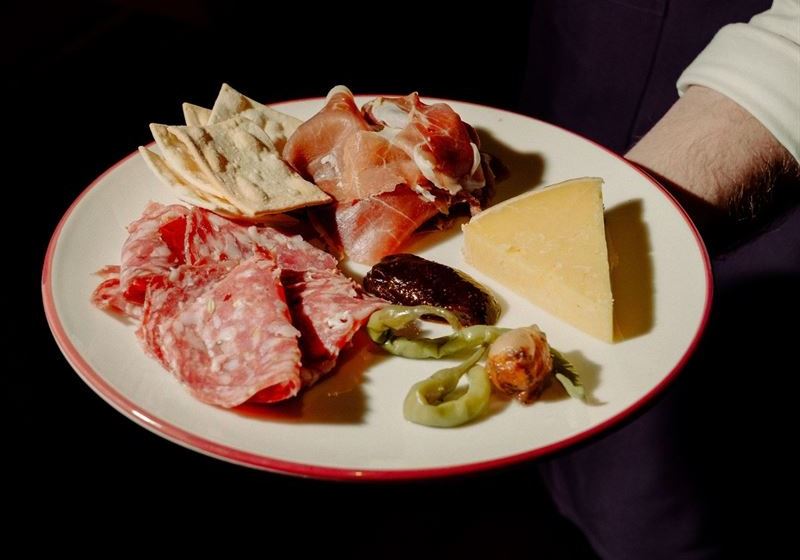
Some dishes don’t arrive with fireworks. They don’t glitter under restaurant lights or stack themselves into architectural towers. They come quietly: a pale broth, a loose mince, a poached bird on rice. Understated. Almost shy.
You take a photo, maybe even think, is that it? Then you taste. Suddenly the room tilts. The flavour doesn’t whisper - it roars.
These are the recipes that taste louder than they look. The food equivalent of a small dog with a lion’s bark. They hit like a truck because they’re not trying to impress you with looks; they’re trying to feed you, to wake your palate up, to drag memory and appetite into the same bright, noisy place.
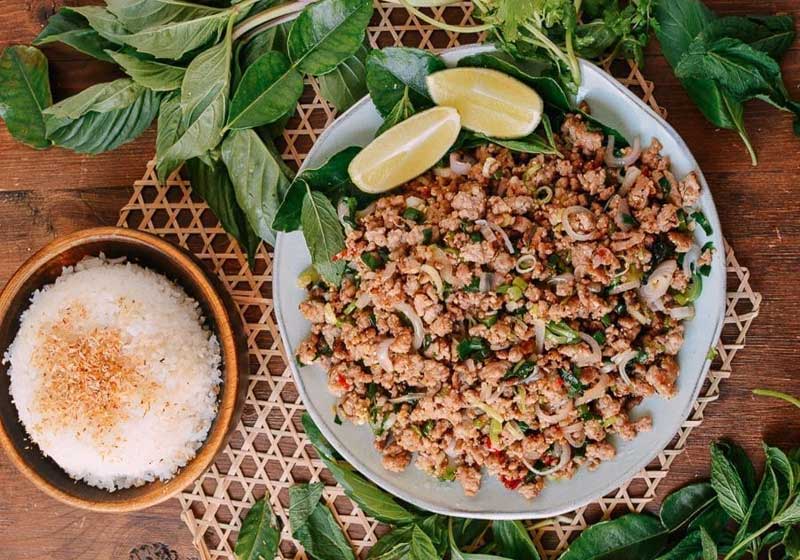
Take Laos-style laap. On the plate it can look like a humble tumble of minced meat and herbs, a little heap that forgot to dress up - but laap is a riot. The first forkful is warm, citrusy, alive with mint and sawtooth coriander, then comes the heat - sharp, quick, darting - followed by the deep crackle of toasted rice powder that turns the whole thing into something almost electric.
There’s acid, salt, smoke, bitter green notes and a kind of wildness that makes your mouth tingle as if it’s learning a new language. Laap doesn’t need garnish; it is garnish, a whole garden and a whole grill in one bite.
Then there’s Filipino sinigang, a soup that often arrives looking like something your grandmother would hand you when you’re sick: clear-ish broth, soft vegetables, a few pieces of pork or prawns drifting about. Comforting, you think. Gentle.
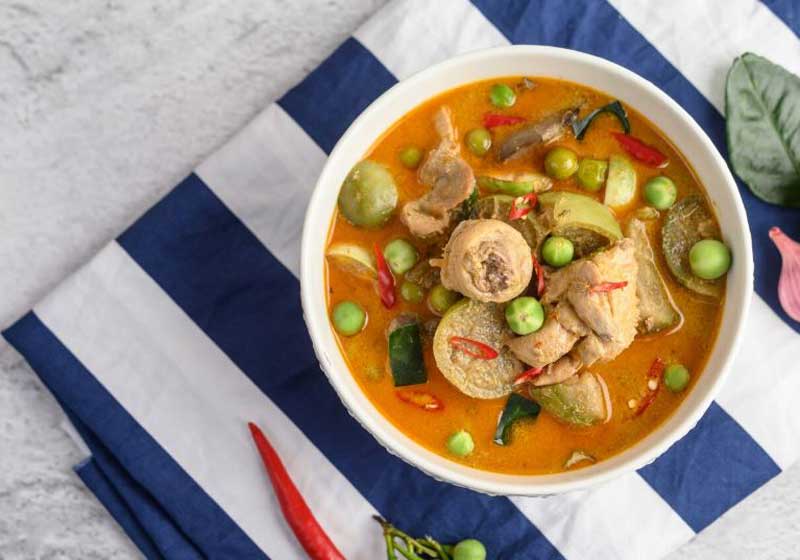
Then the sourness lands - tamarind bright enough to make your cheeks pull in, the kind of tang that resets your tastebuds and makes you sit up straighter. It’s not sour for shock-value. It’s sour like tropical rain, like green mango, like the memory of salt on skin. It pulls richness out of pork belly, makes tomatoes taste sunburnt and sweet, turns okra into silk. Sinigang is the quiet friend who suddenly tells a killer joke and leaves you laughing too hard to breathe.
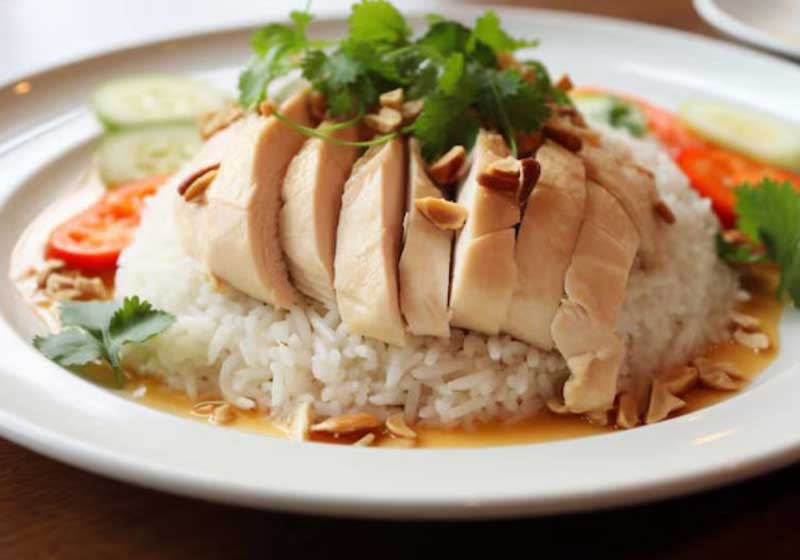
Take Hainanese chicken rice, the world’s most deceptively plain masterpiece. A neat clutch of poached chicken, glossy rice, pale cucumbers. It looks almost clinical, like food playing it safe. The magic is in the small bowls crowding the side: chilli-ginger sauce that bites and warms, dark soy thick with sweetness, a gingery slick of oil, maybe a fermented shrimp paste if you’re lucky.
On their own they’re potent; together they turn the chicken into something far beyond its soft exterior. The meat is tender, yes, but it’s the condiments that sing - salty, sharp, hot, funky, bright. You dip, drizzle, spoon. Suddenly the simplest plate becomes a choose-your-own-adventure of flavour, each mouthful tuned a little differently to your mood.
That’s the secret of these dishes: they don’t perform on the plate, they perform in your mouth. They rely on balance rather than bling, on technique rather than theatrics. Sour to lift fat. Toasted grains to give depth. Fermented things to add shadows. Fresh herbs to keep it all awake.
They’re often foods born of necessity, of home kitchens and market stalls, where the priority is not how a dish looks under a spotlight, but how it carries you through the day. How it makes rice disappear. How it makes you feel looked after.
Understated plating, over-delivered flavour. Food that reminds you that glamour isn’t always loud and loud isn’t always glamorous. Sometimes the quietest bowl is the one that stays with you. You finish, you’re a little stunned, and you look back at the plate like, You?
Yes, you. Simple as a stone, thunderous as a storm.