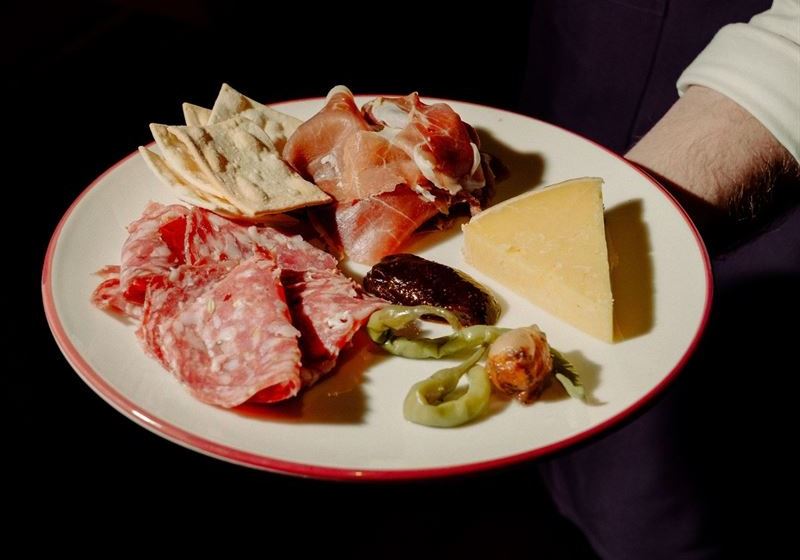
The Mediterranean plate used to arrive with a kind of comforting predictability. You knew the script: a smoky fan of eggplant, a swoosh of labneh, pomegranate jewels scattered like polite confetti. Olive oil poured with sincere generosity. It was sunshine food, yes - but sometimes it felt like a postcard you’d already sent.
Now the postcard’s been scrunched up and tossed in the back seat. Across Australia, Chefs are treating the Mediterranean not as a fixed coastline but as a set of ideas: restraint, clarity, fire, acid, salt, good bread, better company. Less villa, more vision.
The flavours still speak of sea and grove and smoke, but the dialect has changed. It’s hummus loosened with brown butter until it smells like toasted hazelnuts and warm pastry. It’s swordfish crudo that arrives pale and translucent, dressed with the clean bite of citrus and the faint hum of native pepperleaf. It’s charred fennel slicked with anchovy oil, the sweetness of the blistered fronds pulled into focus by brine.
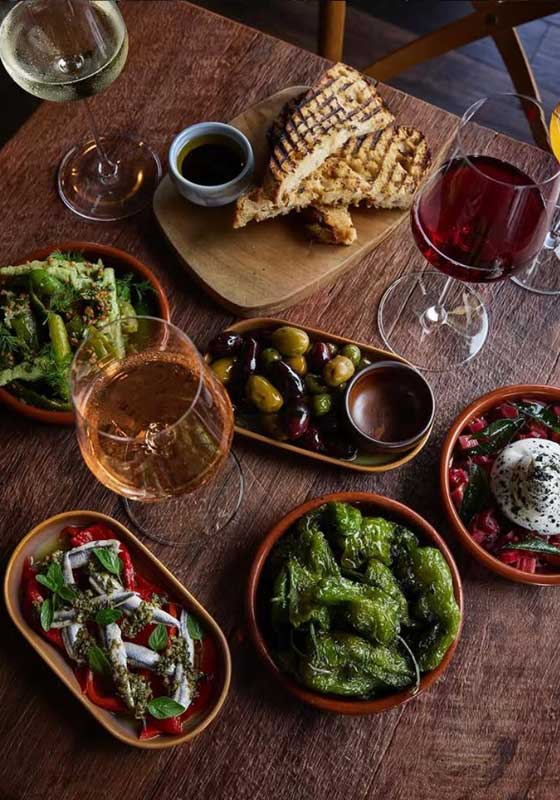
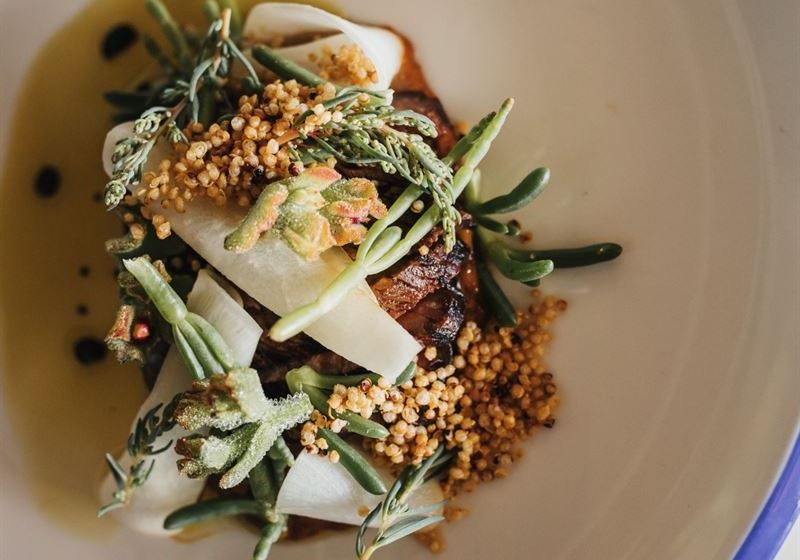
You feel the shift first in the way plates look. They’re quieter. A Chef might take a classic Greek horta-style greens dish and rework it with Warrigal greens or samphire, lightly wilted, finished with a lick of smoked olive oil and a snow of grated bottarga.
A Levantine-style salad might swap the expected parsley torrent for crisp, bitter leaves and shaved raw brassicas, then sharpen everything with finger lime. The gestures are small, but they’re precise - like editing a sentence until it finally says what you meant.
Precision is the new lavishness. Mediterranean cooking has always been about making little things matter: the right ripeness of a tomato, the exact scorch on a pita, the way lemon lands at the very end. Australian Chefs are doubling down on that sensibility, then letting local produce do the talking.
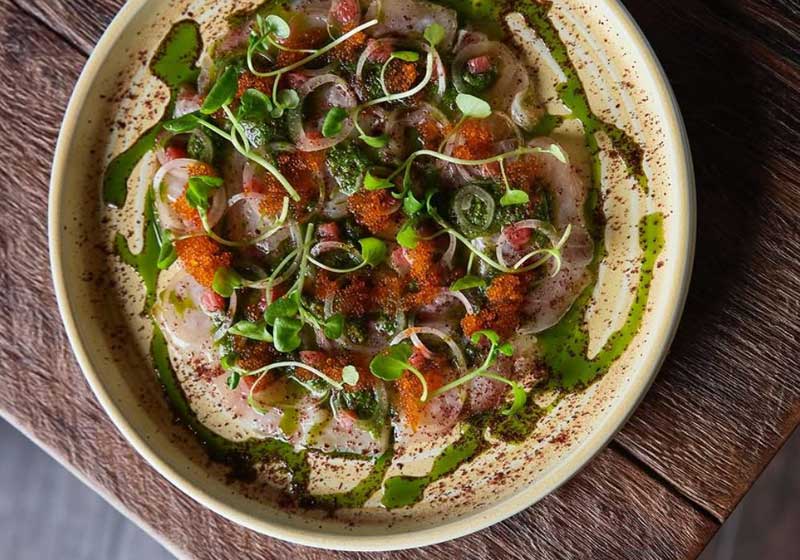
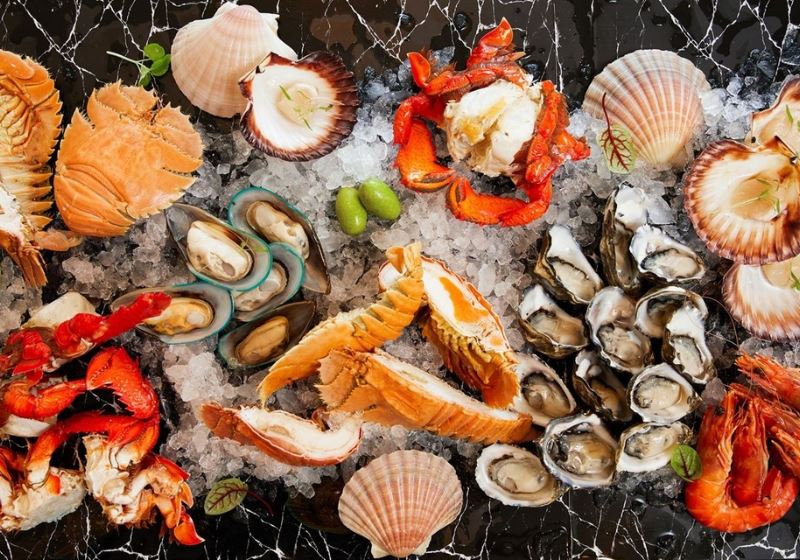
Sea urchin from a cold southern inlet becomes the salty backbone of a silky taramasalata. Geraldton wax or lemon myrtle lifts a simple grilled fish the way oregano once did on an Aegean beach. Native thyme, bush tomato, desert lime - not used as novelty fireworks, but as quiet substitutions, the kind that make you blink and think, "Of course.”
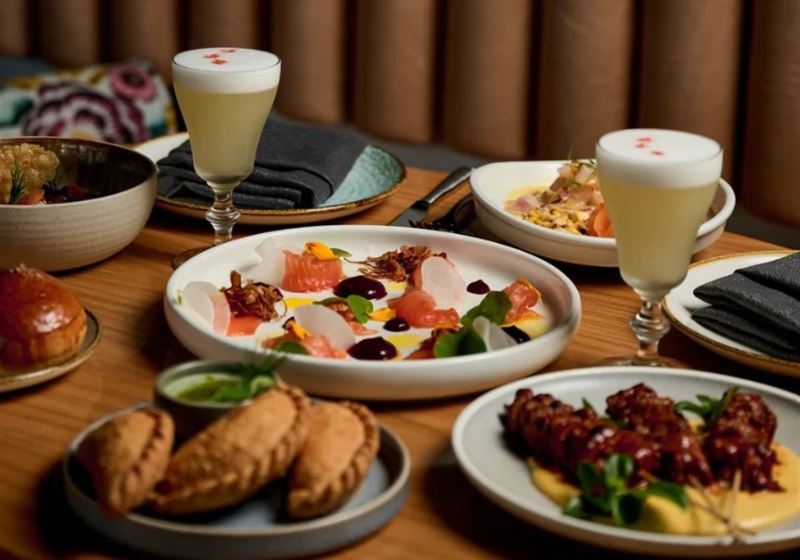
There’s also a move away from Mediterranean food as an all-out feast of abundance. The new wave is lighter on its feet. Less mezze sprawl, more considered sequence. A single roasted carrot, split and glazed in honey and verjuice, might sit beside a spoonful of ricotta whipped with salty sheep’s milk and burnt butter.
A few perfect slices of peak-season stone fruit could be paired with shaved jamón and a dusting of wattleseed, sweet and smoky and barely there. The plate isn’t trying to impress you with volume; it’s trying to make you taste.
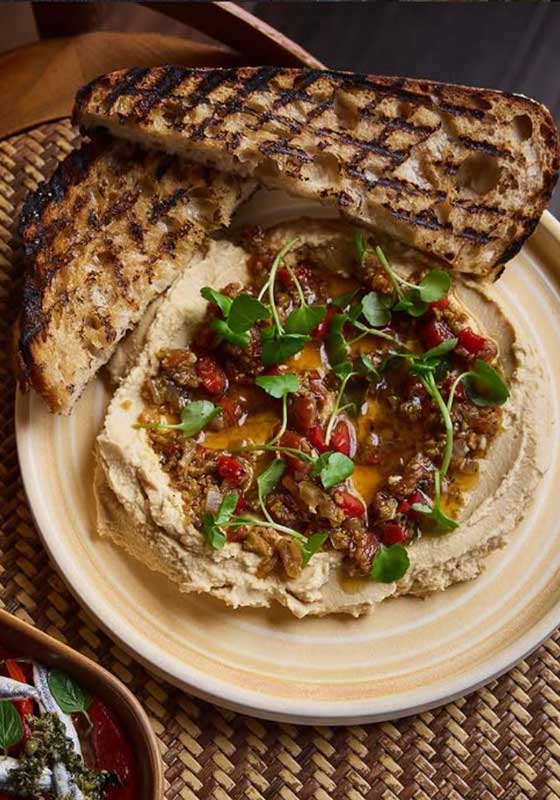
The fire remains sacred but it’s being used like a scalpel, not a sledgehammer. Char isn’t a blanket flavour anymore - it’s a punctuation mark. You’ll find octopus or cuttlefish kissed by flame until just caramelised, then cooled with something green and feral: a salsa verde built on natives, or a broth brightened with coastal herbs. The contrast is the point. The clarity is the thrill.
What’s exciting is how natural this evolution feels. Australia is a Mediterranean country in climate, sure, but also in spirit: migratory, coastal, obsessed with good produce and late lunches.
This ‘new Mediterranean’ doesn’t reject tradition - it listens to it, then answers back in an Australian accent. It’s the old coastline, redrawn with finer lines. A plate that still believes in olives and smoke and citrus, but trusts that less, done well, can be everything.