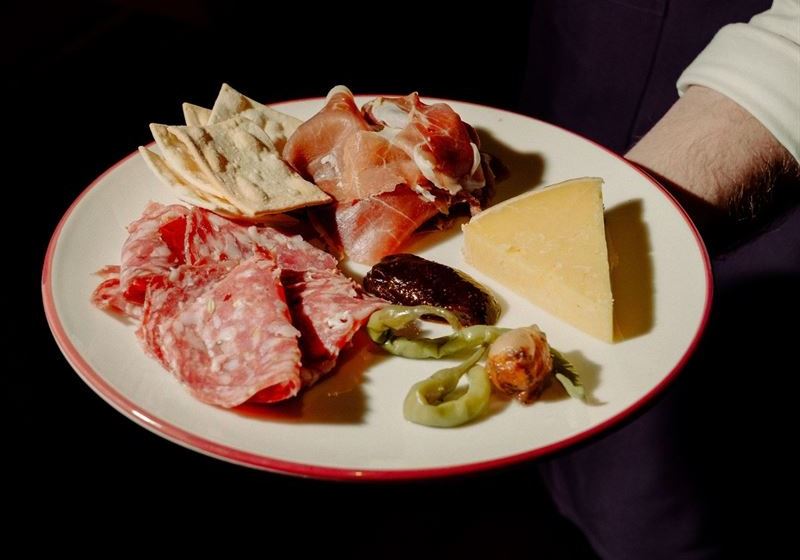
In 2025, ‘Mediterranean’ isn’t a dot on a globe so much as a feeling you can taste. It’s the crackle of heat on charred bread, the slick green drag of good oil, the way citrus wakes up a dish like morning light across water.
Once, the word meant Southern Europe, a tight coastal ring of olives and vineyards. Now it’s a mood, a palate, a produce-led way of cooking that stretches as far as the sea’s history ever did - from Spain’s Atlantic edge through the islands and gulfs, down into North Africa, across to the Levant - and then keeps going.
The Mediterranean has never been one thing. It’s a cultural tide pool where empires met merchants, where families crossed water with recipes in their suitcases, where spices travelled faster than borders.
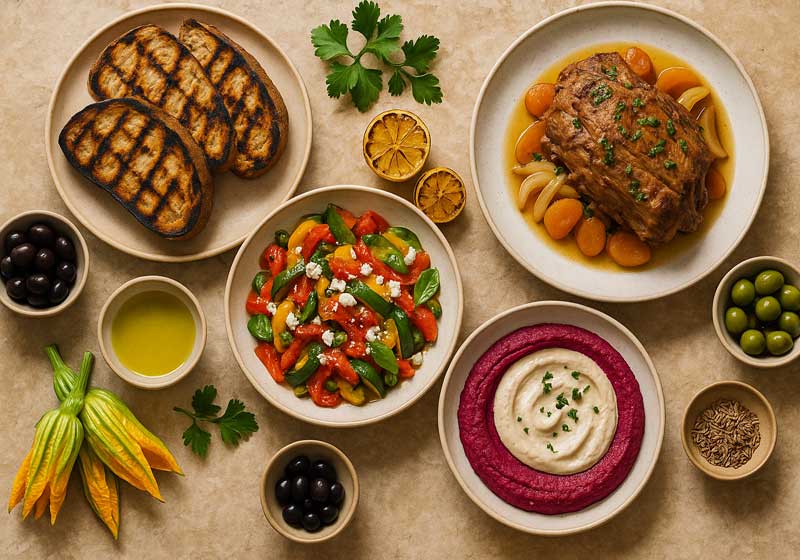
Spain gives you the swagger of smoke and salt: paprika, peppers, seafood kissed by fire. Italy offers a gospel of restraint - three ingredients, perfect timing, nothing to hide behind. Greece brings lemon, oregano and the bright snap of sheep’s-milk brine.
Turkey and the Balkans lay down the language of charcoal and dough, of yoghurt and patience. Morocco and Tunisia pour heat into sweetness, turning cumin, saffron, preserved lemon and harissa into a kind of edible weather. Lebanon and Syria lace the table with herbs, nuts and pomegranate tang, where mezze isn’t a course but a way of gathering people close. Each shoreline sings its own melody; together they make a choir.
Australian Chefs are seizing those instincts rather than chasing a passport stamp. The new Mediterranean on local menus isn’t a copy of someone else’s childhood or a frozen ‘holiday in Mykonos’. It’s selective sampling, a respectful remix.
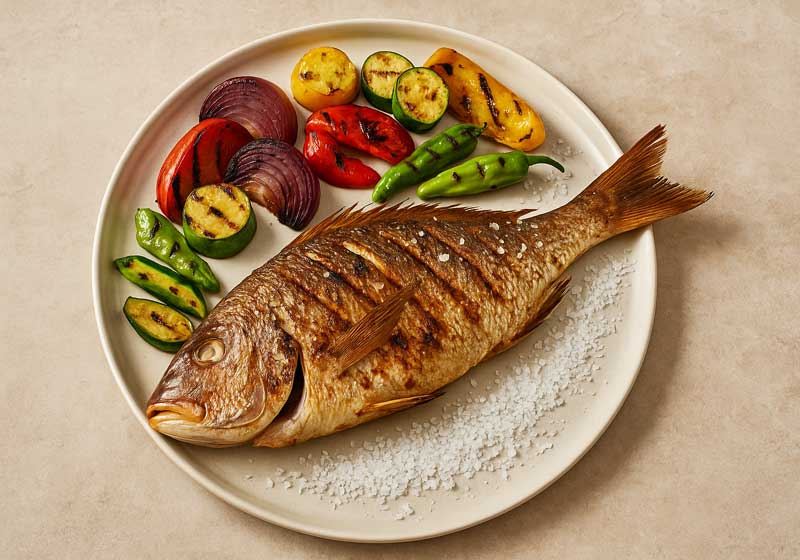
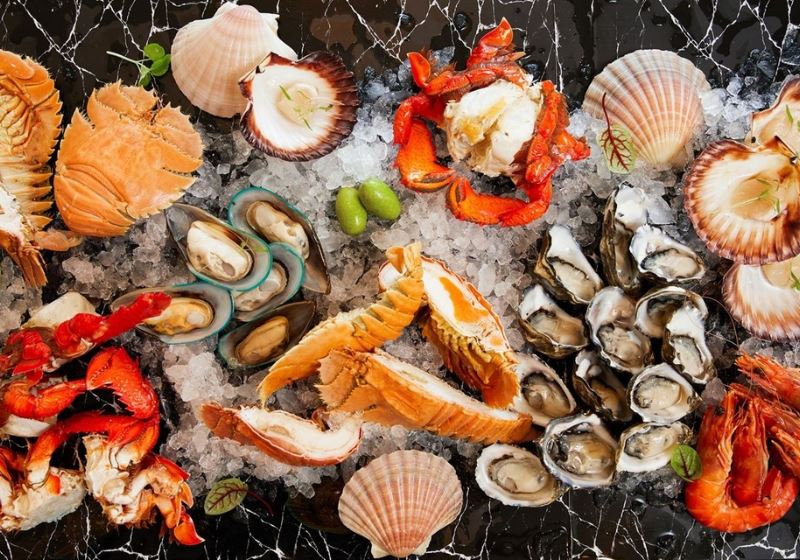
A Brisbane grill house draws on Andalusian simplicity - whole fish, blistered vegetables, a last-minute snow of sea salt - but anchors it in reef snapper and just-picked zucchini flowers. A Melbourne wine bar borrows the Levant’s love of dips and pickles, pairing whipped tahini with roasted beetroot, or folding native pepperleaf into labneh.
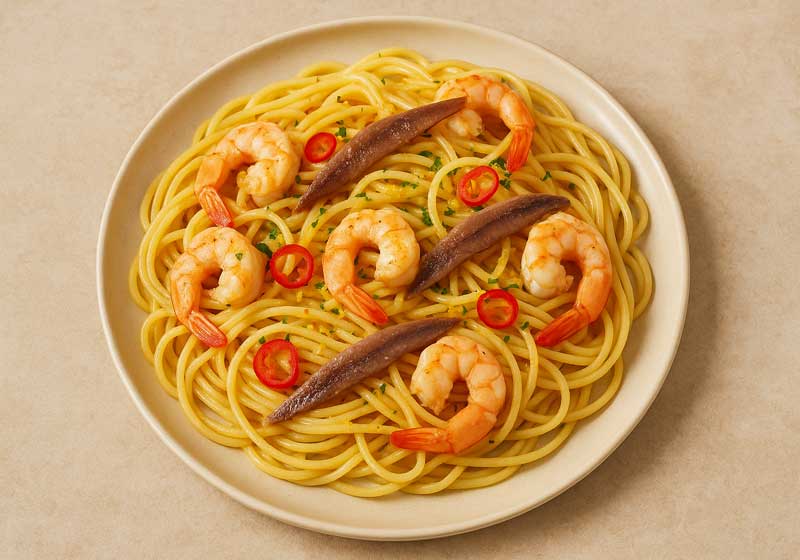
In Adelaide, a pasta bowl nods to Sicily with anchovy, chilli and lemon, then meets the sweetness of Spencer Gulf prawns. In Perth, a rustic tagine spirit turns into a slow-braise of lamb shoulder with fennel, dried apricot and a finishing hit of bush lemon. These dishes aren’t pretending to be from somewhere else. They’re letting somewhere else teach them a better way to be here.
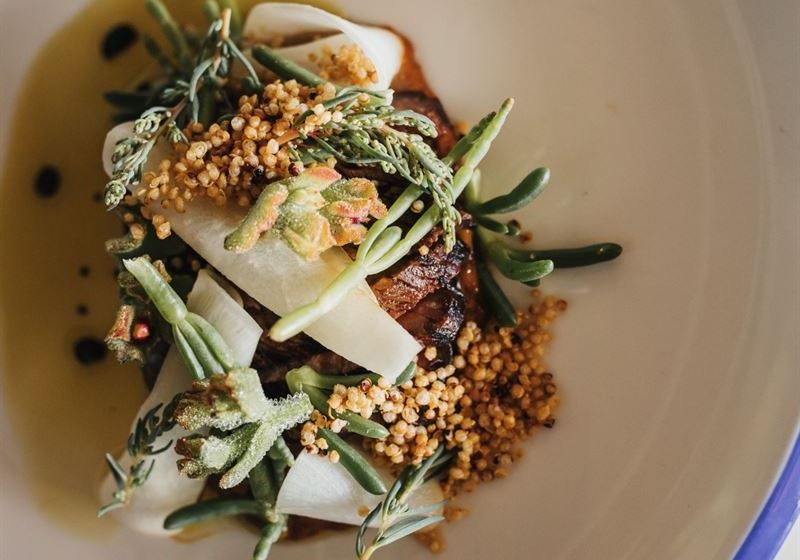
Produce is the headline act. Modern Mediterranean cooking isn’t about a signature dish; it’s about reflexes. Cook what’s ripe. Waste little. Let acid lift richness. Use smoke as seasoning, herbs as punctuation. Sometimes that means barely cooking at all when the season is loud enough: nectarines with burrata, cucumbers with mint and salted yoghurt, tomatoes that need only oil and a grind of pepper.
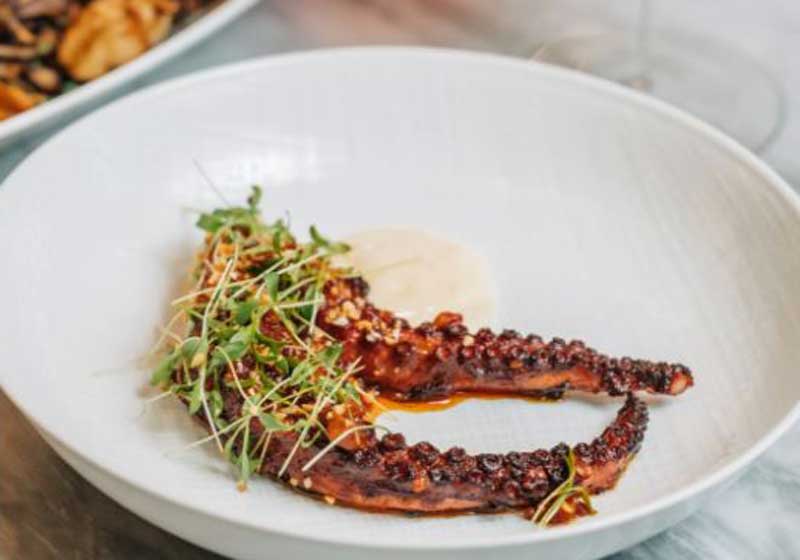
Other times it means going low and slow: chickpeas simmered into velvet, octopus braised until it yields, eggplant softened into silk. It’s the confidence to trust ingredients and the humility to get out of their way.
There’s a social architecture beneath it. Mediterranean food is built for the middle of the table, a gentle refusal of single-serve life. Plates are meant to overlap, hands to reach, conversations to stretch. That spirit lands perfectly in Australia’s long evenings and outdoor habit.
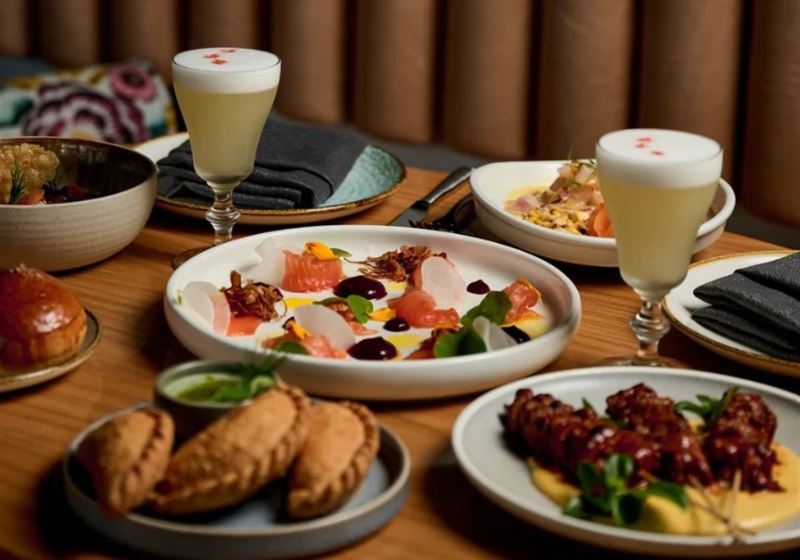
We recognise the joy of ‘a bit of everything’: grilled prawns alongside roasted capsicum, warm bread beside cold salad, something rich next to something sharp and alive. A meal becomes a small festival.
When we say Mediterranean in 2026, we mean a cuisine without a gate. It’s sunward, generous and curious. It belongs to anyone who cooks with clarity, who honours the ingredient first, who knows that the best meals are rarely solitary.
Mediterranean is no longer a geography. It’s a style - a way of letting an old sea’s many languages speak through a new continent’s voice.