By Leigh O’Connor.
Edible flowers feel like a little culinary magic trick: the moment you scatter petals over a dish, everything looks like it belongs in a storybook picnic. They turn ordinary food into something that makes people pause, grin and nudge each other like, "Wait - can we eat this?”
Yes. Yes you can and once you start, it’s hard not to see your kitchen as a garden in disguise.
First, let’s talk vibe. Flowers bring a kind of joyful theatre to food. A salad with nasturtiums looks like it’s wearing confetti. A cake crowned with violets suddenly feels like a celebration, even on a random Tuesday. There’s something wonderfully rebellious about eating something we’re trained to admire from afar. It’s like borrowing a bit of Spring and letting it melt on your tongue.
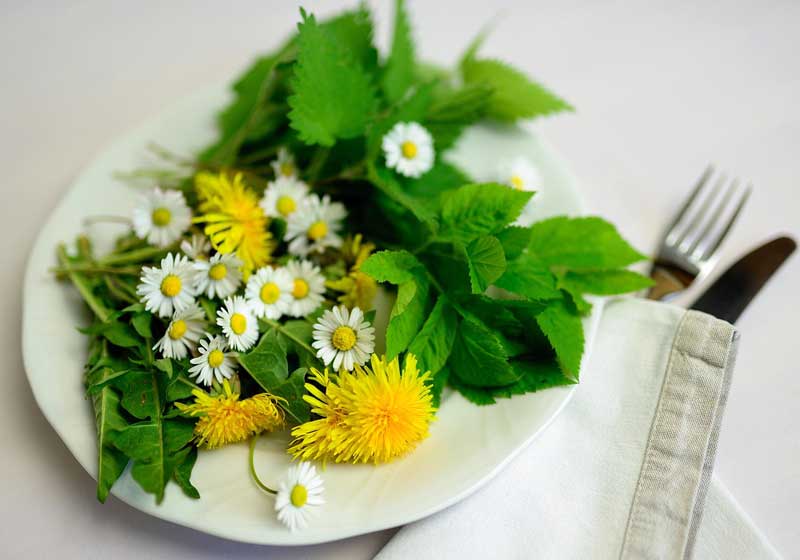
Edible flowers aren’t just pretty hats. They have real flavour. Some are peppery, some honeyed, some grassy or citrusy and a few even taste faintly like the colour they are.
Nasturtiums are bold and spicy - think watercress with a floral wink. Pansies and violas are mild and sweet, with a fresh, green note. Calendula is sunny and slightly tangy, almost saffron-like. Lavender is perfumy and intense (use it like you would vanilla - small doses, big impact). Rose petals can be soft and fruity, or deeply aromatic depending on the variety - and borage tastes weirdly like cucumber, which is delightful in drinks.
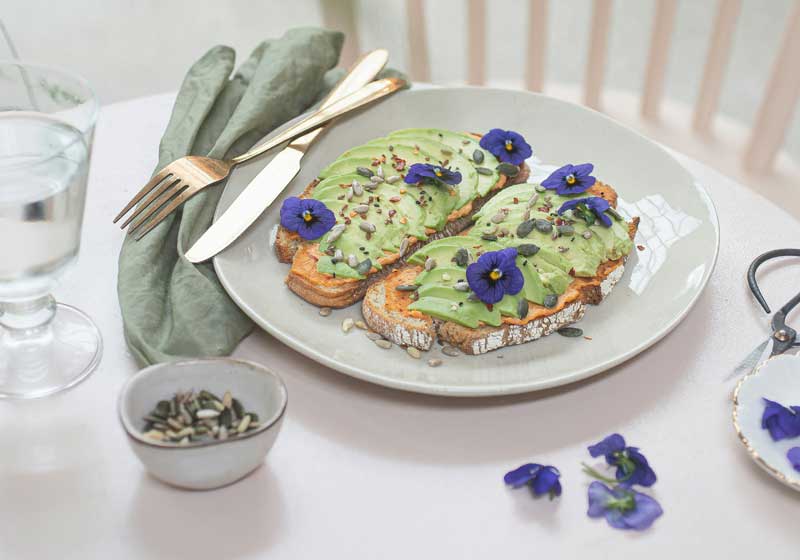
Using them is easier than you think. Start with cold dishes, because heat can dull colour and aroma. Toss petals through salads right before serving. Float them on soups or gazpacho for a pop of colour. Scatter them over soft cheese, hummus, or butter so they stick like edible glitter. If you’re making a platter, flowers are the quickest way to make it look like you planned it for hours.
Desserts are their natural playground. Press pansies onto shortbread before baking so they set like stained glass. Fold rose petals into sugar, then rim cocktail glasses or dust over pastries. Freeze tiny flowers or petals into ice cubes for drinks that look like they’re hosting a garden party.
You can even candy flowers: brush petals lightly with egg white, sprinkle with fine sugar and let them dry. They turn crisp and sparkly, like fairy food.
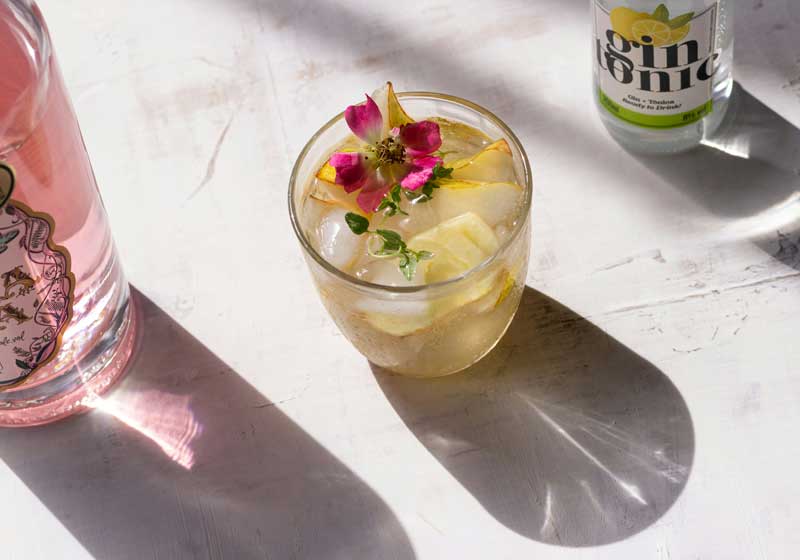
Drinks love flowers too. Add hibiscus or rose to tea for colour and perfume. Muddle a couple of nasturtium petals in a gin cocktail if you want a peppery edge. Make a simple syrup with lavender, chamomile, or elderflower, then use it in lemonade, sodas, or drizzle it over yoghurt and fruit. It’s the easiest way to feel fancy for almost no effort.
A few gentle rules keep the magic safe. Only eat flowers you’re 100% sure are edible. Avoid anything sprayed with pesticides or picked from roadsides. If you’re harvesting from your garden, pick in the morning when blossoms are crisp and fragrant. Give them a cool rinse and pat dry with a paper towel; they bruise easily, like tiny living confetti. Store them between damp paper towels in the fridge and use within a couple of days.
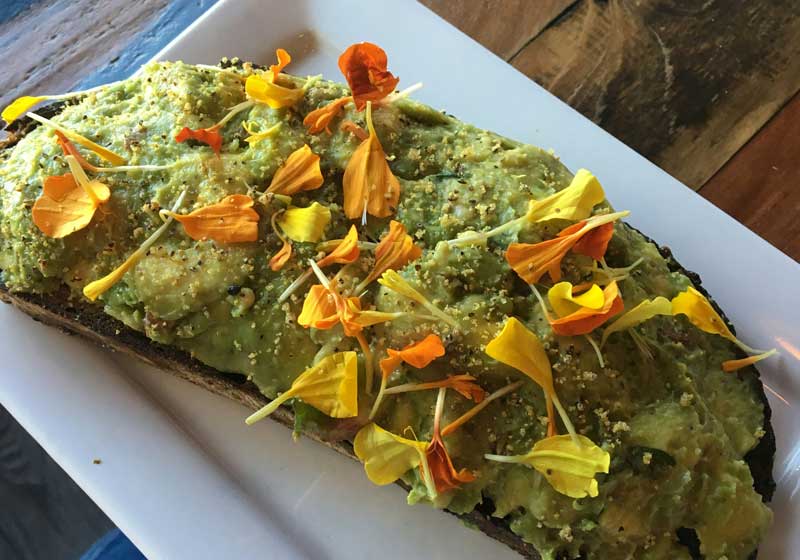
Here’s the secret: you don’t need a special occasion. Edible flowers are a permission slip to make everyday food feel alive. A weekday salad. A bowl of strawberries. A glass of sparkling water. Add petals and suddenly you’re not just eating - you’re celebrating something small and good.
A little colour, a little flavour, a little reminder that beauty is allowed at the table.