The lunch rush used to smell like certainty: basil bruised under a knife, bread blooming in the oven, the ocean arriving on ice before noon. Now the air in Australian kitchens carries something sharper - a heat that lingers long after service, a dryness that sneaks into storerooms and paddocks alike.
Chefs feel it the way farmers do: not as an abstract graph but as a daily negotiation with what the land can still give. Climate cuisine isn’t a trend stapled onto tasting menus; it’s a new kind of listening. It’s what happens when the pantry becomes a weather report.
In the hotter, drier Australia taking shape outside the pass, ingredients are shifting. Citrus is fickle, leafy greens thirstier, some seafood scarcer as waters warm and acidify. Yet the kitchen has always been a place for adaptation and right now that instinct is becoming philosophy.
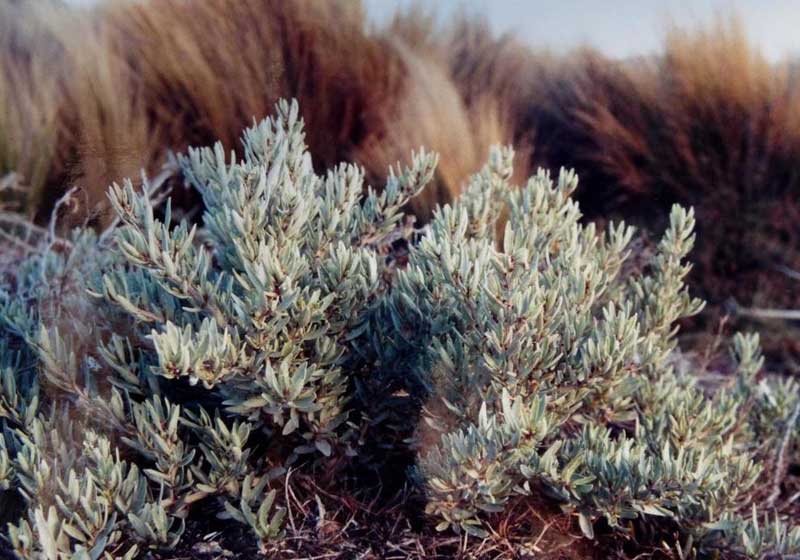
Drought-resistant crops - once niche, now essential - are stepping into the spotlight. Think wattleseed with its coffee-chocolate hum, native pepperberry that crackles like bushfire spice and saltbush, hardy and silvery, tasting of wind and coast.
Millet, sorghum and barley are returning not as ‘alternatives’ but as old friends who know how to survive lean years. Chefs are grinding them into flours, fermenting them into miso-like pastes, crisping them into crackers that snap clean and nutty, as if to say: this is what resilience tastes like.
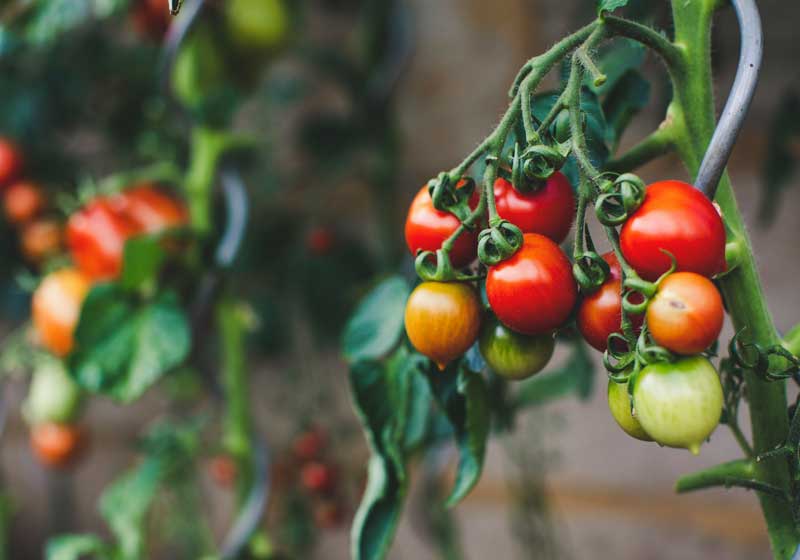
Vegetables are being cooked for their stamina as much as their sweetness. Tomatoes that thrive on less water become smoky passata and sticky roasts; pumpkin and sweet potatoes, with their deep, patient storage life, show up charred and lacquered with bush honey.
There’s a quiet awe in a menu that celebrates what can grow without begging the sky. The plates feel grounded - less about garnish and more about sustenance, about letting the backbone ingredients speak.
Protein, too, is changing its accent. The high-emissions luxury of beef every day is being questioned not from guilt but from creativity. Kangaroo, lean and intensely Australian, lands in dining rooms as tartare with finger lime, or slow-cooked over ironbark until it pulls like brisket.

Lamb is being used sparingly, stretched through broths and ragus rather than piled high. Chefs are getting curious about the future: mycelium ‘steaks’ with satisfying chew, lupin tempeh seared until its edges caramelise, crickets toasted into a praline that tastes like roasted nuts. Alternative proteins aren’t trying to imitate yesterday; the most exciting versions are delicious on their own terms.
Behind these dishes is a wider rebellion against extractive food systems. Regenerative farming - once a word on earnest chalkboards - is becoming a supply chain reality. Chefs are partnering with growers who rotate crops, rebuild soil carbon and let animals graze in ways that heal pasture rather than strip it.
The result is produce with a kind of vitality you can taste: carrots that are sweet all the way to the core, eggs that feel dense with sunlight, grains that carry the perfume of healthy earth. Menus start to read like maps of relationships - not just what’s on the plate, but who helped it live.
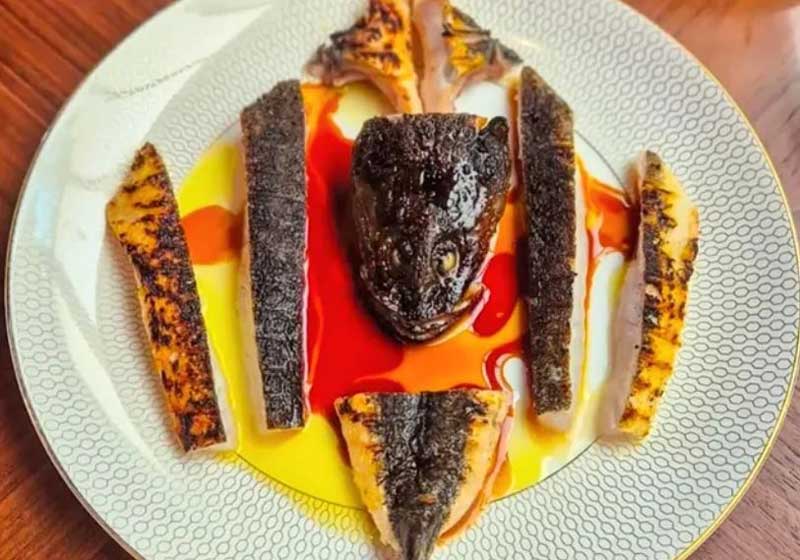
You can see climate cuisine in the small decisions too: the end of wasteful abundance, the rise of whole-ingredient cooking. Stems go into pesto, fish frames into soup, bruised fruit into vinegar. Ferments bubble at the back of house like quiet science projects: in a world where seasons swing harder, preserving becomes both tradition and insurance.
There’s grief in this shift, yes - a sense of saying goodbye to flavours we once took for granted. There’s also a pulse of hope. Australian Chefs are not surrendering to ecological reality; they’re translating it.
Climate cuisine tastes like adaptation, honesty and a fierce kind of care. It tastes like a country learning, plate by plate, how to feed itself in a new climate - and how to make that feeding beautiful.