By Leigh O’Connor.
Christmas lunch used to mean polished silver, heavy plates and a dining room cranked to arctic with air-con. These days, more and more Australians are trading linen-draped tables for fold-out legs dug into the sand and swapping the clink of crystal for the hiss of a portable gas burner catching flame in the wind.
It starts early, before the sun has found its full bite. In driveways and tiny apartment kitchens, eskies are packed like Tetris: prawns layered on ice, marinated cutlets sealed in zip-lock bags, little jars of pickled beetroot and mustardy mayo. Someone remembers the crackers at the last minute. Someone else grabs the battery speaker, the camp chairs, the bag of mismatched enamel plates that have seen more long weekends than most suitcases.
The destination might be a secluded cove only reachable by tinnie, a eucalyptus-framed picnic area in a national park, or a surf-lapped sandbar that will disappear under the incoming tide by late afternoon.
The journey is part of the ritual. Boats nose across glittering water, the bow loaded with food and family, tinsel tied to the rails just for the laugh. Cars snake along coastal roads, windows down, the smell of sunscreen and coffee mingling as kids sing along badly to carols on the radio.
By mid-morning, the pop-up dining rooms of Australia are taking shape in wild places.
On a rocky headland, a couple unfolds a camp table and throws a faded striped cloth over it, the colours bleached by years of sea spray. They weigh it down with shells and a jar of foraged wildflowers.
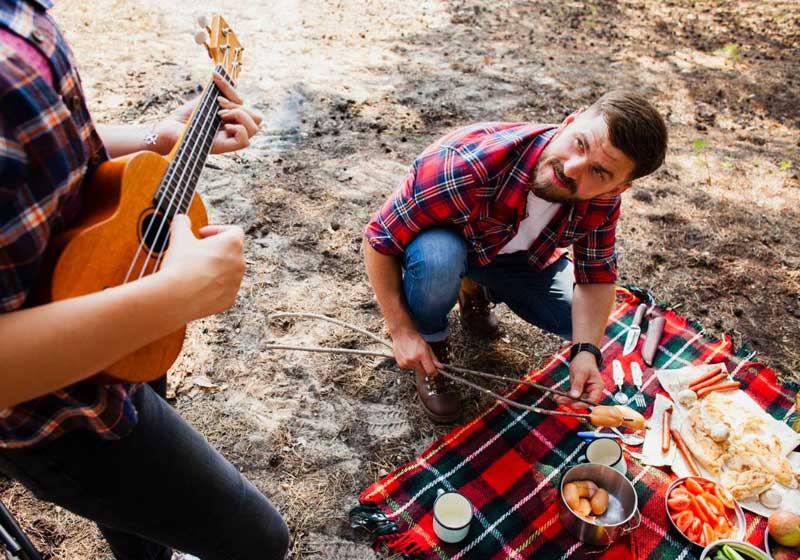
A compact camp stove perches on a flat rock, pots at the ready for a makeshift clambake: mussels and pipis bought from the market, tossed in with corn cobs, potatoes and smoky chorizo. Nearby, a cast-iron pan waits to kiss scallops with butter and garlic, the scent sure to drift down the track and turn heads.
In a national park clearing, another clan has created a full bush kitchen. A collapsible prep bench holds chopping boards, lemons, herbs and a bowl heaped with glossy cherries. A portable barbeque sizzles with prawns, their shells blackening, the meat turning coral-pink.
Kids race between the trees, sticky fingers and shrieks of laughter cutting through the cicada chorus. Elderly relatives settle into chairs in the shade, their hats askew, watching as this new version of the long lunch unfolds - less formal, perhaps, but no less full of care.
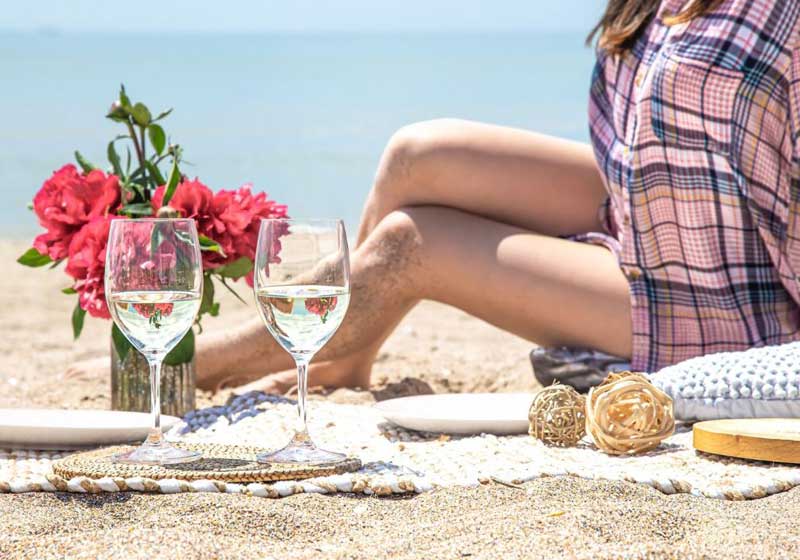
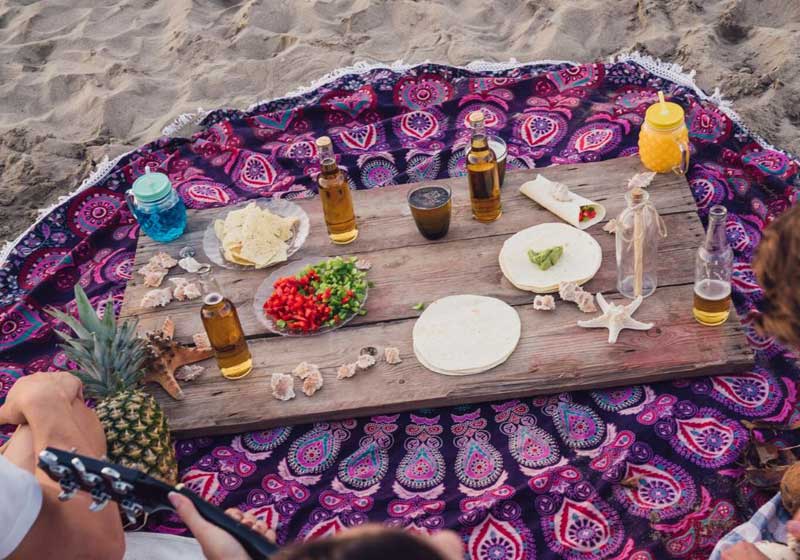
Down on a surf beach, where the shoreline is a blur of umbrellas and boards, one patch of sand looks different. A low table has been fashioned from milk crates and a plank, draped with a sarong. Around it: Turkish towels for seats, an impromptu centrepiece of driftwood and sea grass.
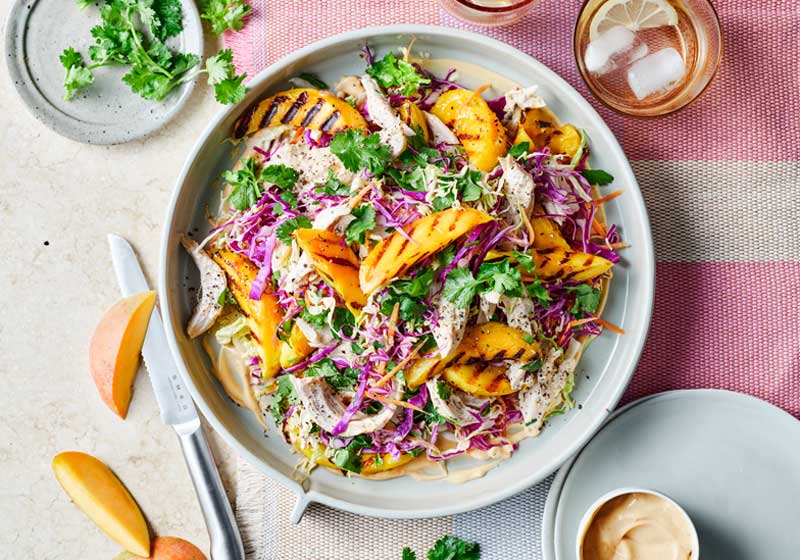
The menu is simple and plentiful: cold roast chicken sliced into rolls with crunchy lettuce, a bright salad of mango, mint and cucumber, a colossal pavlova protected like a treasure chest in a plastic cake carrier. After the first swim, everyone returns to graze, wet hair dripping on paper napkins, sea salt sharpening their appetite.
This is the new Australian long lunch: part campfire, part clambake, all heart.
There’s a quiet thrill in pulling it off. Timing the tide so the boat can still reach the sandbar. Checking fire bans and opting for gas burners or cold feasts when the country is too dry to risk an open flame. Lugging water, rubbish bags and shade, knowing you’ll carry everything out again. It’s logistics and lists and the odd forgotten item - but also an act of love. A decision to meet Christmas not at a table cut off from the world, but right in the middle of it.
Moments stack up as the day goes on. A cousin standing ankle-deep in water, peeling prawns and flicking shells to the gulls. Someone nodding off in a camp chair, straw hat over their face, while the Bluetooth speaker hums out a lo-fi rendition of ‘Silent Night’. A surprise pod of dolphins cresting just beyond the breakers, glasses lifted in a salty, sun-struck toast.
By the time the light softens and the first hints of evening creep into the sky, the wild dining rooms begin to vanish. Tables are folded. Eskies, lighter now, are hauled back to cars and boats. The beach, the bush, the bay all return to themselves.
What lingers is the memory of a Christmas lunch where the ceiling was a high blue dome and the walls were made of water, rock and gum leaf. Where the clatter of plates mingled with birdsong and wave-break. Where the food was as portable as the furniture, but the feeling - of freedom, togetherness and place - was something you couldn’t pack away if you tried.