By Marie-Antoinette Issa
To speak of "Spanish food” as a single cuisine is to miss the point entirely. Spain is less a unified culinary identity, but rather a mosaic of regional traditions shaped by geography, climate, language and history. From Atlantic coasts to Mediterranean shores, mountain villages to fertile plains, each region cooks with its own logic - and fierce pride.
What unites Spanish food is not uniformity, but restraint: an emphasis on great ingredients, simple techniques and flavours that speak clearly of place. To understand Spain’s cooking, you have to travel region by region and take a seat at Spain’s richly regional tables - including the six below.
Basque Country
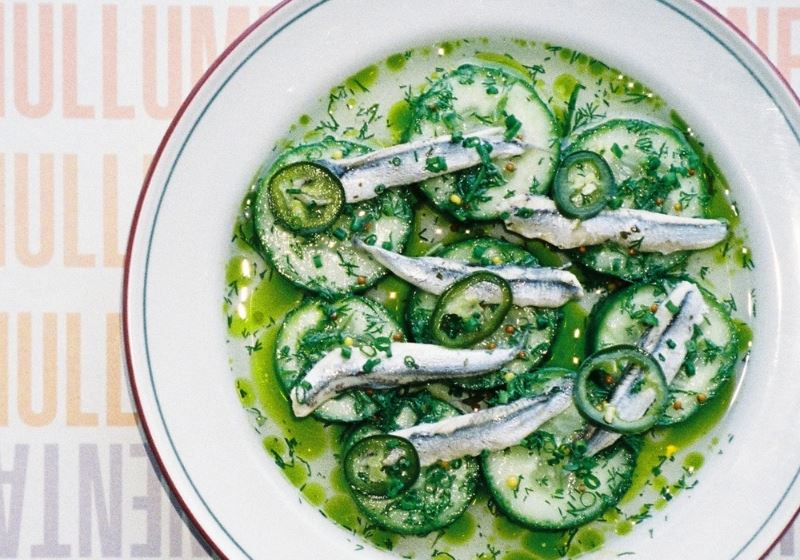
The Basque table is one of Spain’s most distinct, defined by proximity to the Atlantic and a deep respect for technique. Seafood dominates - hake, cod, anchovies and shellfish treated with precision rather than embellishment. Dishes like bacalao al pil-pil rely on emulsification rather than cream, coaxing richness from olive oil and fish gelatin alone. Pintxos culture turns bars into informal tasting rooms, where small bites showcase both tradition and innovation. It’s no coincidence that this region has produced some of Spain’s most influential chefs; the Basque approach values control, clarity and discipline.

Catalonia
In Catalonia, cooking is shaped by the meeting of mountains and sea. Known as mar i muntanya, this land-and-sea philosophy results in dishes that pair unlikely ingredients - chicken with prawns, cuttlefish with meatballs - bound together by slow-cooked sofrito and nut-based sauces like romesco. Tomatoes, olive oil and garlic form the backbone, while almonds and hazelnuts add body and richness. Catalan food is layered and thoughtful, balancing sweetness, acidity and depth with ease.
Andalusia
Sun-drenched and deeply agricultural, Andalusia’s cuisine is built for heat. Cold soups like gazpacho and salmorejo are not seasonal novelties but daily staples, offering refreshment and nourishment in equal measure. Olive oil is used generously, anchoring dishes of fried fish, vegetables and legumes. Moorish influences linger in the use of spices, almonds and vinegar, creating food that feels both ancient and immediate. Here, simplicity is survival - and flavour is non-negotiable.
Galicia
In the far northwest, Galicia’s cooking is shaped by rain, rugged coastline and cold waters. Seafood is the star, often cooked with startling restraint. Pulpo a la gallega - octopus with paprika, olive oil and salt - is emblematic of the region’s philosophy: let the ingredient speak. Potatoes, cabbage and pork feature heavily inland, reflecting a cooler climate and rural traditions. The food is hearty, honest and deeply tied to the Atlantic.

Valencia
Valencia’s cuisine is inseparable from rice. As the birthplace of paella, the region treats rice with reverence, favouring short-grain varieties cooked in wide pans to achieve the coveted socarrat - the crisped base. But Valencian food extends beyond paella: citrus fruits, vegetables and seafood define the table, reflecting fertile farmland and coastal access. Flavours are clean, bright and precise, grounded in seasonality rather than excess.
Castile-La Mancha
Often overlooked, Castile-La Mancha represents Spain’s interior soul. Landlocked and historically austere, its cuisine is rooted in preservation and practicality. Dishes like migas, pisto manchego and roast lamb rely on a few ingredients treated with care. Manchego cheese, aged and robust, is a defining product. This is food born of endurance, where flavour is coaxed from simplicity rather than abundance.
Together, these regions reveal why Spanish cuisine resists easy categorisation. It is not defined by tapas alone, nor by paella or cured ham, but by an understanding that place matters. Spain’s food is regional by necessity and by choice - a reminder that some of the most compelling cuisines are those that refuse to be singular.