By Leigh O’Connor.
A long lunch is less a meal and more a slow unfurling - an afternoon designed to loosen shoulders, soften conversation and let flavours meander in gentle, rising arcs. It’s a structure you build with intention, like a house made of sunlight and appetite.
The key isn’t just what you cook, but how the meal moves: how it breathes, how it creates pauses, how it keeps guests buoyant rather than bowled over before the mains even appear.
Start by thinking of the table as a landscape. You want early dishes that encourage lingering, not lunging. Something guests can nibble on as the first glass clinks - crisp vegetables standing tall in chilled bowls, olives slicked with oil, a delicate pâté spread thin on grilled bread that can be taken or ignored. These aren’t courses; they’re the opening notes, the gentle clearing of the throat before the overture. Their job is simple: to slow everything down.
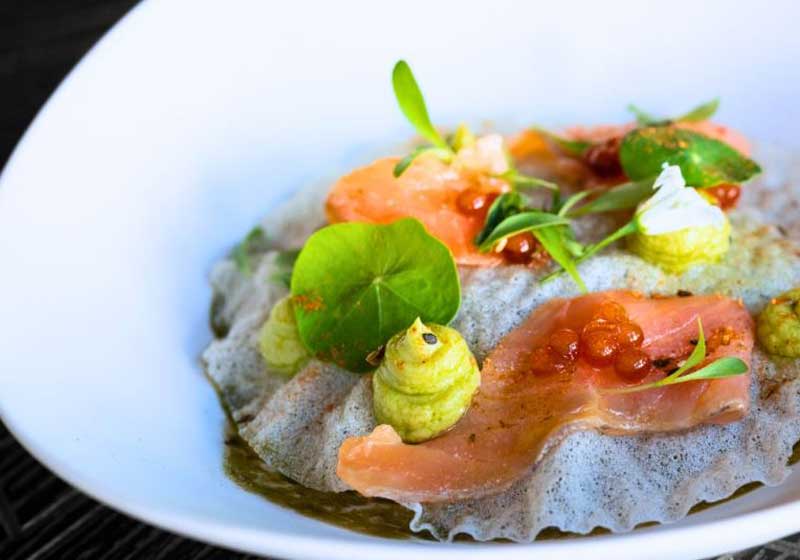
The first true plate should be bright, invigorating, and a little surprising. Acid is your ally here - citrus, vinegar, pickled something. Dishes that stay lively even as they bask in warm air. Think thin slices of fish cured in lime, or tomatoes dressed in a vinaigrette that gets better as it sits. These flavours flick on the lights inside your guests; they wake the palate without stealing the runway.
Every long lunch needs moments of drift - the natural pauses that make time feel elastic. Build these into the menu like rest stops. A platter passed around, a bowl that needs refilling, a bottle that requires uncorking. These tiny breaks are structural supports: they prevent overwhelm, they allow conversations to bloom and they make the meal feel expansive rather than demanding. A long lunch should feel like a conversation between dishes, not a lecture.
Heat is another architectural challenge. A menu built for endurance cannot collapse because the sun decided to lean a little closer. Choose dishes that hold their dignity as temperatures rise. Slow-cooked meats that rest easily, grains that absorb flavour rather than wilt, salads that rely on crunch and oil instead of cream. Think of dishes that are better warm than hot, better relaxed than rigid.

As you rise toward the middle of the meal, build flavour with intention. This is where depth arrives - herbs that have their sleeves rolled up, spices that hum low and steady, sauces enriched with stock or wine.
Resist the temptation to hit maximum richness too soon. A long lunch isn’t an ascent to heaviness; it’s a gentle climb toward satisfaction. Let the savoury notes accumulate like shadows in the late afternoon - there, but never oppressive.
By the time the mains arrive, guests should feel anticipation, not fatigue. This is where restraint pays off. A main for a long lunch should feel grounded but not heavy. A roast chicken with lemon and thyme, lamb pulled gently from the bone, fish baked with herbs that shimmer rather than shout.
Surround them with sides that invite exploration - a bowl of green beans glossed in olive oil, potatoes scored and roasted until they bloom, a tangle of bitter leaves that cuts through the comfort.
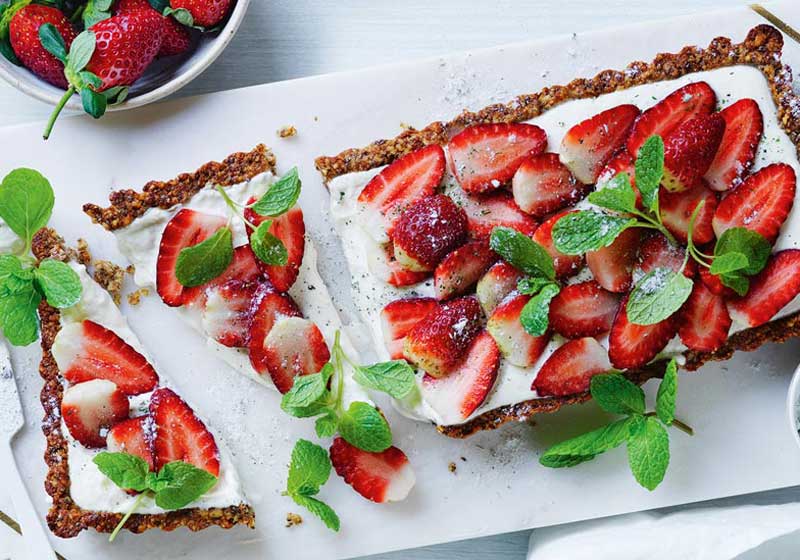
Then, the soft landing. Dessert must soothe. Think fruit that glistens, creams that don’t cling, pastries with air between their layers. Sweetness should feel like a gentle exhale, a final sunlight on the tablecloth before the day tilts toward evening.
A long lunch is architecture, yes, but it’s also rhythm, generosity and grace. Build your menu not for spectacle, but for stamina - for the kind of slow joy that keeps guests lingering long after the last plate is cleared, unwilling to let the afternoon end.