There’s a front door to every neighbourhood café and then there’s the door you actually walk through. The second one isn’t timber or glass. It’s atmosphere - a kind of soft threshold you step over when you need to be among people without being required to perform.
The café is a cultural institution not because it declares itself one, but because we keep returning to it for the ordinary rituals that add up to a city’s character. More than food, less than fine dining, but everything in between: a place where value is measured in belonging as much as in taste.
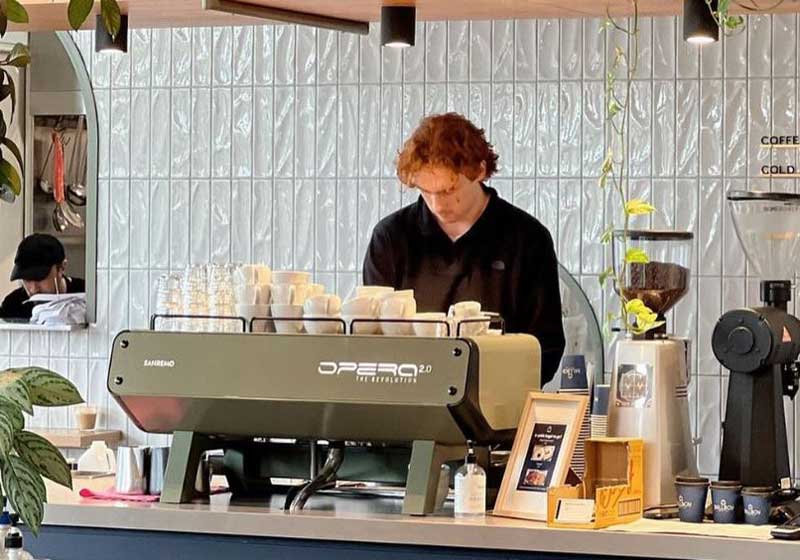
In Melbourne in the 1950s, cafés were small revolutions with saucers. Post-war European migrants - Greeks, Italians, Maltese - brought espresso machines, cakes that didn’t come from a sponge-and-cream blueprint and a habit of lingering.
The café went from milk bar stopover to a new kind of salon. Brunswick Street and Lygon Street learned a different tempo: conversations that didn’t hurry, tables that weren’t cleared the second a cup emptied. A city that once drank tea in separate rooms began to gather in public, shoulder to shoulder, learning how to be cosmopolitan one short black at a time.
Sydney’s migrant cafés in the 1980s were a different chapter, but the same story: coffee as social glue. In suburbs where accents were still treated like a border, the local café offered a softer map.
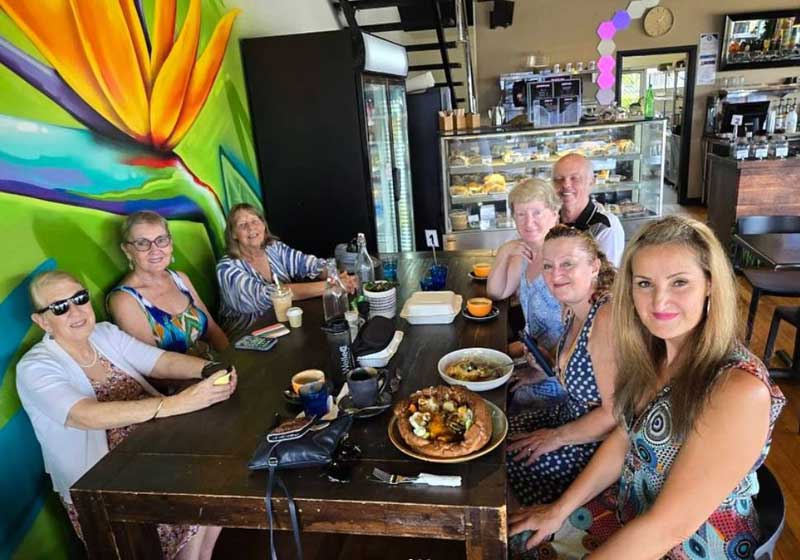
Lebanese, Vietnamese, Turkish, Chinese, Italian and Greek families turned shopfronts into points of contact. You could watch a city changing in the steam of a cappuccino - teenagers learning to order across languages, tradies queuing beside office workers, elders holding court at the same table every morning. These cafés were economic footholds, yes, but they were also cultural bridges. They made neighbourhoods legible to themselves.
Today’s model is evolving fast - stripped-back minimalism in one postcode, maximalist comfort in the next. There are single-origin temples and messy all-day diners, laptop cathedrals and espresso bars built for standing. Yet the throughline remains: the café is still a third place, that vital in-between of home and work where civic life actually happens. It’s the city’s living room. The one with mismatched chairs and a playlist that becomes a shared mood.
Creative culture doesn’t just visit cafés; it comes out of them. They’re the unofficial studios for writers who need light and background hum, the rehearsal spaces for friends building a band in theory, the meeting rooms for start-ups before they have a logo.
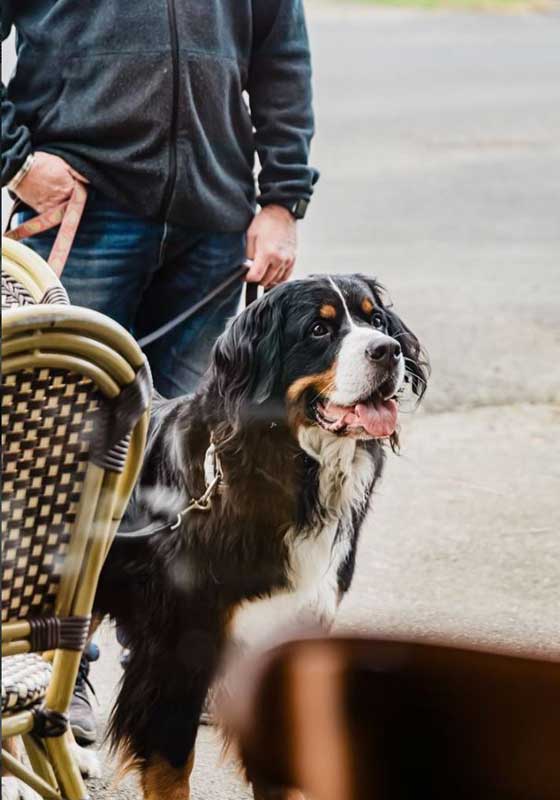
Cafés are canvases too - for local art pinned to brick walls, for community noticeboards cluttered with lost cats and poetry nights, for the personalities of baristas who shape a room as much as the fit-out does. A good café makes you feel like something might happen. A great one makes you feel like you’re part of it.
Yes, they’re political. Not in grandstanding ways, but in the quiet democracy of shared space. Cafés are where petitions get signed, where union reps meet after hours, where organisers plan behind a laptop that looks like any other. They’re where elections are dissected the morning after, where local issues are argued and softened and argued again. The café teaches us how to disagree without leaving. That matters.
Look closely at any good neighbourhood café and you’ll see a city practising itself: the regulars who are recognised, the newcomers who are welcomed, the rhythm of takeaway and stay-a-while, the subtle choreography of a bustling morning.
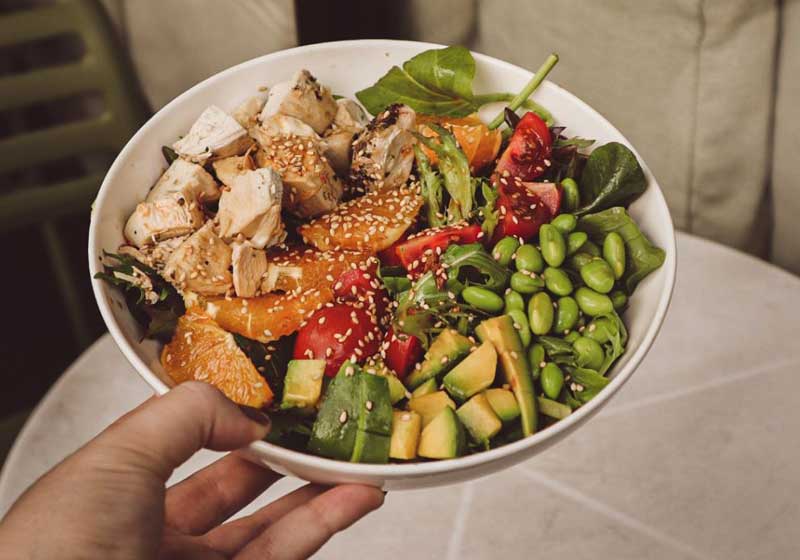
These places hold memory. They witness our first dates and last conversations, our celebrations and our private griefs conducted in public because we don’t want to be alone. The café endures because it meets us at human scale. It says: come as you are, sit for a bit, let the world pass through. In doing so, it becomes part of what the world is.