By Marie-Antoinette Issa.
When the calendar flips to January 1, many of us toast with Champagne, pointy paper party hats and fireworks highlighting the sky. The world has many New Year's, each celebrated on a different date, steeped in unique traditions, rituals and, of course, extraordinary food.
From the fragrant spice markets of Tehran to the lantern-lit streets of Hanoi, marking the New Year is less about the date and more about connection, renewal and, naturally, indulgence.
Lunar New Year – East Asia’s Feast for the Senses
Perhaps the most globally recognisable alternative New Year is the Lunar New Year, celebrated across China, Vietnam, Korea and other East Asian countries. In 2026, the Year of the Horse will begin on February 17, bringing with it a frenzy of culinary and cultural activity.
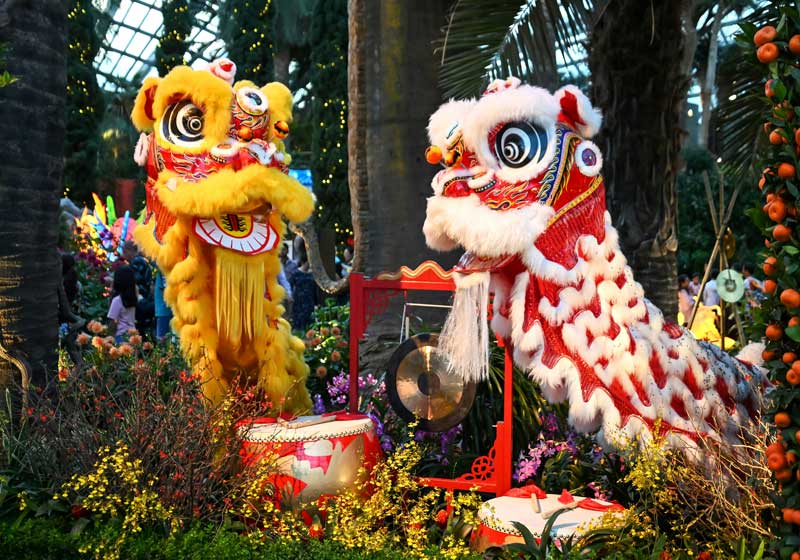
Food is central to the festivities. In China, dumplings shaped like ancient silver ingots symbolise wealth, while longevity noodles are slurped with gusto to usher in health and long life. Sweet sticky rice cakes, or nian gao, are exchanged between friends and family as a gesture of hope and prosperity.
In Vietnam, Tet celebrations see banh chung – square sticky rice cakes filled with mung beans and pork – appear on almost every table. Lanterns, red envelopes and dragon dances create a visual spectacle, but it is the food that anchors the celebration, drawing families together around shared history and flavours.
Hindu New Year and Diwali – Light, Food and Renewal
Several regions in India celebrate the New Year at different times, often tied to the lunar calendar, but the most widely recognised is Diwali, the festival of lights. Though primarily a celebration of light over darkness, it is also considered the start of a new year for business communities.
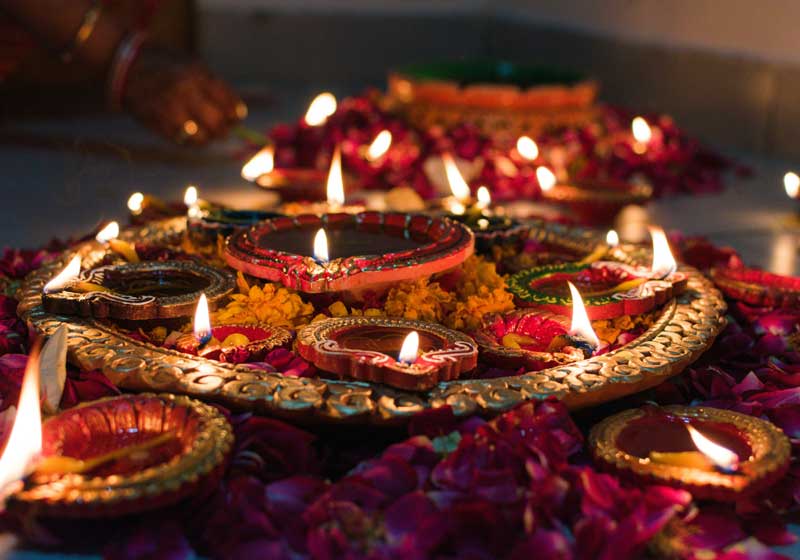
In western India, markets brim with sweets like ladoos, barfis and jalebis, each rich in texture and symbolism. Savoury snacks such as namak para and samosas are served to family and friends and ritualistic meals are often offered to the Gods before being enjoyed by celebrants. Fireworks, diyas (oil lamps) and elaborate rangoli patterns complete the sensory feast, creating an atmosphere of abundance, hope and togetherness.
Nowruz – The Persian New Year
Marking the vernal equinox around March 20, Nowruz is a 3000-year-old festival celebrated across Iran, Central Asia and parts of the Middle East. The name means ‘new day’ and its customs revolve around renewal, rebirth and generosity.
The Haft-Seen table is the culinary and symbolic centrepiece. Seven items beginning with the Persian letter ‘S’ are displayed, each representing a different blessing: wheat or barley for rebirth, garlic for medicine, apples for beauty, vinegar for patience, coins for wealth, sprouts for growth and a sweet paste or sumac for health.
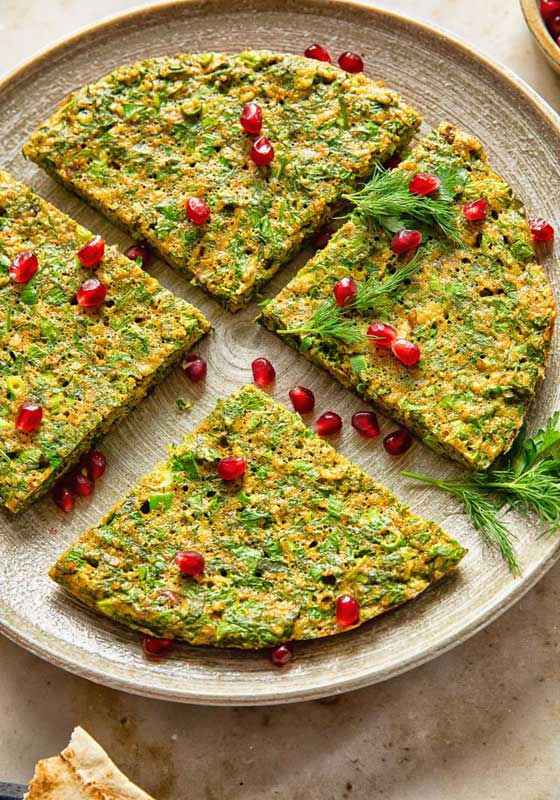
Feasts often feature sabzi polo mahi, a fragrant herb rice served with fish and kuku sabzi, a green herb frittata that celebrates the lushness of Spring. Guests leave the table nourished in both body and spirit, carrying wishes of good fortune into the coming year.
Enkutatash – The Ethiopian New Year
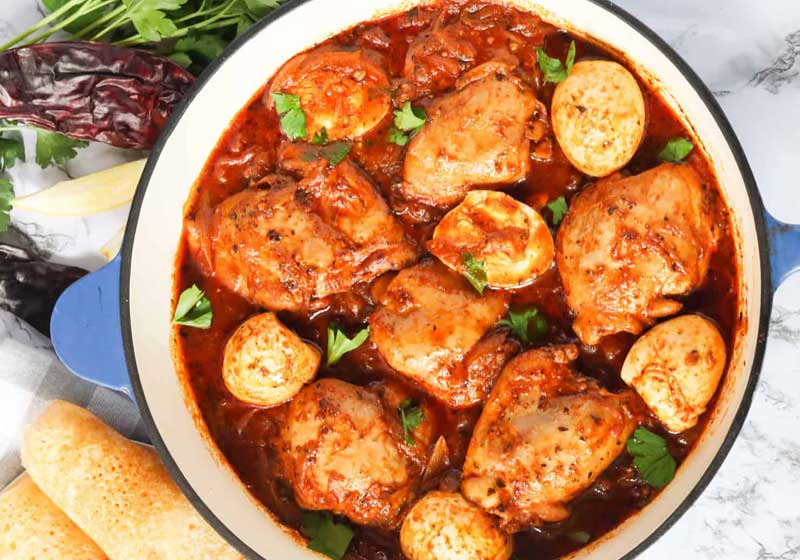
Ethiopia marks its New Year, Enkutatash, in September, coinciding with the end of the rainy season. Traditionally linked to the Queen of Sheba’s return to Ethiopia, it is celebrated with flowers, singing and communal meals. Ethiopian families gather over injera, spongy flatbread made from teff, accompanied by doro wat (spiced chicken stew) and lentil stews.
Honey wine or tej, often accompanies the feast. Enkutatash is as much about feasting as it is about generosity, with children offering friends and neighbours bouquets of bright yellow meskel flowers, symbolising renewal.
Rosh Hashanah – The Jewish New Year
For Jewish communities worldwide, the New Year, or Rosh Hashanah, occurs in early Autumn, typically September or October. It is a time for reflection, renewal and, importantly, sweet flavours that symbolise a sweet year to come.
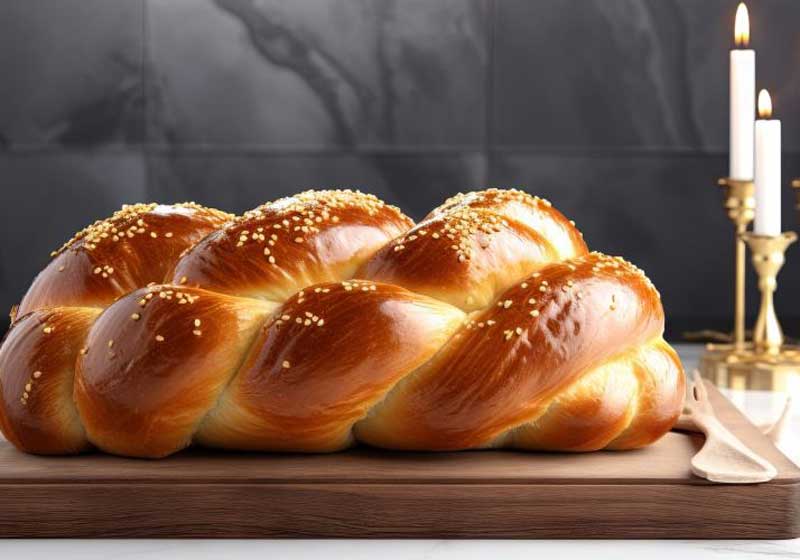
Traditional food includes apples dipped in honey, round challah bread symbolising the circle of life and pomegranate seeds, which represent the 613 mitzvots (or commandments) of the Torah. In Israel and Jewish households abroad, honey cake, tzimmes (a sweet carrot and fruit stew) and brisket make frequent appearances on the festive table. The combination of ritual, prayer and indulgence ensures that the new year is both contemplative and celebratory.
A Year of New Flavours and New Traditions
Exploring New Year celebrations beyond December 31 is a delicious reminder that time, like food, is celebrated differently across cultures. Each festival is a tapestry of ritual, meaning, and, most memorably, flavours.
Whether it’s a sticky rice cake in Hanoi, a fragrant herb frittata in Tehran or honey-soaked apples in Tel Aviv, the universal message is the same: nourish yourself, celebrate with those around you and welcome the future with intention and joy.