By Leigh O’Connor.
There is a quiet rebellion hidden in the slow clink of cutlery, in the gentle pause between courses, in the way sunlight drifts lazily across a table set for more than nourishment. A long lunch is never just a meal.
It is a refusal - a soft but steady one - against the cadence of a world that measures worth in speed, output and constant motion. In a culture intoxicated by urgency, choosing to linger becomes an act of defiance.
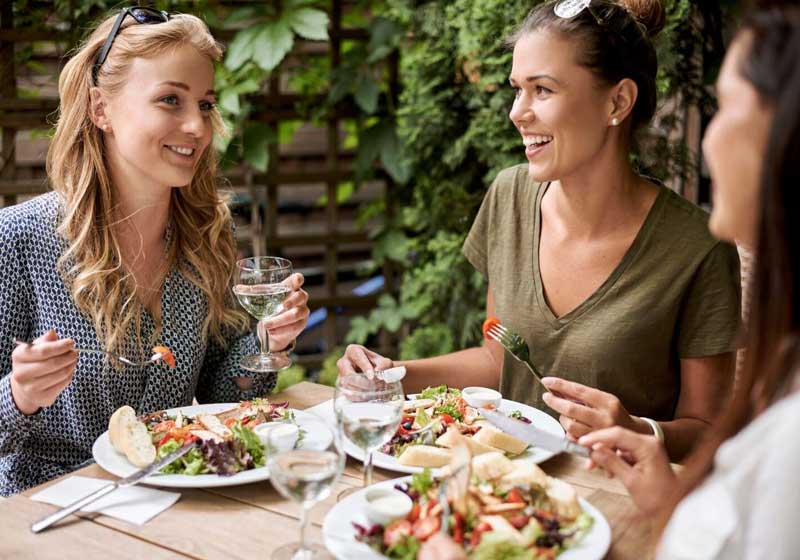
A long lunch begins long before the first plate arrives. It starts with the decision to be unhurried, to allow time to stretch like warm dough beneath the hands of a baker. When you sit, there is no mental countdown ticking in the background.
The phone is turned face-down or tucked away, its digital pulse quieted. Conversation unfolds not as a transaction of information but as a meandering river - smooth in some places, riotous with laughter in others, sometimes pausing entirely just so you can watch steam curl from a shared bowl or admire the way light catches a wine glass.
Food at a long lunch is not designed for haste. It demands presence. The crust of freshly baked bread still carries the whisper of the oven; the olive oil is grassy and sharp, urging you to slow your bite so you don’t miss the subtleties.
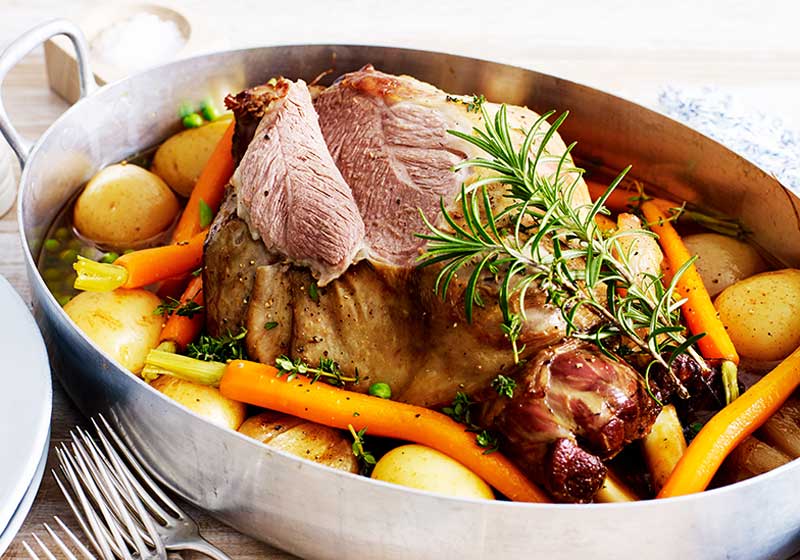
A slow-braised shoulder of lamb collapses under the gentlest nudge of a fork, its tenderness the product of hours - literal hours - of patience. Dishes arrive as punctuation rather than exclamation marks, each one giving the table a moment to breathe, to converse, to return to itself.
There is something grounding about watching a meal unfold at its own pace. Time stops behaving like an adversary. It loosens, expands, softens. Instead of racing forward, it ambles beside you. This suspension is rare, especially in a world where lunch is often inhaled between meetings, eaten standing up, or forgotten entirely. The long lunch asks you to taste, to notice, to let your senses have the reins for once.
In this slowing, connection flourishes. Stories emerge that might otherwise stay buried beneath the day’s demands. People reveal themselves in the spaces where hurry cannot survive. You find yourself listening more fully, laughing more easily, remembering what it feels like to be deeply, luxuriously present. A long lunch becomes a kind of communion - between people, between plate and palate, between self and moment.
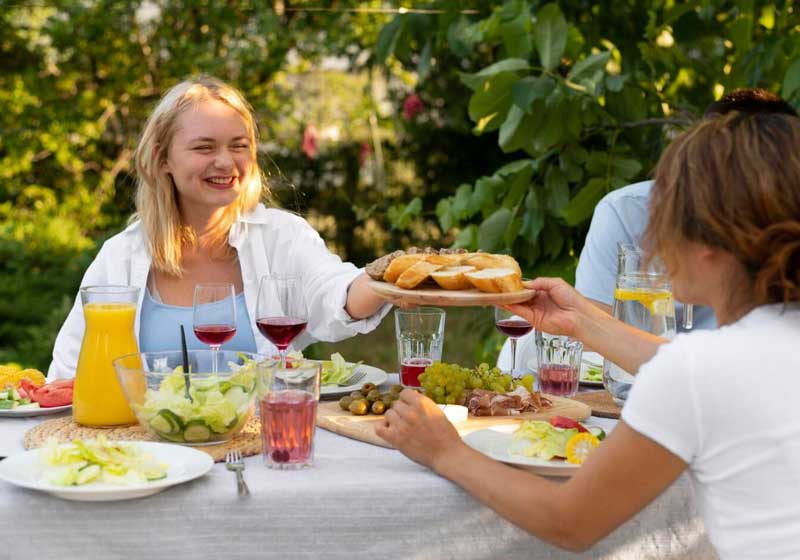
As the meal stretches into the afternoon, shadows lengthen across the table. Plates empty. Glasses refill. No one is in a rush to leave. The world outside continues its relentless spin, but here, in this pocket of stillness, life feels richer, more textured. When you finally rise, the act of standing feels like returning from somewhere sacred.
A long lunch does not change the pace of society, but it changes us. It reminds us that time is not only something to spend or manage - it is something to savour. Sometimes, the most radical thing we can do is to sit down, share a meal and let the world wait.