A continent doesn’t get built on grand gestures alone. It rises on the everyday, on the small acts that repeat until they become culture. If you listen closely to kitchens across Australia, you’ll hear it: the clink of a spoon against a jar, the soft squeeze of a bottle, the quick shake over a plate held in one hand.
Sauces, more than almost anything else, have been our shorthand for home, our passports, our peace treaties, our rebellions. They’re the edible punctuation marks of a wide, not-always-agreeing nation.
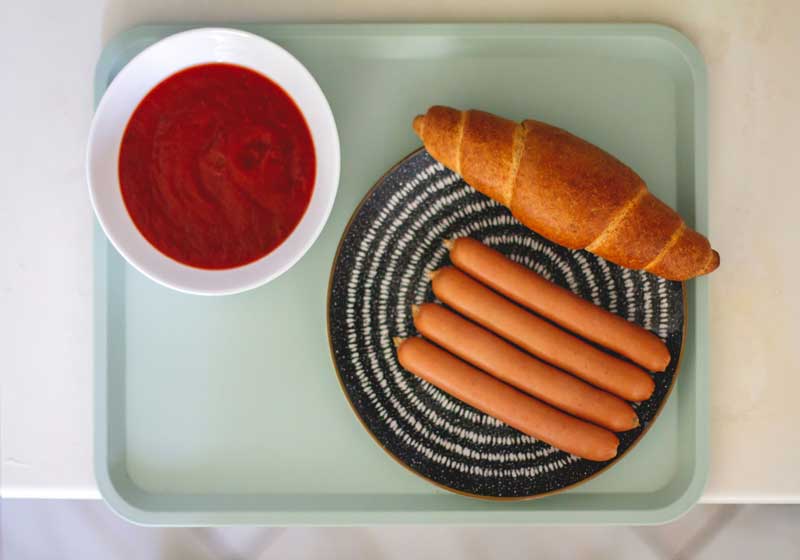
Start with tomato sauce - not ‘ketchup’, never ketchup - the sweet-tangy red thread stitched through childhood. It’s there in the paper bag warmth of fish and chips on a windy foreshore, soaking the corner of the chips until you race to eat that best bit first.
It’s smudged on the edges of sausage sizzles outside Bunnings, dripping down a slice of white bread that’s doing its best with the job it’s been given. Tomato sauce is democracy in a squeeze bottle: no one’s too fancy for it and if they are, we don’t entirely trust them.
Then there’s barbeque sauce, the smoky, sticky cousin that showed up when backyards grew bigger and Summer afternoons stretched longer. It’s the smell that clings to your shirt after a family cook-up, the taste of char and laughter and "just one more snag.”
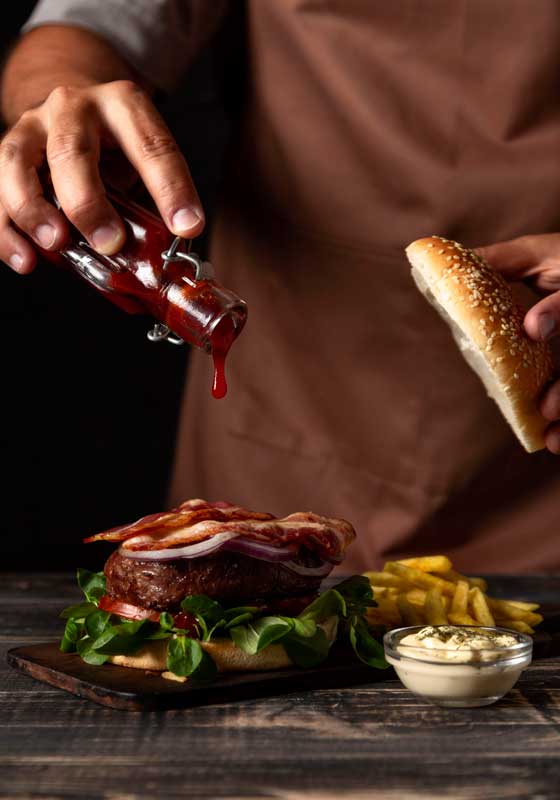
BBQ sauce doesn’t ask permission; it turns leftovers into feasts and Tuesday dinners into something that feels like a holiday. It’s optimism with a molasses backbone.
The continent wasn’t built on Anglo sauces alone. It grew with arrivals, with suitcases and recipes, with nostalgia tucked into jars. Soy sauce became as normal as salt in countless homes, a quiet testament to postwar migration and the way kids learn flavour faster than prejudice.
Oyster sauce slid into stir-fries, then into spaghetti bolognese when no one was looking and it somehow made sense. Sweet chilli sauce turned up at parties in a plastic bowl beside spring rolls and stayed to become a weeknight hero - glossy, garlicky, a gentle heat that was an invitation, not a dare.
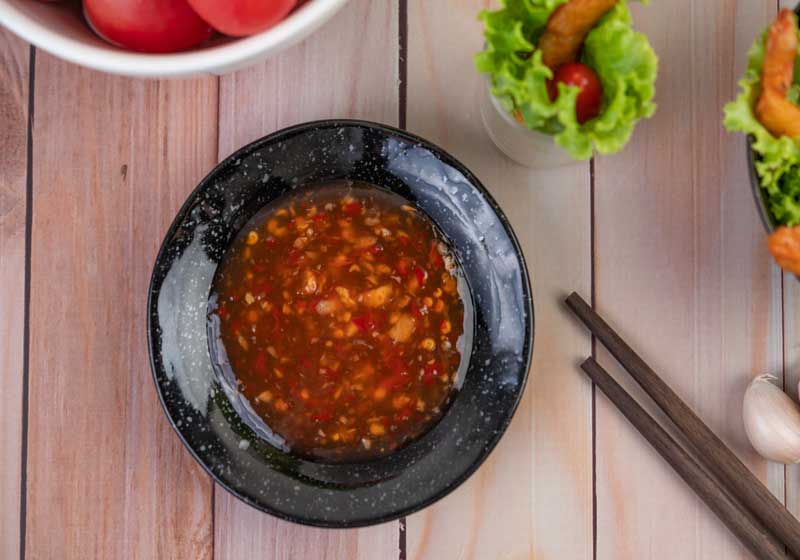
Hot sauces, too, have a story. Once a niche badge of bravery, they now line supermarket shelves like a bright, spicy flag of how far our palates have travelled. Sriracha, sambal, harissa, peri-peri - each one a little map of another place that, over time, became part of this place. The thrill isn’t just the burn; it’s the way a drop can pull you back to a night market, a mate’s mum’s kitchen, a late snack that tasted like belonging.
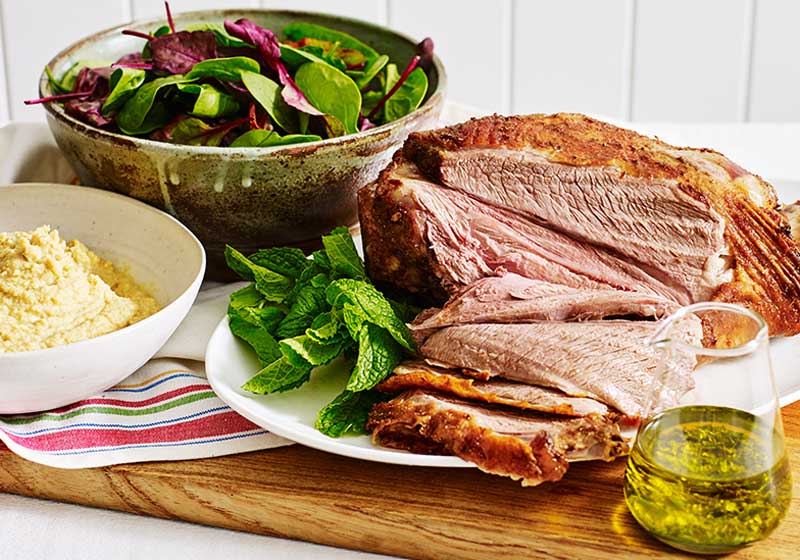
Then there are the sauces that feel uniquely ours. Chicken salt’s partner-in-crime is gravy: thick, peppery, poured so generously over chips that it turns the tray into a shared event. Mint sauce with lamb at family tables where the roast is both comfort and tradition. Beetroot relish on burgers that refuse to be modest, because why should they be?
Even Vegemite, in its spreadable, umami way, is a kind of sauce - a salty, stubborn love letter that you learn to read properly when you grow up here.
What ties them all together isn’t some tidy national narrative. It’s the mess, the mingling, the improvisation. Sauces are how we translate ourselves to each other. They’re how a new neighbour’s dish becomes "something we should make again,” how a kid discovers the world without leaving the table, how a country learns to taste its own diversity and go back for seconds.
Yes, a continent was built on wool, gold, grit and argument. It was also built on sauce-stained fingers, on bottles passed across picnic rugs, on recipes adapted mid-stream, on the quiet joy of finding the right flavour for the moment. In the end, the story of Australia isn’t just what we eat - it’s what we pour over it and who we share it with.