Umami doesn’t announce itself like chilli heat or citrus tang. It arrives the way dusk does - quietly, then all at once - settling on the tongue with a depth that feels less like a flavour and more like a place.
The fifth taste is often described as savoury, but that word is too small for what umami really does. Savoury is a label; umami is a spell. It makes soups taste like they’ve been tended all day, vegetables feel more alive and a single bite of something simple - a rice ball, a noodle broth, a slice of tomato - feel strangely complete.
Discovered in Japan in the early 1900s, umami came into language late, but it has lived in Asian kitchens forever. It’s the backbone of comfort food and celebratory feasts alike: the reason ramen broth tastes like a hug, why kimchi fried rice feels restorative, why a simple stir-fry can taste like it has a secret.
The chemistry is well mapped now - glutamates, inosinate, guanylate - but the craving is older than science. Umami is the taste of nourishment, of protein and ripeness and fermentation. It’s what tells the body: this will sustain you.
Take dashi, the shimmering soul of Japanese cooking. Made from kombu and katsuobushi, it’s a broth so clear it looks delicate, yet it carries a thunderous savouriness. Dashi doesn’t shout; it hums.
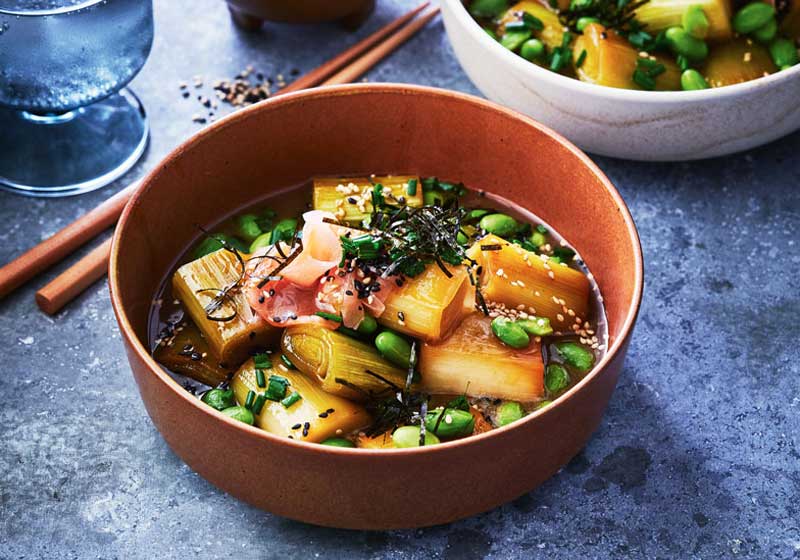
It’s the quiet force beneath miso soup, the lift in a bowl of Udon, the thing that makes tofu taste more like itself. Add miso - soybeans fermented into a paste that smells faintly of earth after rain - and you get umami that’s warm, rounded and almost buttery. Miso’s magic is time: months, sometimes years, turning beans into something deeper than the sum of their parts.
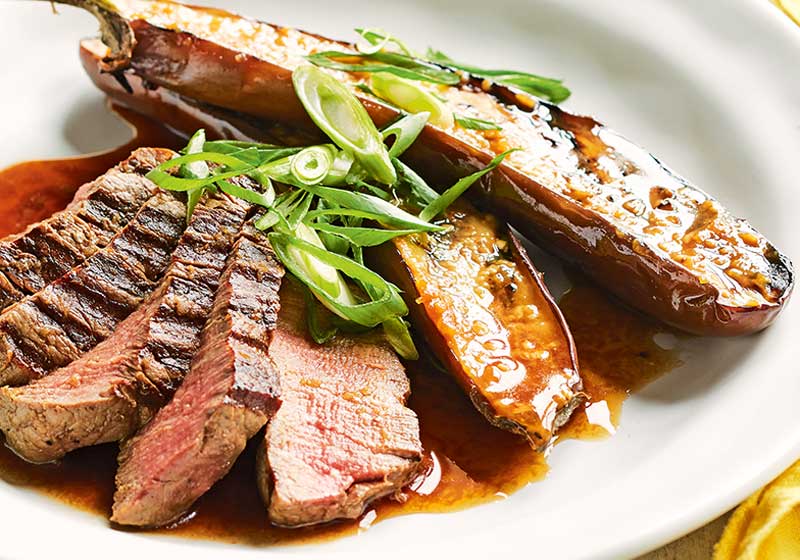
Soy sauce is another slow miracle. A few drops can turn grilled eggplant into something meaty, transform plain rice into a meal, or make a dipping sauce feel like a memory. Fish sauce goes further still. It’s polarising in the bottle - pungent, briny, unapologetic - but in food it becomes liquid gold. It slips into curries, salads, marinades and wakes everything up, like turning up a dimmer switch you didn’t realise was there.
Then there are the umami wildcards: fermented shrimp paste, tiny crustaceans broken down into a salty, funky concentrate that makes Southeast Asian dishes ring with intensity. Dried mushrooms, especially shiitake, that smell like forest floor and add a dark, velvety bass note to broths and braises. Fresh mushrooms seared until their edges crisp, releasing guanylate-rich juices that taste almost like roasted meat. These are ingredients that don’t just season - they build architecture.
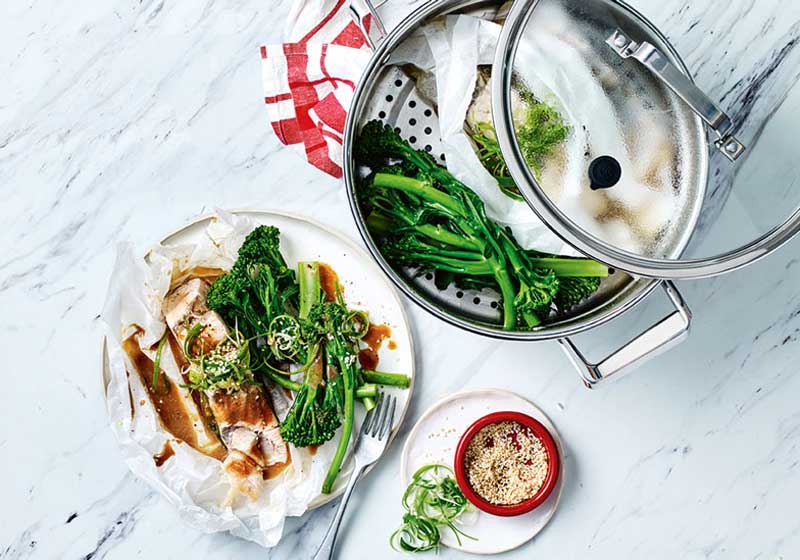
Ask Chefs why umami still rules and the answers are less about trend, more about truth. One Chef called dashi "the quiet backbone - you don’t see it, but you feel it in every bite.” Another swears by a "miso-butter glaze” as a single-step shortcut to depth: "It’s sweetness, salt, funk and silk in one hit.”
A third keeps a jar of XO-style condiment in the fridge - dried scallop, shrimp, garlic, chilli - and laughs that it’s their "midnight umami bomb,” spooned over noodles, eggs, even steamed greens. Someone else says their greatest weapon is mushroom powder: "It’s like turning vegetables into themselves, but louder.”
That’s the holy grail: umami makes food taste more like food. It amplifies without masking, deepens without heaviness. In an era where Chefs chase novelty and diners chase the next big thing, umami remains stubbornly essential because it’s not a trick.
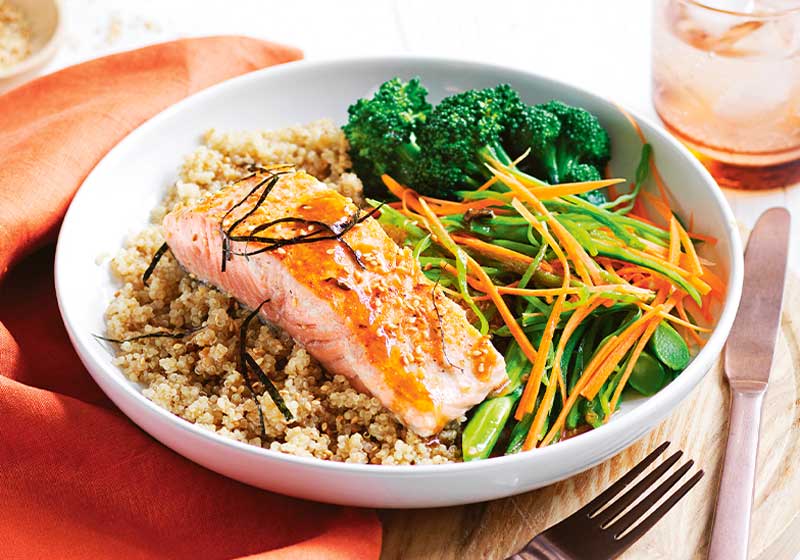
It’s a language of care - of stockpots left to burble, of ferments watched over, of ingredients allowed to become their richest selves. Long after the last crunch of salt or flicker of acid fades, umami is what lingers, a slow, satisfied echo that says: yes. More of that.