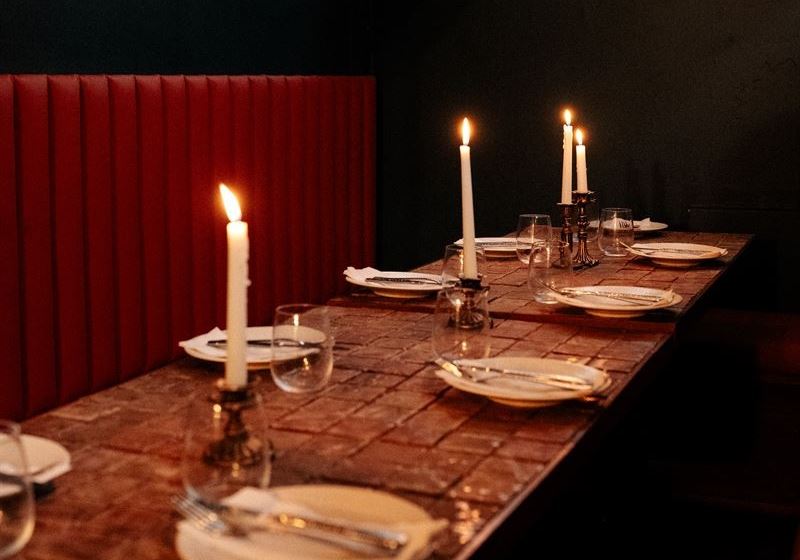
Salt is the first hush and the last echo. It wakes the tongue, sharpens sweetness, tethers heat to earth. Across Asia it arrives as sea spray on dried fish, as soy-dark depth in a bowl of noodles, as the crackle of tamarind-salt on green mango.
Fat follows like silk. It carries aroma on its back: ghee blooming with cumin, coconut milk rounding a curry’s edges, pork lard turning rice into comfort. Acid is the bright knife, quick and cleansing. Think calamansi in pho, black vinegar in dumpling dip, lime cutting through sambal, pickled mustard beside steaming congee.
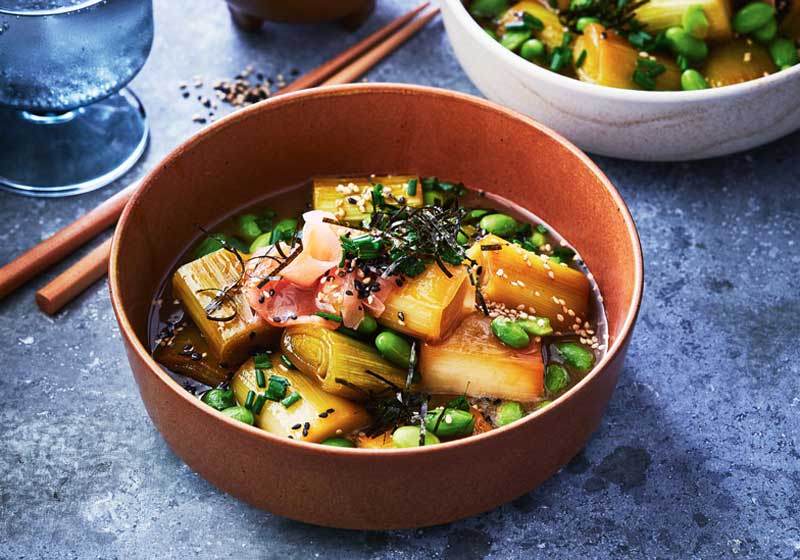
Asia is the stage - markets, woks, monsoons, mountains - where these forces learn to dance together. In every region, they shift accents - miso and sesame, fish sauce and palm sugar - yet the feeling stays the same. When salt fat, and acid meet this chorus, food becomes memory you can eat: briny, lush, lively and endlessly returning homeward always.
Come on a voyage of food discovery with us this week…
Umami doesn’t announce itself like chilli heat or citrus tang. It arrives the way dusk does - quietly, then all at once - settling on the tongue with a depth that feels less like a flavour and more like a place.
The fifth taste is often described as savoury, but that word is too small for what umami really does. Savoury is a label; umami is a spell. It makes soups taste like they’ve been tended all day, vegetables feel more alive and a single bite of something simple - a rice ball, a noodle broth, a slice of tomato - feel strangely complete.
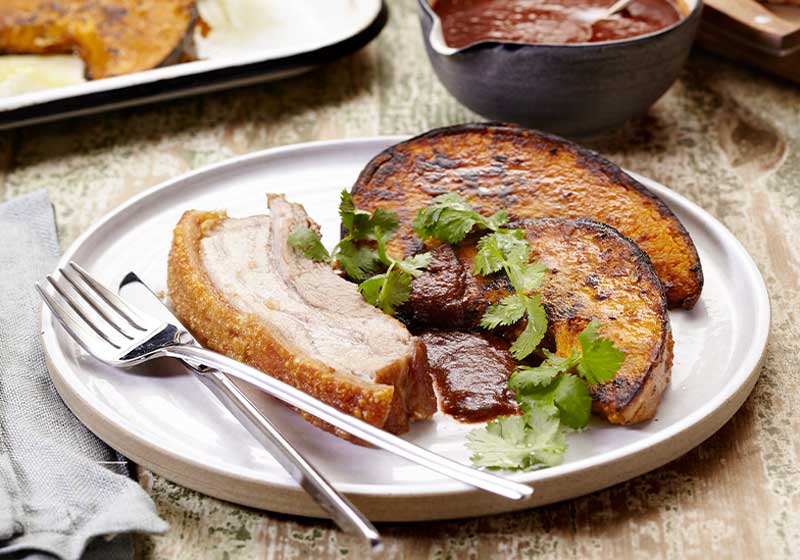
The first lesson in many Asian kitchens isn’t a recipe but a sensation: pork belly meeting heat, fat turning liquid and fragrant, the pan answering with a soft, satisfied sizzle. The air thickens with soy and caramel, with garlic bruised under the blade, with the kind of hunger that feels inherited. Long before nutrition became a modern religion, cooks across Asia understood something elemental: fat carries flavour home.
Across the continent, richness is not treated with suspicion. It is treated as an essential force. Think of Shanghai pork belly, lacquered and trembling, half meat and half silk. Bangkok curries that shimmer with coconut cream, glossy as wet paint, perfumed with lemongrass and galangal.
Acid is the firework you don’t see coming. Not the slow warmth of chilli or the deep lull of smoke, but the sudden, bright crack that makes your mouth sit up straight. In Asian kitchens, sharp flavours don’t just keep the peace - they start the party.
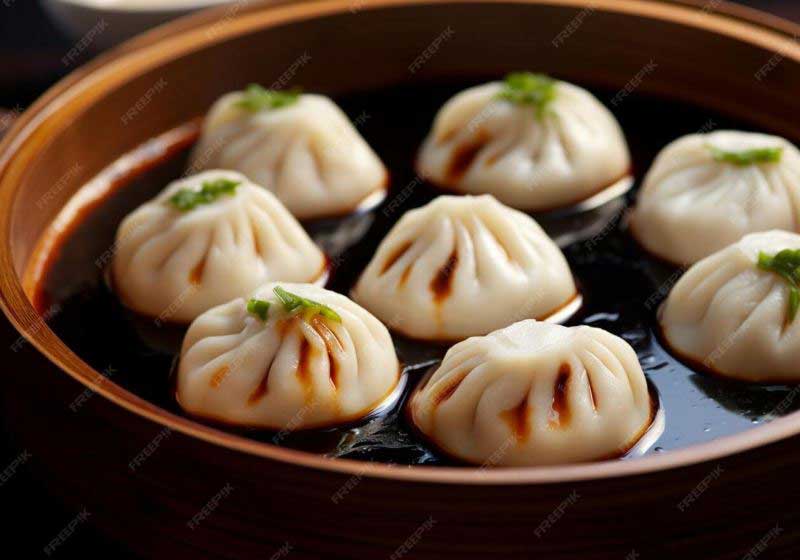
They slice through richness, wake up sleepy ingredients and tug a dish toward something more alive. Sourness is a verb here, not a supporting character. It bites, sings and insists on being noticed.
Plus, check out why we crave heat and sour at the same time, the sauces that built our continent and chewing the fat…for dessert!