By Leigh O’Connor.
Planting with purpose is a quiet kind of hope. It’s stepping into the garden not just to fill a bed, but to build a small, living community where each plant has a role and every pairing tells a story.
Companion gardening is the art of choosing those stories well - listening to what plants offer each other and letting that help you shape a space that feels abundant, balanced and a little bit magical.
Start by thinking of your garden as a neighbourhood. Some residents are generous hosts: they welcome others in, make life easier and gently keep trouble away. Others are a bit delicate, needing the right friends close by. The trick isn’t perfection; it’s relationship.
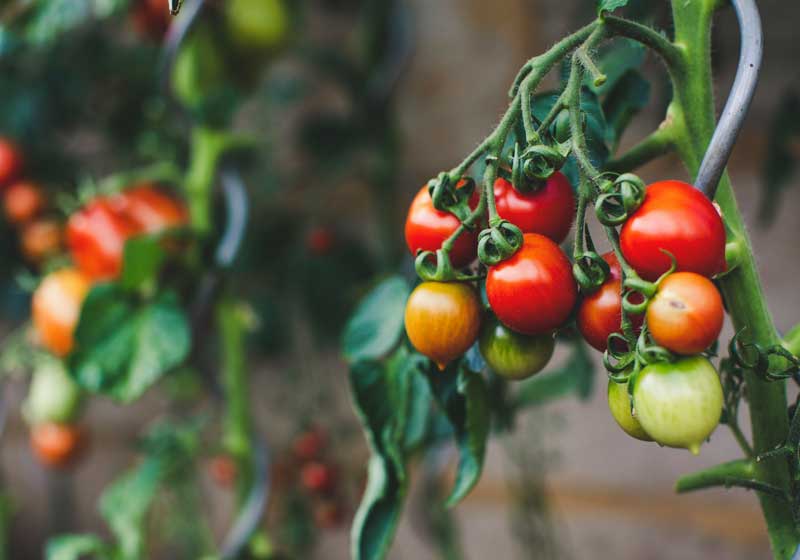
When you plant basil beside tomatoes, you’re not just saving space - you’re creating a partnership. Basil’s scent drifts through the leaves like a soft warning to pests, while tomatoes lend shade and structure in return. Together they grow fuller, healthier, like friends who bring out the best in one another.
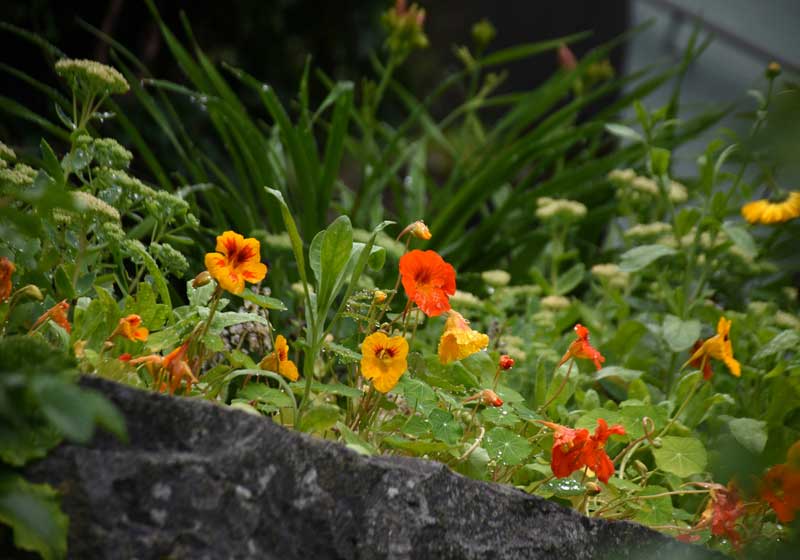
Purpose also means protection. Nasturtiums, with their bright, tumbling blooms, are the brave decoys of the garden. Aphids adore them, sometimes more than your vegetables do. Plant nasturtiums near your beans or brassicas and you’ll often find the pests congregating there instead, distracted by the feast they think they’ve found. It’s a gentle strategy - not a battle, but a redirection - and it lets your main crops breathe without constant intervention.
Some companions work below the soil, in that unseen world where a garden truly begins. Legumes - peas, beans, clover - pull nitrogen from the air and share it with the ground, enriching it for hungry neighbours like corn, leafy greens, or squash.
Planting beans near corn feels almost like an old folk promise: corn offers a living trellis, beans offer nourishment and squash sprawls wide beneath them, shading the earth so moisture stays put. The ‘three sisters’ method isn’t just clever; it’s tender. It’s plants holding each other up.
Purpose can be as simple as rhythm. Tall things with short things. Fast growers with slow growers. Carrots tucked beneath the airy canopy of spring onions. Lettuce nestled at the feet of young broccoli before the broccoli claims the space. You’re using time as a companion too, letting one plant shelter another, then stepping back when the season shifts.
There are pairings to avoid and noticing them is part of the intimacy of gardening. Some plants compete like unhappy roommates. Fennel can be a loner, releasing compounds that stunt neighbours. Potatoes and tomatoes, close relatives, can share diseases too easily. Companion gardening asks you to be observant, not strict - to watch who thrives together in your soil, in your light, in your weather. The rules are a map, not a cage.
That’s where emotion enters. Companion gardening is also companionship for you. It gives you a way to feel less like you’re forcing nature to comply and more like you’re cooperating with it.
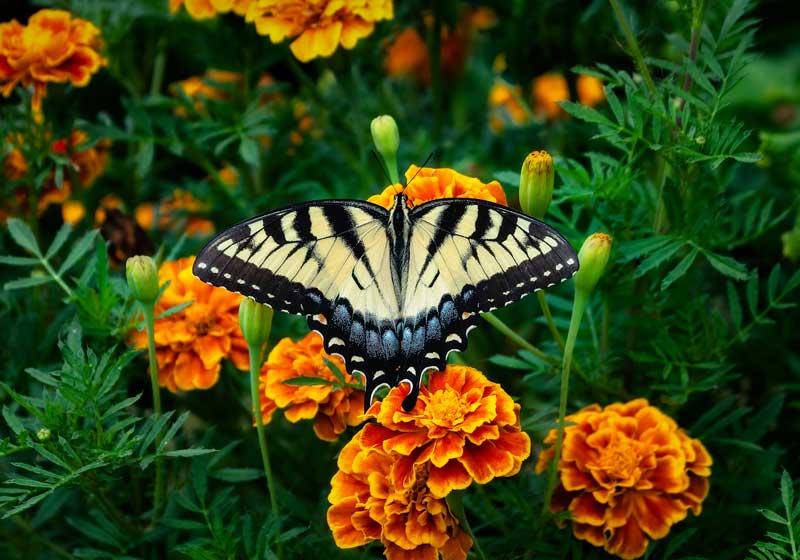
You start to notice small things: how marigolds glow at the edges of a bed like cheerful sentries, how dill invites lacewings and hoverflies that patrol for pests, how a patch of flowers softens the whole vegetable garden into something that feels like home.
Planting with purpose is planting with trust. It’s choosing neighbours for your crops, yes - but also choosing a relationship with the land that values interplay over control. When you walk through a companion-planted garden, there’s a sense of conversation in the air.
Leaves overlapping in shade, roots weaving beneath, insects arriving not as enemies but as part of a larger balance. You’ve made a place where care multiplies, where each plant lends a hand to the next.
In the end, companion gardening is a reminder: nothing grows alone. Not in the garden, not in us. When you design for partnership, you don’t just get healthier harvests - you get a garden that feels alive with meaning. A garden that teaches you, quietly and steadily, how to live alongside others with grace.