As Summer begins in Australia, glossy purple eggplants reach their peak, thriving under the warmth of the early season sun. With their silky texture and subtle, earthy flavour, eggplants bring richness and versatility to the kitchen - starring in everything from smoky grills to hearty stews and fresh Mediterranean-inspired dishes.
Learning how to choose, store and cook eggplant ensures you get the most from this elegant, nutrient-rich vegetable.
When selecting eggplant, look for smooth, shiny skin with vibrant colour - whether deep purple, pale lavender, striped or white. The fruit should feel firm yet slightly springy when pressed, with no soft spots or blemishes. A bright green stem is a good sign of freshness.
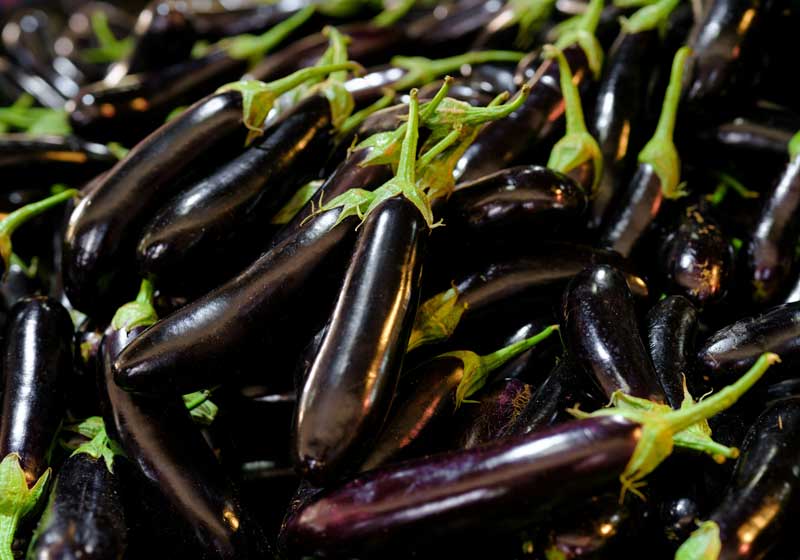
Smaller eggplants tend to have thinner skin and fewer seeds, giving them a sweeter, more delicate flavour. Larger varieties are perfect for grilling, roasting or layering in bakes and curries.
Storing for Freshness
Eggplant is sensitive to both cold and heat, so proper storage is key. Keep it in a cool, dry spot or the crisper drawer of your fridge, ideally wrapped loosely in paper or stored in a perforated bag to allow airflow. Avoid sealing it in plastic, which traps moisture and encourages spoilage.
Use eggplant within three to five days of purchase for the best texture and taste. If it begins to soften or dull in colour, it’s past its prime.
Preparing and Preserving
Before cooking, eggplant can benefit from a light salting - sprinkle slices or cubes with salt and let them sit for 20-30 minutes. This draws out excess moisture and softens any bitterness, ensuring a velvety texture once cooked.
Eggplant also freezes well when cooked. Roast or grill slices until tender, cool completely, then pack into airtight containers or freezer bags for easy use in pasta dishes, curries or dips year-round.
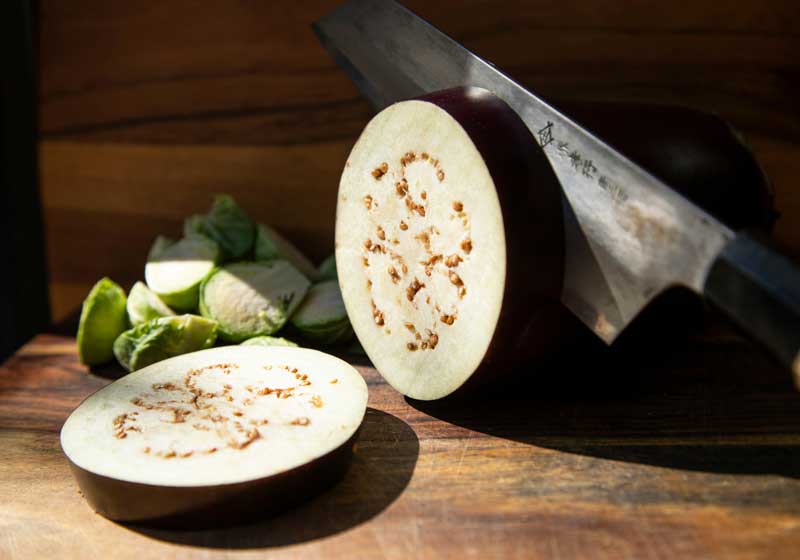
Health Benefits Worth Noting
Eggplant is a nutritional gem, offering dietary fibre, potassium and antioxidants like nasunin - the pigment that gives its skin that rich purple hue. These compounds support heart health and protect cells from oxidative stress.
Low in calories but high in flavour, eggplant is a wonderful ingredient for plant-forward cooking, soaking up sauces and spices beautifully while adding satisfying depth to any meal.
Here are three recipes to put fresh and in-season eggplant on the table this week:
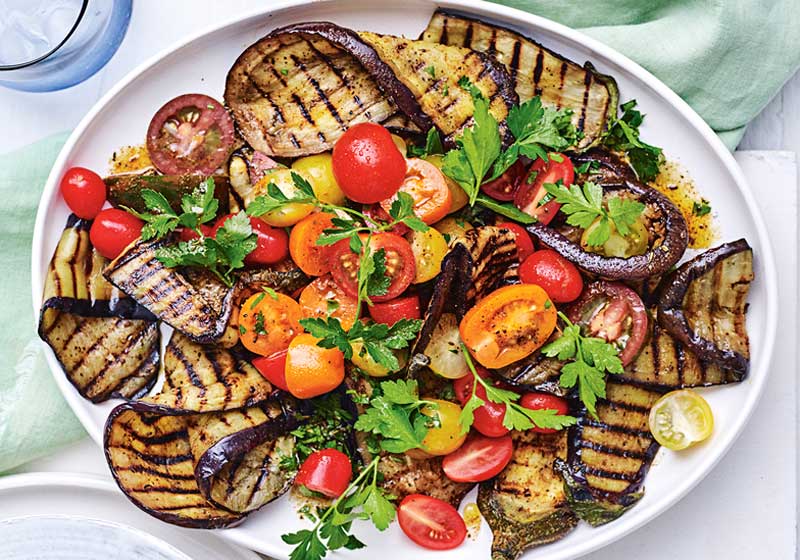
Grilled eggplant and tomato make a perfect salad pairing - smoky, tender eggplant meets the bright acidity and juiciness of ripe tomatoes. The contrast of flavours and textures creates balance, while olive oil, herbs and a touch of salt bring out their natural sweetness, warmth and Mediterranean-style harmony.
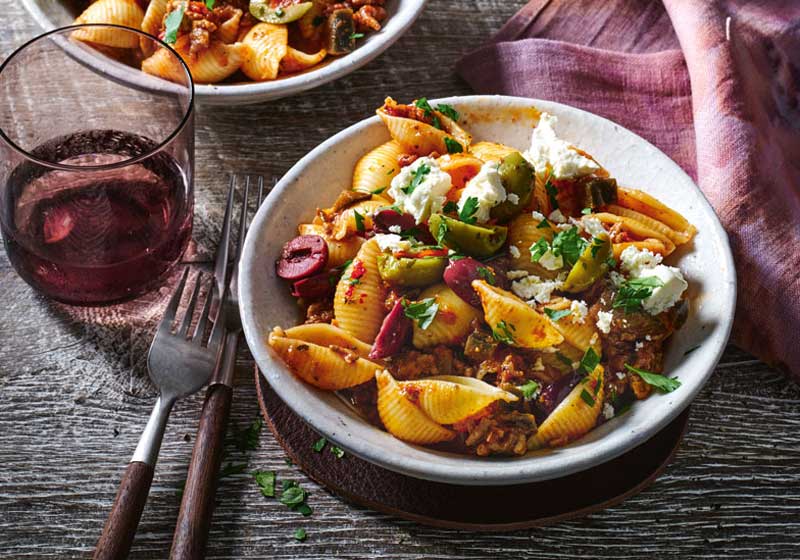
Greek-style lamb and eggplant pasta is a rich, comforting combination where tender, spiced lamb meets the silky texture and subtle sweetness of roasted eggplant. The flavours meld beautifully with tomato, garlic and herbs, creating a hearty, aromatic dish that balances depth and freshness - a true taste of Mediterranean warmth.
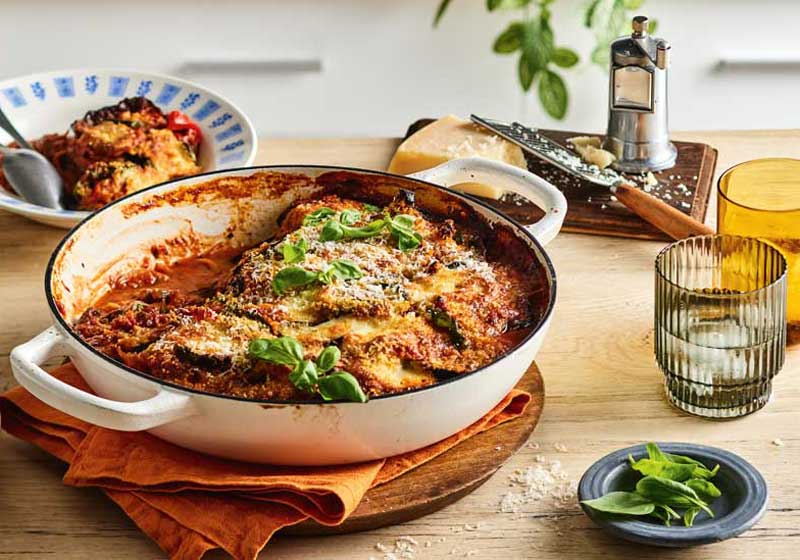
Eggplant makes a great parmigiana because its tender, creamy flesh soaks up rich tomato sauce and melted cheese, creating layers of comfort and depth. When baked, the eggplant’s subtle smokiness and golden edges balance the tang of tomato and the savoury richness of Parmesan - a perfect, hearty Italian classic.