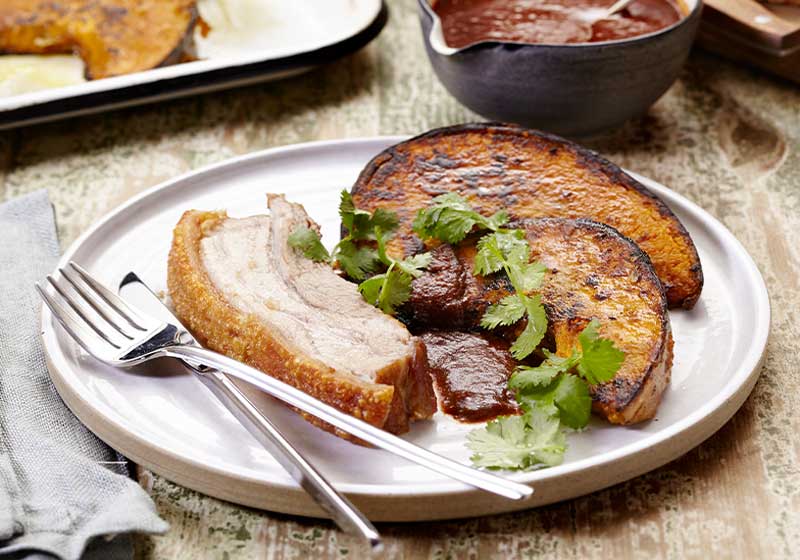
The first lesson in many Asian kitchens isn’t a recipe but a sensation: pork belly meeting heat, fat turning liquid and fragrant, the pan answering with a soft, satisfied sizzle. The air thickens with soy and caramel, with garlic bruised under the blade, with the kind of hunger that feels inherited. Long before nutrition became a modern religion, cooks across Asia understood something elemental: fat carries flavour home.
Across the continent, richness is not treated with suspicion. It is treated as an essential force. Think of Shanghai pork belly, lacquered and trembling, half meat and half silk. Bangkok curries that shimmer with coconut cream, glossy as wet paint, perfumed with lemongrass and galangal.
Manila’s chicken skin, crisped until it shatters like thin ice and tastes impossibly alive. Hanoi beef tendon, slow-braised into gelatinous luxury, proof that time is its own seasoning. These are not guilty pleasures. They are pleasures, full stop - fat not as a defect to be trimmed away, but as the heartbeat of the dish.
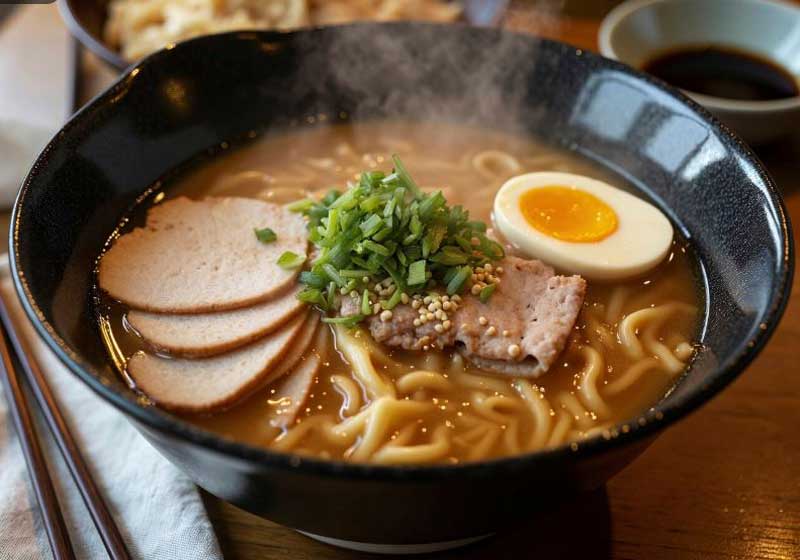
Fat in Asian cuisines is texture as much as taste. It is the soft gravity that pulls flavours into coherence. It makes soup feel like a quilt rather than a cup of hot water. It gives stir-fries their velvet swagger. It is why tonkotsu ramen tastes like comfort condensed into broth, why satay sauce clings to the tongue - nutty, smoky, sweet - refusing to be rushed. Richness here is not excess. It is architecture.
There is also practicality woven into the celebration. In many Asian food traditions, fat was never wasted because nothing could be wasted. Skin, cartilage, marrow, offal - these were not afterthoughts but masterclasses in thrift and respect.
To eat the whole animal is to honour the animal. To render, braise, roast, crisp and stew every part is to say: this life mattered enough to be fully used. Western diet culture often frames fat as something to be negotiated, compensated for, morally managed. Asian kitchens tend to frame it as something to be understood and used with intelligence.
Understanding fat means knowing its many faces. There is the clean, sweet depth of duck fat under roasted rice. The lushness of ghee as it blooms spices into perfume. The smoky, tender kiss of lard in a flaky scallion pancake. The quiet richness of sesame paste folded into noodles.
Every fat has a personality, a timbre; a good cook listens for it. Fat is not added blindly, but chosen the way a musician chooses a key - because the right richness doesn’t drown a dish, it makes it sing.
Which is why the modern fear of fat can feel alien, even absurd, when viewed from this lens. Somewhere along the way, Western wellness turned food into a courtroom. Butter became a suspect. Skinless chicken breast was crowned the saint.
People learned to eat with a voice in their head whispering "shouldn’t,” "bad,” "cheat,” "earn it later.” Many Asian cultures have long offered another way to live at the table.
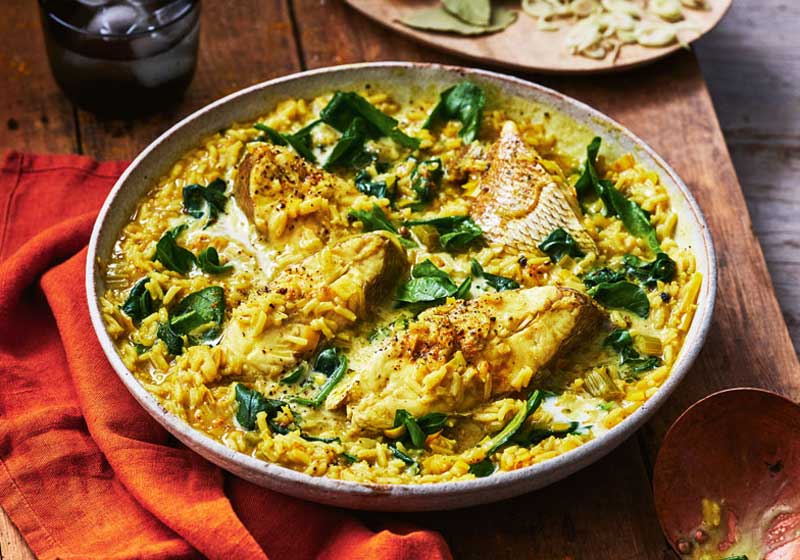
In that worldview, richness is not sinful; it is celebratory. It is how care is shown. A curry is simmered with coconut cream because someone is meant to feel held. A glossy slab of braised pork is tucked into rice because a day is meant to soften around it. A noodle soup is served with a sheen of rendered fat because nourishment is not only nutrition - it is sensation, memory, warmth and joy.
This is the quiet rebellion: choosing pleasure without apology. Refusing the idea that flavour must be earned through restraint or suffering. Trusting that food can be indulgent and everyday at once. Fat, in this sense, is not the enemy of health; fear is. When richness is treated as a natural part of eating - not a moral failing - it becomes easier to recognise hunger, satisfaction and balance without shame.
Asian cuisines continue to render, braise, crisp and gloss their way through history. Pork belly keeps wobbling like laughter. Coconut cream keeps pooling at the edges of curries, unapologetically fragrant. Chicken skin keeps crackling, golden and defiant. In these kitchens, fat is not a flaw to be erased. It is flavour. It is craft. It is love, made visible.