By Leigh O’Connor.
Dinner at nine used to sound indulgent, even faintly rebellious in Australia - like something reserved for holidays, jet lag, or a night that got away from you. We’re the country of early birds and brighter-than-bright mornings, of cafés that hum from dawn and kitchens that wind down before the news.
Yet somewhere in the last few years, the idea of a late meal has shifted. Not just tolerated, but desired. Dinner at nine is no longer a scheduling accident. It’s becoming a choice. A luxury. A quiet statement that time is yours again.
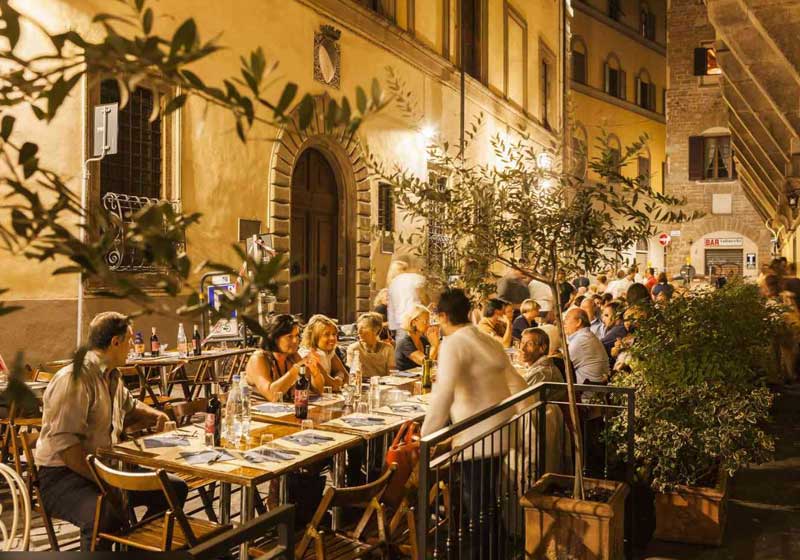
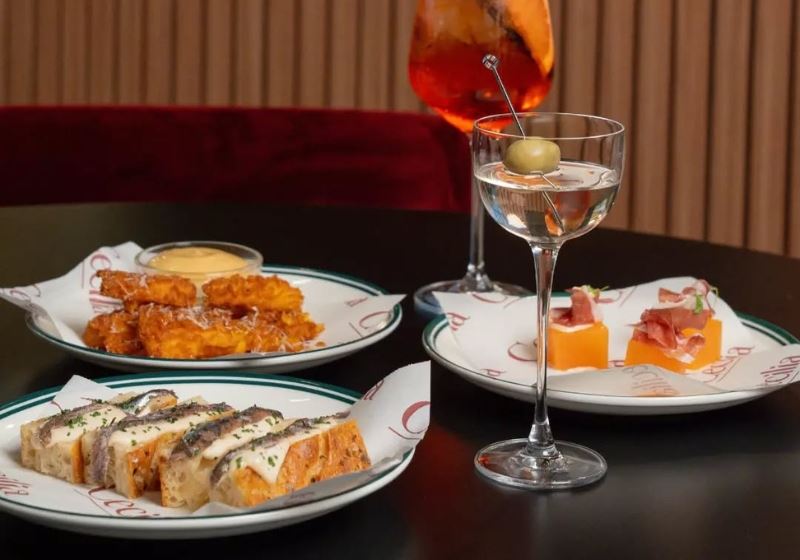
In Europe, late dining isn’t a trend so much as a rhythm. The day stretches and breathes. At four there are long drinks - Spritzes catching the light, Vermouth over ice, something bitter and cold enough to make you blink in pleasure. It’s the hour of exhale.
The workday loosens its grip, the streets begin to slow and the body remembers it has an appetite for more than efficiency. You sit outside, even if the sky looks undecided. You talk. You people-watch. The drink is unhurried, the conversation less about plans and more about presence.
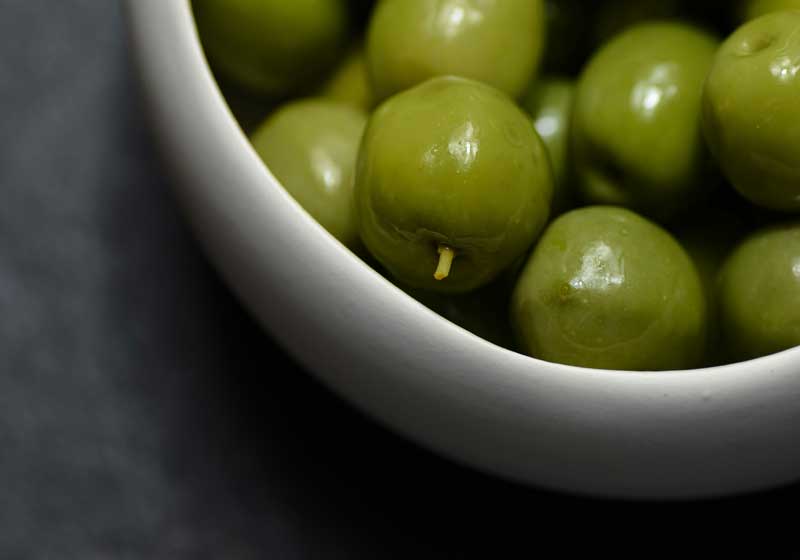
At six, there are nibbles. The magic here is their smallness: olives that taste of sun and salt, a sliver of anchovy, paper-thin jamón, a warm croquette that leaves a whisper of smoke on your tongue. Nothing too filling, nothing that insists on being the main event. These are little cues to your senses that the evening is on its way, that you’re not rushing towards a finish line but strolling into something softer. The world is still warm. The sidewalks are alive. You’re not closing the day - you’re opening it.
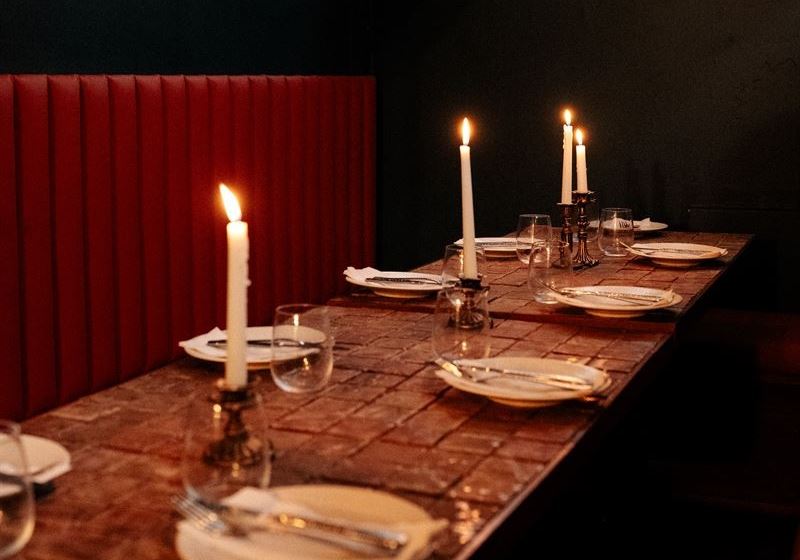
Then dinner arrives when the air cools. Not because a clock demands it, but because the evening earns it. Tables fill as the light bends toward gold and then blue. Shirts loosen, laughter rises and the meal becomes what it was always meant to be: the centre of a night, not a chore tacked onto the end of one.
There’s a deep comfort in eating late - the way flavours feel brighter when you’ve waited for them, the way hunger sharpens your attention. Food tastes like a reward, yes, but it also tastes like care. Like living for something other than tomorrow’s alarm.
The Australian drift toward later dining isn’t about copying Europe so much as reclaiming our own evenings. After years of hurry - commuting, emails, kids’ bedtime gymnastics, the constant tug of being ‘on time’ for everything - a late dinner feels like a small rebellion against the day’s tyranny.
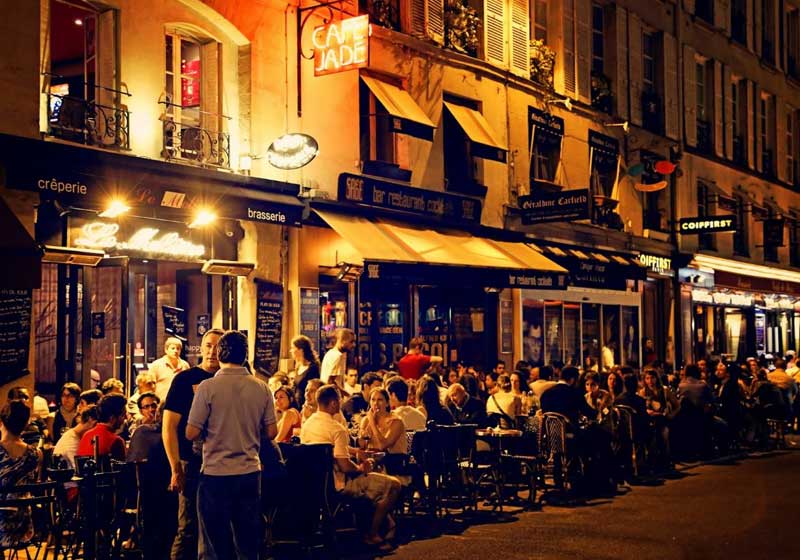
It allows room for a pre-dinner drink that isn’t gulped standing at the kitchen bench. It gives people an excuse to stroll, to linger, to let the heat fall out of the sky before they sit down to eat. It makes the night feel like it belongs to adults again.
It also changes the texture of a meal. When dinner is late, it stops being fuel and starts being occasion. You dress a little differently. You order the extra plate, because why not. You don’t eye the clock midway through dessert. There’s a kind of romance in the delay - a sense that pleasure isn’t something to squeeze in, but something to stretch out.

Dinner at nine is the ultimate luxury because it’s not really about the hour. It’s about refusing to rush what matters. It’s about letting the day unfold in stages - drink, nibble, feast - instead of collapsing into one tired act at six-thirty.
It’s about warmth lingering on pavements, glasses clinking slowly and meals that begin when the world feels its most alive. Late dinners are a way of saying: I want the evening. All of it and I’m willing to wait for the best part.