Acid is the firework you don’t see coming. Not the slow warmth of chilli or the deep lull of smoke, but the sudden, bright crack that makes your mouth sit up straight. In Asian kitchens, sharp flavours don’t just keep the peace - they start the party.
They slice through richness, wake up sleepy ingredients and tug a dish toward something more alive. Sourness is a verb here, not a supporting character. It bites, sings and insists on being noticed.
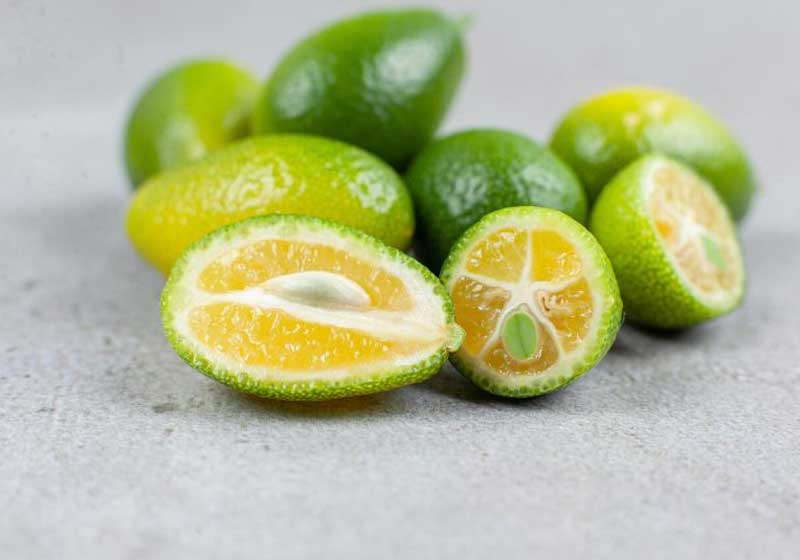
Think of calamansi first: small, green-gold and deceptively gentle-looking, like a citrus that learned manners and then forgot them. One squeeze and the room changes. Its tang is floral, almost perfumed, but with a quick, clean shock that makes grilled fish feel freshly pulled from the sea. Calamansi doesn’t ask permission; it declares a new centre of gravity. It makes soy taste deeper, meat taste lighter and anything fried suddenly feel like it belongs under the noon sun.
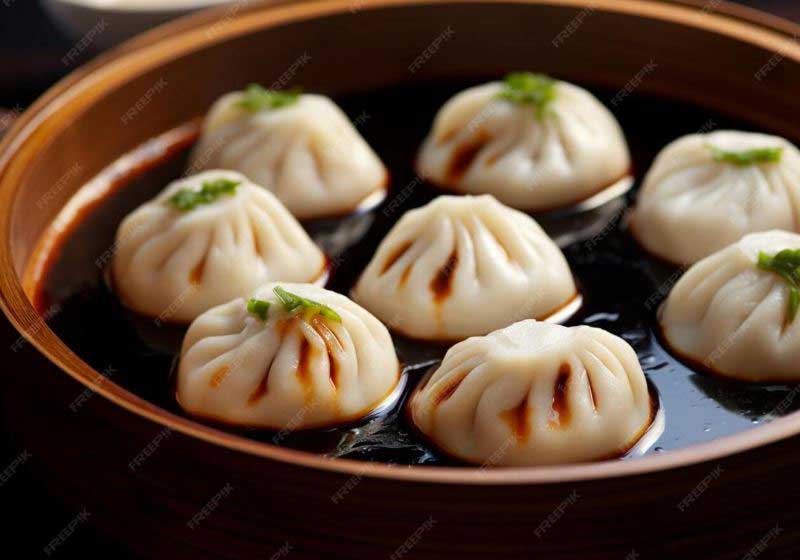
Vinegar plays a different trick. It’s older, smarter, with a slow-building edge that can be soft as rice wine or dark as cane. Across Asia, vinegar isn’t only about contrast - it’s about creating appetite. A splash in a Filipino adobo doesn’t just cut the fat; it threads everything together with a sour-dark bassline that keeps you reaching for another bite. In Chinese black vinegar, there’s a raisiny warmth under the tang, the kind that nestles into dumplings and makes them feel endlessly snackable. It’s sourness with memory in it.
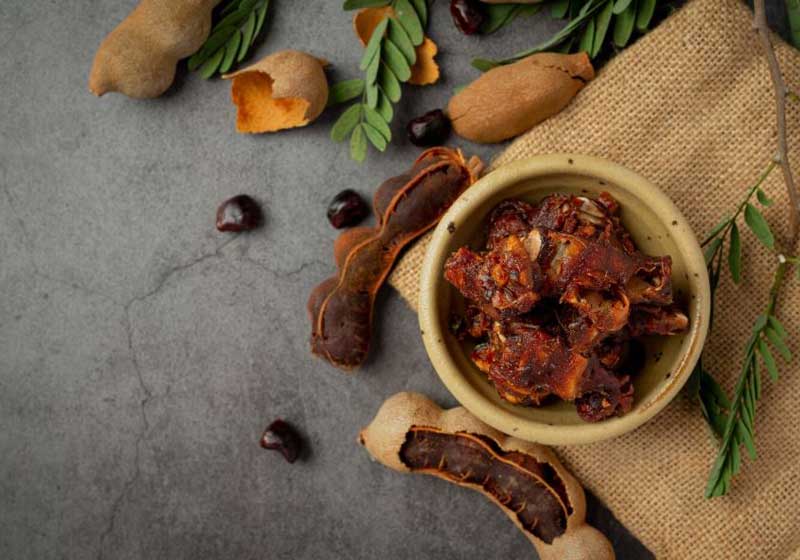
Then there’s tamarind, the velvet glove with a knife inside. Its acidity is mellow and browned, like fruit that’s travelled far and come back wiser. You taste it in Thai soups where heat and sourness chase each other in tight circles; in Indian dahls where tamarind adds a low, thrilling tartness that makes lentils feel lush, not heavy; in Malaysian assam laksa, where the broth is a sour river you want to wade into, again and again. Tamarind doesn’t just brighten - it deepens, making sourness taste like something you can fall into.
Yuzu arrives like a cold breeze through an open window - citrus, yes, but also piney, almost electric. It’s the kind of acid that feels three-dimensional, lifting a hot-pot dipping sauce or a simple ponzu into the realm of "why can’t I stop tasting this?” Lime leaves - sharp, aromatic, slightly bitter at the edges - don’t even need juice. Their oil alone flicks a dish awake. Tear one into a curry or bruise it into a salad and it perfumes the air before it hits the tongue, a green, zesty promise.
What’s striking is how these acids are used not just for balance, but for punch. They are weaponised freshness. They don’t politely correct a dish - they define it. The sour note in Vietnamese canh chua or Thai som tam isn’t a tidy counterpoint; it’s the main groove, the thing that makes sweet and salty and spicy feel like they’re dancing instead of arguing.
In Summer, sourness becomes a kind of heat-proof joy. When the air feels thick and your appetite goes soft around the edges, acid pulls it back into focus. It makes cold noodles feel crisp, grilled meat feel nimble and herbs taste more like themselves.
Sour foods are thirst-quenching without being drinks. They keep you light on your feet. They invite you to eat outside, to sweat a little, to keep going. In the glare of a hot day, sharp flavours feel like shade and sparkle at once - food that doesn’t sit on you, but moves through you, bright as a clear bell.