Connor Bishop

Anvers Wines
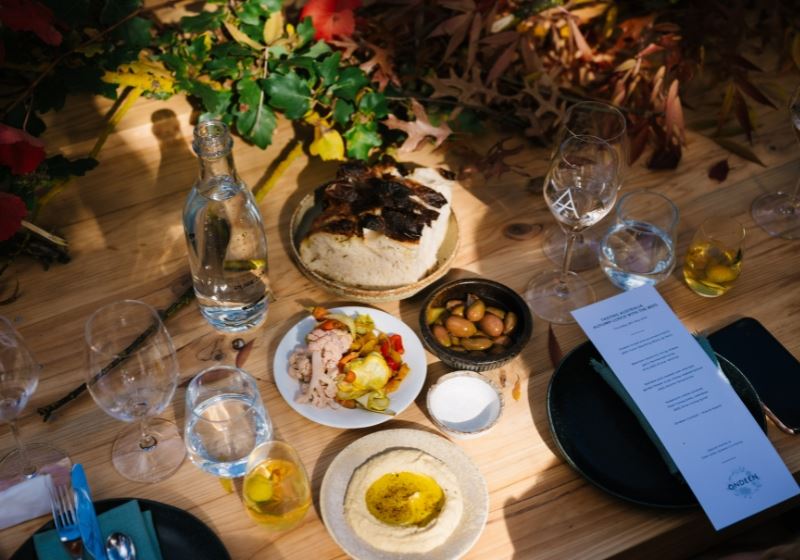
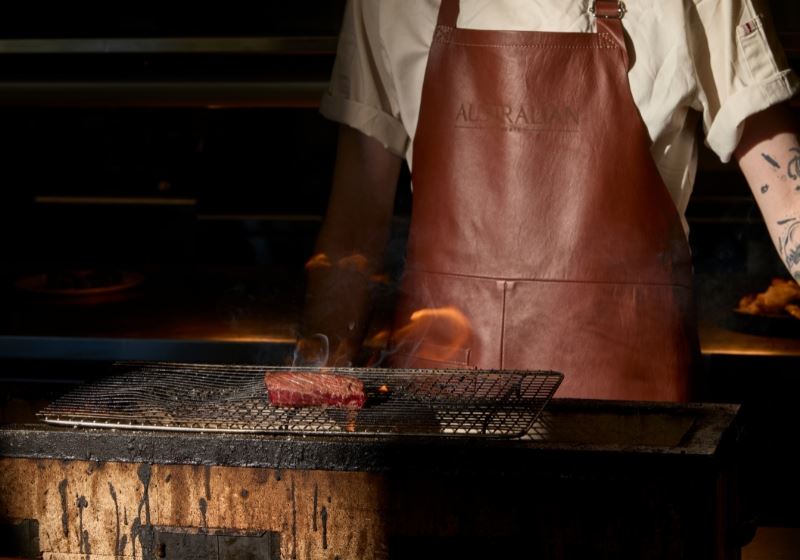
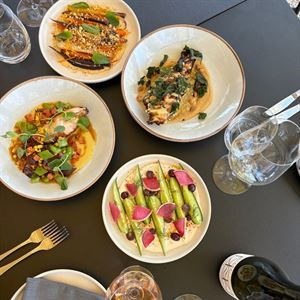
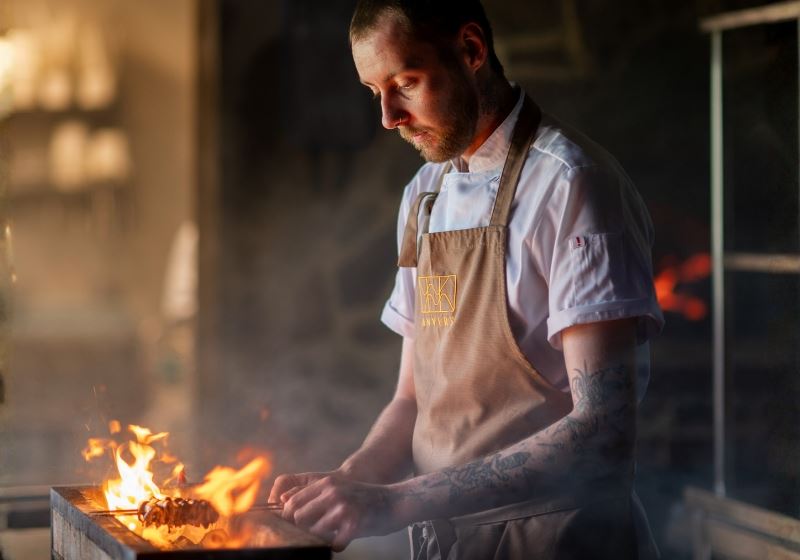
Founded by Wayne and Myriam Keoghan in 1998, Anvers Wines on Razorback Road in Kangarilla has offered visitors an opportunity to enjoy the best of the Adelaide Hills region. Named for the Belgian meeting place of the owners, Anvers is proudly Adelaide Hills-centric with a commitment to growing first-class local grape varieties. Alongside award-winning wines, Anvers offers guests a sophisticated regional dining experience driven by local produce. Pivotal to this holistic sensory experience is Executive Chef Connor Bishop, whose vision, technique and philosophy bring together Anvers' food and wine offering with honesty and intention. Rooted in Modern Australian cuisine and inspired by the Adelaide Hills, each dish is thoughtfully prepared to celebrate bold flavours and creative techniques.
More From Connor Bishop & Anvers Wines
ARTICLES
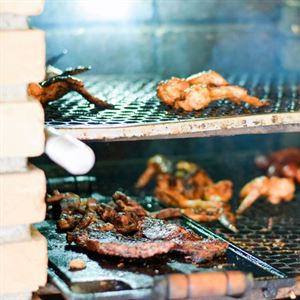
The Chef Rewriting South Australia’s Elevated Dining Playbook - One Ox Tongue at a Time
Fresh off a historic debut, Executive Chef Connor Bishop is redefining regional South Australian dining with intent-driven, sustainable cooking. From tallow brioche to hibachi-grilled ox tongue, this ...
ARTICLES
Australia’s Most Romantic Valentine’s Day Dinners You’ll Regret Missing
Discover the best Valentine’s Day restaurant experiences across Australia in 2026. From romantic degustations to live music and Champagne on arrival, these dining spots are perfect for an unforgettabl...
ARTICLES
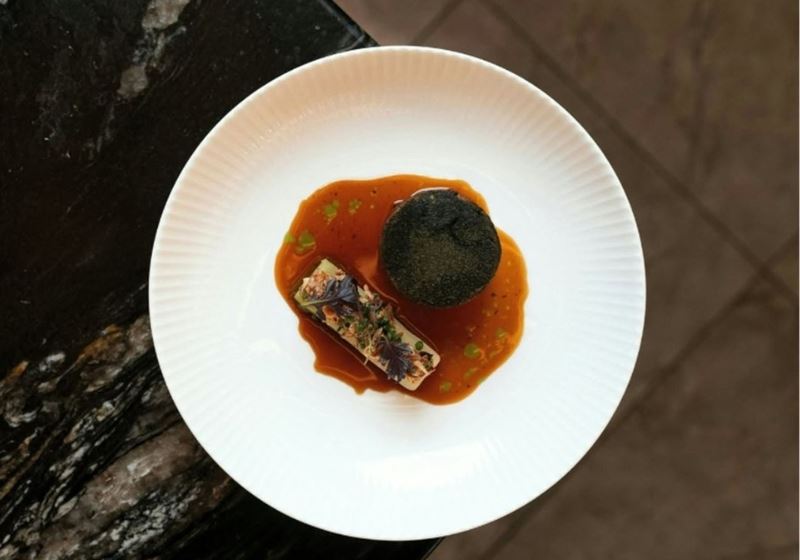
Inside This Year’s Chef Hat Awards Shifts, Debuts & Dining Evolution
Explore the biggest jumps, standout debuts, and evolving trends from this year’s Chef Hat Awards, as Australia’s dining scene reaches new heights in refinement and sustainability....
ARTICLES
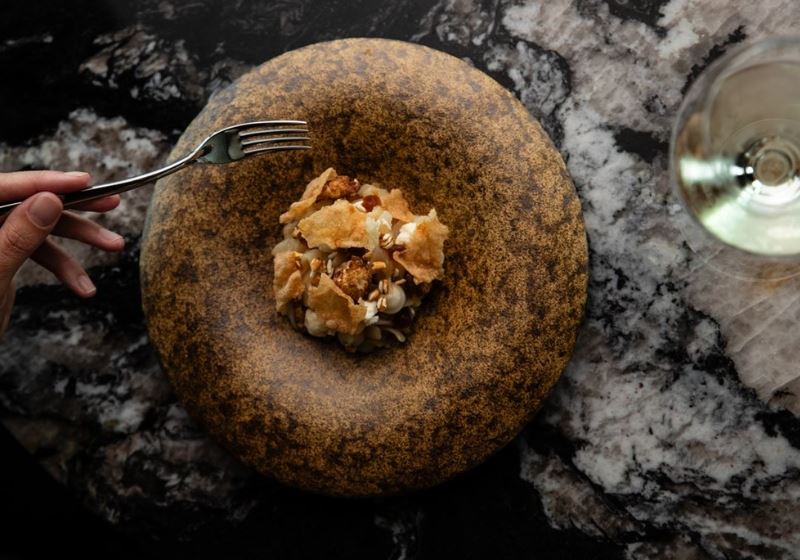
The Dining Experiences That Defined 2025
Discover Australia’s top dining experiences of 2025 — from hidden gems to destination restaurants. Featuring Chef-driven fine dining, native ingredients, Modern Australian cuisine and the venues shapi...
ARTICLES
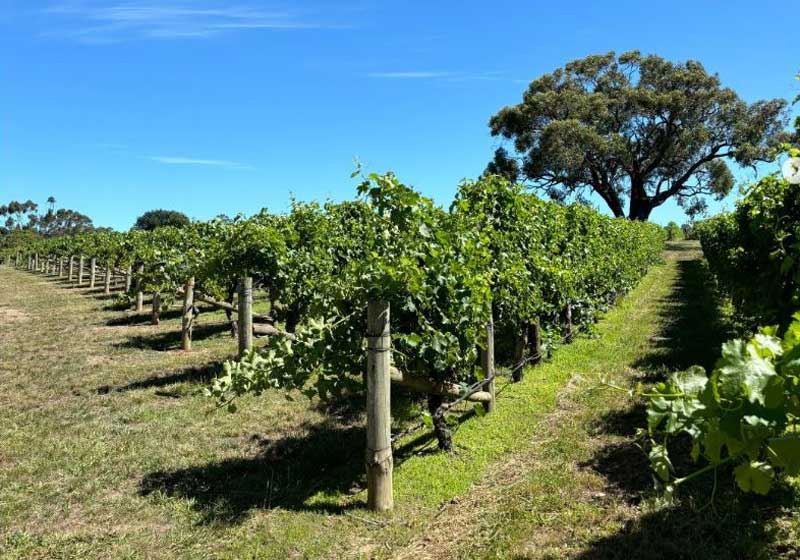
Organic Wines in Australia: Difference, Taste, Provenance & Top Producers
Discover Australia’s organic wines: how they’re grown without synthetic chemicals, why they taste more vibrant and site-driven and which regions and producers - like Anvers Wines - are leading the way...
ARTICLES
5 Winery Restaurants Worth a Long Lunch: SA, Qld & ACT
Discover five winery restaurants across South Australia, Queensland and the ACT - Anvers, Reillys, Mt Lofty Ranges, The Overflow Estate 1895 and Pialligo Estate - serving seasonal local menus with sta...
ARTICLES
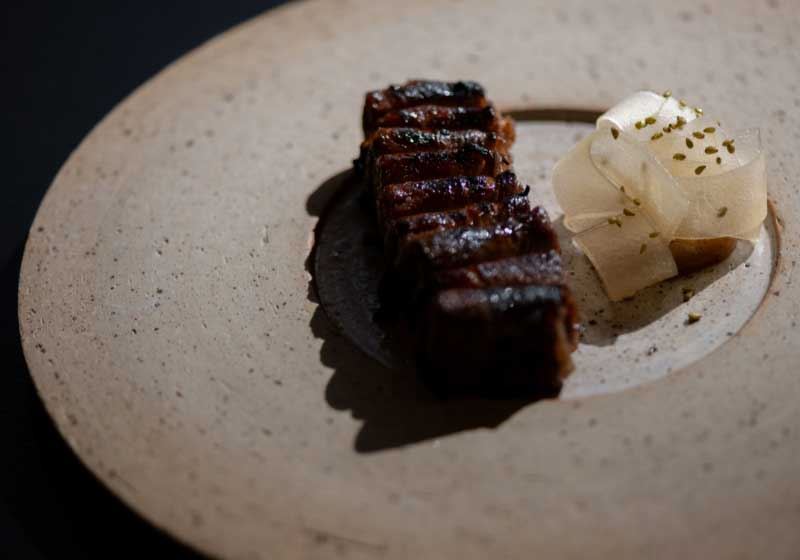
Chef Connor Bishop: Harvesting the Adelaide Hills Through Plate and Palate
Discover Chef Connor Bishop’s culinary artistry at Anvers Wines in Kangarilla, SA - where local produce, seasonal inspiration and elegant wine pairings create a soulful dining experience in the heart ...
ARTICLES
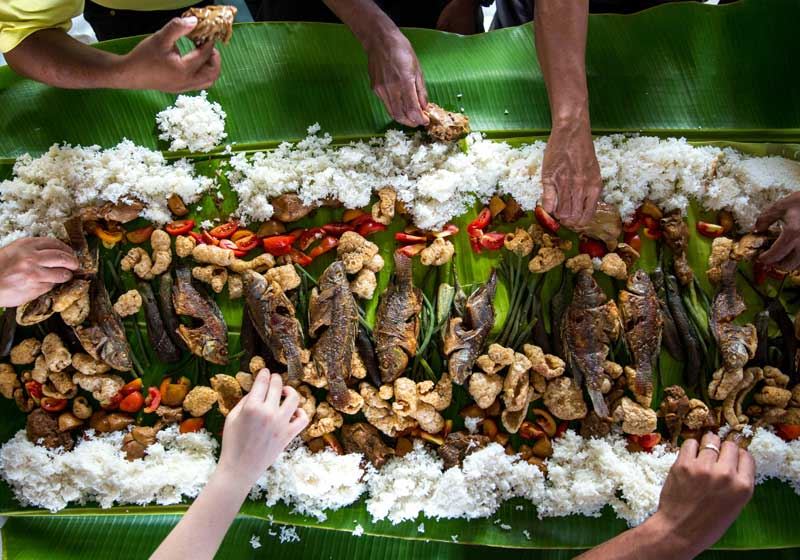
A Taste of the Antipodes
Embark on a culinary journey across New Zealand, Australia and the Pacific Islands. Discover flavours, cultures and the inspiring stories of top Chefs shaping the Antipodean food scene in 2026....
ARTICLES
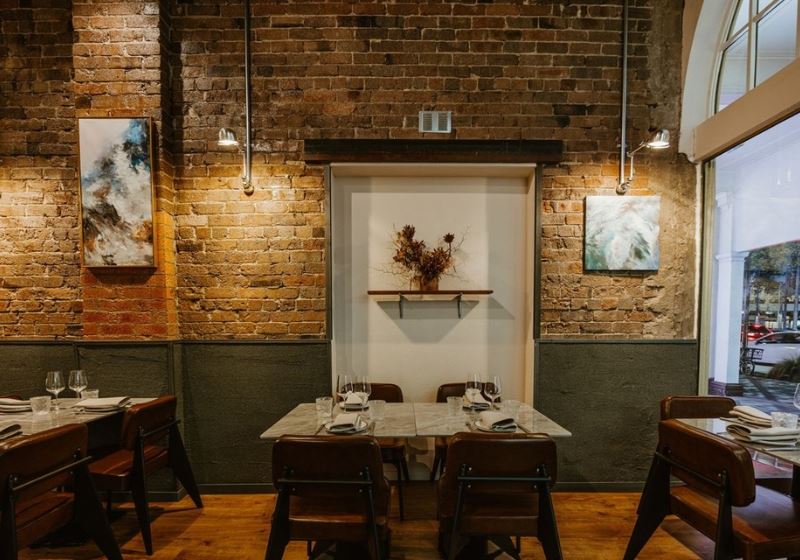
Rediscovering Heritage Venues: A Culinary Journey Through Time
Explore Australia's rich food culture by visiting heritage venues that blend history and culinary excellence. Discover standout dishes and immersive dining experiences....
ARTICLES
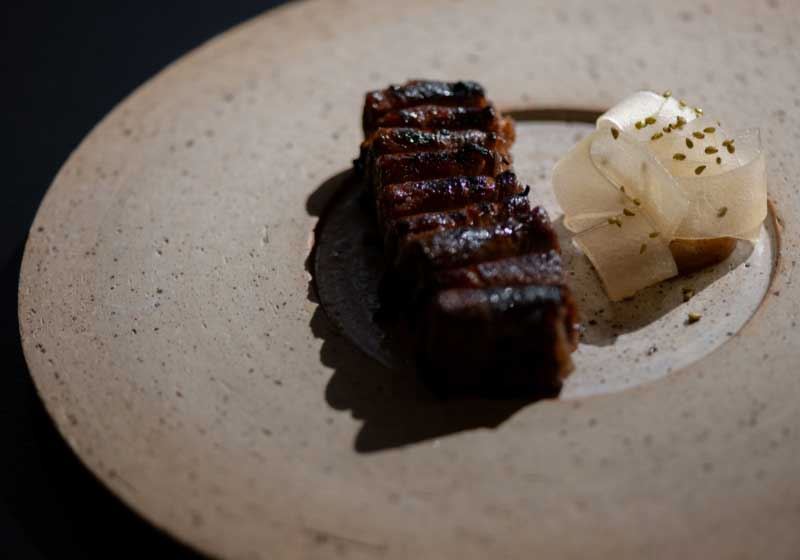
A Taste of Place: Executive Chef Connor Bishop’s Vision at Anvers Wines
There’s a quiet hum of anticipation at Anvers Wines. The vineyard, draped in the rolling beauty of the Adelaide Hills, is entering a new culinary chapter with the arrival of Executive Chef Connor Bish...
More Chefs
Latest Articles